Contents:
- What Is Laser Hair Removal and Why Does It Cost What It Does?
- How Much Is Laser Hair Removal in the UK? Price Breakdown by Body Area
- Small Areas (Upper Lip, Chin, Underarms)
- Medium Areas (Bikini Line, Full Face, Hands and Feet)
- Large Areas (Full Legs, Back, Chest, Arms)
- Full Body Packages
- Regional Price Variations Across the UK
- What the Pros Know: Hidden Factors That Affect Price
- Seasonal and Timing Considerations
- Package Deals and Course Pricing
- Costs Beyond the Laser Session
- How to Find the Best Value for Money
- Research Clinic Credentials
- Ask About Technology and Specs
- Get a Patch Test and Consultation
- Compare Total Course Costs, Not Per-Session Costs
- Read Recent Reviews
- Common Cost Questions Answered
- FAQ: Your Laser Hair Removal Cost Questions Answered
- How many sessions do I actually need?
- Can I get a refund if results are poor?
- Are there financing options?
- Will my insurance cover laser hair removal?
- Is there a best time of year to start?
- Making Your Decision: Is Laser Hair Removal Worth the Cost?
You’re standing in front of the mirror, running your hand along your skin, and thinking: there has to be a better way than constantly shaving, waxing, or plucking. Laser hair removal keeps cropping up in conversations, on social media, and in salon recommendations. But the question that stops you cold is simple—how much does it actually cost?
The short answer? Laser hair removal in the UK typically ranges from £100 to £400+ per session, depending on the area being treated, the clinic’s location, and the technology used. But that’s only part of the picture. You’ll need multiple sessions to see lasting results, which means understanding the full financial commitment before booking that first appointment.
This guide walks you through every cost factor, compares different body areas, shows you what clinics charge in major cities, and helps you spot genuine value instead of just the cheapest option. By the end, you’ll know exactly what to budget for and how to make a confident decision.
What Is Laser Hair Removal and Why Does It Cost What It Does?
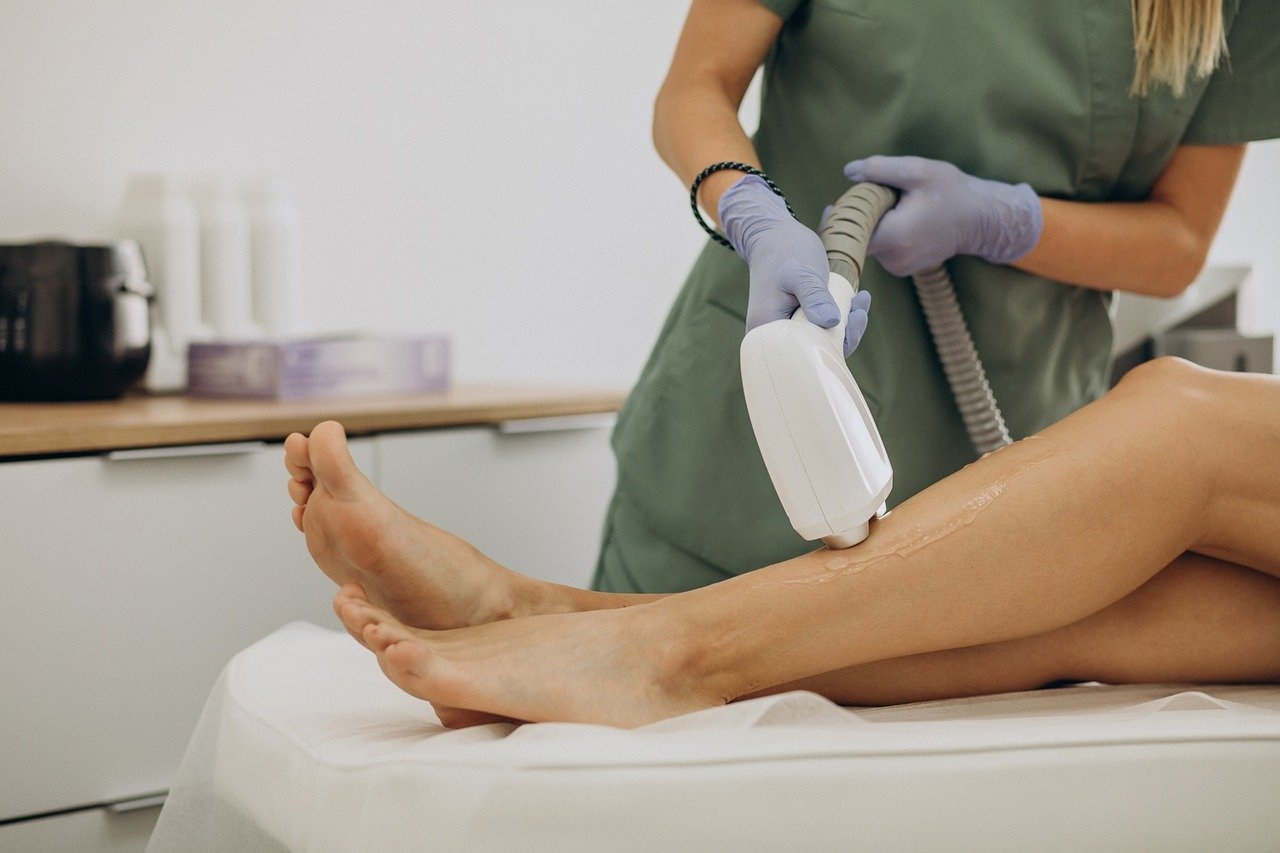
Laser hair removal works by directing concentrated light energy at hair follicles beneath the skin’s surface. The heat damages the follicle so it stops producing hair. Unlike razors or wax, which remove hair temporarily, laser treatment destroys the root—permanently.
Why isn’t this a one-time £50 treatment? Several reasons. First, clinics invest in expensive equipment. Modern laser machines cost £40,000 to £100,000+. That investment gets passed on to you through treatment costs. Second, trained technicians operate these machines. Laser work requires certification and skill—you’re paying for expertise, not just a buzzing device. Third, results aren’t instant. You’ll need 6 to 8 sessions on average, spaced 4 to 6 weeks apart, because hair grows in cycles and the laser only targets hair in the active growth phase.
Think of it like this: a single session is like mowing a lawn once. That hair will grow back. But with multiple sessions spread across months, you’re gradually destroying the follicles’ ability to produce hair altogether. That requires time, technology, and trained professionals.
How Much Is Laser Hair Removal in the UK? Price Breakdown by Body Area
The biggest cost variable is what you’re having treated. A tiny upper lip area costs far less than full leg coverage.
Small Areas (Upper Lip, Chin, Underarms)
These tight, defined zones are the most affordable. Expect to pay £60 to £150 per session. Many clinics package these as “single session” treatments rather than full course pricing. If you book a course of 6-8 sessions upfront, you might pay £300 to £600 total for underarms, for example. A woman in Manchester reported paying £45 per underarm session when booked as part of a course, bringing a 6-session plan to £270.
Medium Areas (Bikini Line, Full Face, Hands and Feet)
These medium zones sit between £100 and £250 per session. A full facial treatment (cheeks, chin, upper lip, sideburns) typically runs £150 to £200 per session. Bikini line treatments—extended bikini or Brazilian—fall into the £120 to £200 range per session. Most clients book a course of 6-8 sessions, bringing the total for a full face to roughly £900 to £1,600.
Large Areas (Full Legs, Back, Chest, Arms)
These command the highest per-session rates: £250 to £400+. Full leg treatment (from hip to ankle) runs £280 to £380 per session. Treating both legs with a 6-8 session course could cost £1,680 to £3,040. A large back treatment sits at £200 to £350 per session. Chest and stomach combined typically cost £150 to £300 per session.
Full Body Packages
Some clinics offer full body courses at a discount. Rather than adding up individual areas, a full body package—face, underarms, legs, bikini, arms, back, and chest—might cost £3,500 to £6,000 for a complete 6-8 session course. That works out cheaper than booking each area separately.
Regional Price Variations Across the UK
Where you live affects what you’ll pay. London clinics charge significantly more than provincial cities.
London: Premium clinics in central London and upscale areas charge at the higher end—£300 to £450+ for large area single sessions. Even small areas run £100 to £150 per session.
Manchester, Birmingham, Leeds: Mid-range cities typically charge 15-25% less than London. A full leg session might be £250 to £320, and a small area like upper lip runs £50 to £100 per session.
Smaller Towns and Rural Areas: Prices drop further. A full leg session might be £200 to £280, and underarms could be as low as £40 to £70 per session. However, fewer clinics means fewer options for technology and expertise.
A reader from Bristol shared her experience: she paid £130 per full leg session at a local independent clinic versus £280 quoted at a Mayfair clinic for the identical leg area. Both offered the same laser technology—the difference was location and clinic overhead.
What the Pros Know: Hidden Factors That Affect Price
Technology Type Matters: Nd:YAG lasers, alexandrite lasers, and diode lasers all work differently. Newer technology (like multi-wavelength systems launched in 2025-2026) offers faster treatment and suits more skin types. Clinics investing in cutting-edge equipment charge more per session—sometimes 20-30% more—but often require fewer sessions. That can reduce your total cost even at higher per-session rates.
Skin Tone and Hair Colour Affect Pricing: Some clinics charge more for darker skin tones because they require different settings and more time to treat safely. This practice is controversial, but it’s real. Ask about this upfront. Similarly, very light or grey hair is harder to treat and may require more sessions or a specific laser type, driving costs up.
Speed Equals Value: A clinic using a high-powered laser with a large treatment head can cover a full leg in 15 minutes. A clinic with older equipment might take 45 minutes for the same area. The faster clinic’s per-session cost might be £50 higher, but you’re paying for efficiency and results. Fewer sessions needed means less total spend.
Seasonal and Timing Considerations
Booking season affects pricing and package deals. Most clinics run promotions in January (New Year’s resolutions) and summer months (June-July). Spring is typically quieter, and you might find better rates or bundle deals in March and April.
Consider your own schedule: if you’re starting in December 2026, you’ll finish your course in summer 2027—perfect timing for hair-free beach holidays. But if you book in July 2026, your final sessions fall in late autumn/early winter when you need the results less. Some clients book strategically around these timings.
One year-round tip: if you’re planning multiple body areas, space them strategically. Starting underarm and bikini treatments in January, then adding legs in March, spreads your spend across months rather than one lump sum.
Package Deals and Course Pricing
Most clinics offer course pricing that’s significantly cheaper than paying per session. The discounts are substantial.
- 6-Session Course: Typically 15-25% discount vs. single sessions
- 8-Session Course: Usually 20-35% discount vs. single sessions
- Unlimited Courses: Some clinics offer 1-year or 2-year unlimited sessions for a fixed price (£1,200 to £3,000). This appeals to people with particularly stubborn hair
A full leg treatment at £300 per session drops to £225-£255 per session when you book a 6-session course. That’s a saving of £450 to £750 on the full course.
Never book a single session expecting to come back for one-off touch-ups. You won’t get results that way, and you’ll spend far more per treatment. Commit to a course from the start. Most clinics won’t even offer single sessions anymore—they push packages because it’s standard practice and actually better value for the client.
Costs Beyond the Laser Session
The consultation is usually free. But watch for other costs:
- Aftercare Products: Clinics often sell soothing creams, aloe vera gels, or SPF products. These run £15 to £40. You don’t have to buy from the clinic—pharmacy alternatives work fine
- Numbing Cream: If you’re sensitive, numbing cream costs £10 to £20 extra. Standard sessions don’t usually require it, but larger areas or sensitive skin might benefit
- Cancellation Fees: Missing an appointment might trigger a fee (£20 to £50). Plan your sessions in advance
- Top-Up Sessions: After your course, you might need 1-2 top-up sessions yearly. These run £80 to £250 per session depending on area size

How to Find the Best Value for Money
Lowest price doesn’t equal best value. A clinic charging £180 per leg session with newer technology might be better value than one charging £120 with older equipment—especially if you need fewer total sessions.
Research Clinic Credentials
Check that the clinic is registered with the Care Quality Commission (CQC) if in England, or equivalent regulatory bodies in Scotland, Wales, or Northern Ireland. Technicians should hold a Level 3 Diploma in Electrolysis and Photoepilation or equivalent. Don’t assume a clinic with a polished website is qualified—check credentials independently.
Ask About Technology and Specs
Don’t accept vague answers like “we use a top laser.” Ask: which machine? How many watts? What wavelength? Clinics with nothing to hide answer these questions. Machines released in 2024-2026 handle diverse skin tones and hair types better than machines from 2018-2020.
Get a Patch Test and Consultation
A reputable clinic offers a free patch test on a small area before committing to a full course. This reveals how your skin reacts and tests the technician’s approach. If a clinic refuses, walk away.
Compare Total Course Costs, Not Per-Session Costs
Clinic A: £180 per session, 6-session course, £1,080 total. Clinic B: £220 per session, 6-session course, £1,320 total. But Clinic B’s technology is newer, sessions are faster, and most clients see results in 5 sessions instead of 6. You might pay £1,320 versus £1,080 but finish faster and need fewer top-ups. Calculate the true cost-per-result, not just the course price.
Read Recent Reviews
Check Google Reviews, Trustpilot, and local Facebook groups from 2025-2026. Look for reviews mentioning results timelines, technician friendliness, and whether top-up sessions were needed. Reviews older than 18 months are less relevant—clinic standards, equipment, and staff change.
Common Cost Questions Answered
Is laser hair removal more expensive than waxing over time? Yes, upfront. But calculate 5 years ahead: waxing costs £15 to £30 per session, 6-8 times yearly = £90-£240/year = £450-£1,200 over 5 years for one area. A single leg laser course costs £1,500-£2,400, but by year 3, you rarely need touch-ups. Year 5, you’re maintaining maybe once yearly. Laser is pricier initially but cheaper long-term.
Do I need a deposit or full payment upfront? Most clinics ask for 50% upfront with the balance due before your first session. Some ask for full payment. A few offer payment plans spread across the course. Always confirm before booking.
What if I don’t finish my course? Many clinics offer unused credits for a year or 18 months after your last session. Some are strict about expiry. Read the terms—this matters if life happens and you pause treatment.
FAQ: Your Laser Hair Removal Cost Questions Answered
How many sessions do I actually need?
Most people need 6 to 8 sessions for 80-90% hair reduction. Some with darker, coarser hair need 8-10. Lighter or finer hair might need only 4-6. Hormonal factors, ethnicity, and individual variation mean results vary. Clinics should quote 6-8 as standard and adjust based on your consultation. Don’t accept promises of permanent hair removal in 3 sessions—that’s unrealistic.
Can I get a refund if results are poor?
Most clinics won’t offer refunds, but reputable ones guarantee results within their quoted session range. If you’ve completed your course and seen minimal results, ask about free top-up sessions. Some clinics offer a “satisfaction guarantee” allowing 1-2 free sessions if you’re unhappy. Ask this before booking.
Are there financing options?
Many clinics partner with Klarna, PayPal Credit, or similar services, letting you spread costs over 3-12 months interest-free. Some offer in-house plans. Check if financing adds fees. A £1,500 course split across 6 months via Klarna costs no extra; through a clinic charging interest, it could cost £100-200 more.
Will my insurance cover laser hair removal?
Rarely. Laser is cosmetic unless recommended for medical reasons (severe ingrown hairs causing infections, hidradenitis suppurativa, etc.). Your GP might refer you to NHS treatment in rare medical cases, but standard cosmetic laser isn’t covered. Check your private healthcare plan’s small print, but most exclude it.
Is there a best time of year to start?
Start 8-12 weeks before you want fully smooth skin. If you’re targeting summer 2027, begin in February or March 2027. If it’s winter and you want hair-free legs by July, start in late January. Avoid starting in autumn if your goal is summer smoothness—the timing won’t align. That said, start whenever you’re ready. A course takes 3-4 months; timing your last session for when you’ll most enjoy the results makes sense.
Making Your Decision: Is Laser Hair Removal Worth the Cost?
£1,000 to £3,000 is real money. Is it worth it?
If you’ve spent years shaving every 2-3 days, waxing monthly, or dealing with ingrown hairs, laser offers genuine relief. The convenience—not touching hair for months at a time—has real value. Skin quality improves when you stop constant waxing or shaving irritation. That matters.
If you have a smaller area (just upper lip, underarms) and a tight budget, the £300-600 course cost is manageable and highly worthwhile. If you want full body coverage and live outside major cities, a regional clinic’s pricing might be genuinely accessible.
If you’re on a strict budget and can’t commit to a full course upfront, delay starting. Don’t book one session and hope. Commit to a package when you’re financially comfortable. Spreading it across a payment plan is smarter than abandoning treatment halfway.
Get quotes from at least two clinics. Ask about their specific technology, technician qualifications, course pricing, and what “results” actually means in their experience. A 20-minute consultation call costs nothing and clarifies whether a clinic’s approach matches your expectations.
Book your patch test and consultation today. You’ll leave knowing the exact cost for your body area, the clinic’s specific approach, and whether their vibe matches yours. Most importantly, you’ll stop wondering “how much?” and have a concrete path forward.