Contents:
- Why Curly Hair Behaves Differently
- Step One: Get Your Hair Condition Right
- Deep Conditioning Is Non-Negotiable
- Regular Cleansing Without Stripping
- The Right Approach to Styling Wet Hair
- Detangle Properly Before the Curls Set
- Apply Products to Soaking Wet Hair
- Drying Techniques That Preserve Curl Definition
- Plopping vs. Air-Drying vs. Diffusing
- The Wet Gel Cast—Why It Matters
- Maintenance Between Wash Days
- Refresh Your Curls on Day Two and Three
- Managing Buildup
- Product Ingredients That Actually Matter
- Moisture-Delivering Ingredients
- What to Avoid
- Understanding Your Curl Type and Adapting Your Routine
- Waves (Type 2)
- Curls (Type 3)
- Coils (Type 4)
- Professional Treatments Worth Considering
- Curl-Specific Cuts
- Protein Treatments and Keratin Options
- Common Mistakes and How to Fix Them
- FAQ: Your Curly Hair Questions Answered
- How often should I wash curly hair?
- Can I fix my curls if they’re damaged?
- Why does humidity ruin my curls?
- Do I need special products or just technique?
- How long until I see improvement?
- Moving Forward: Building Your Personal Routine
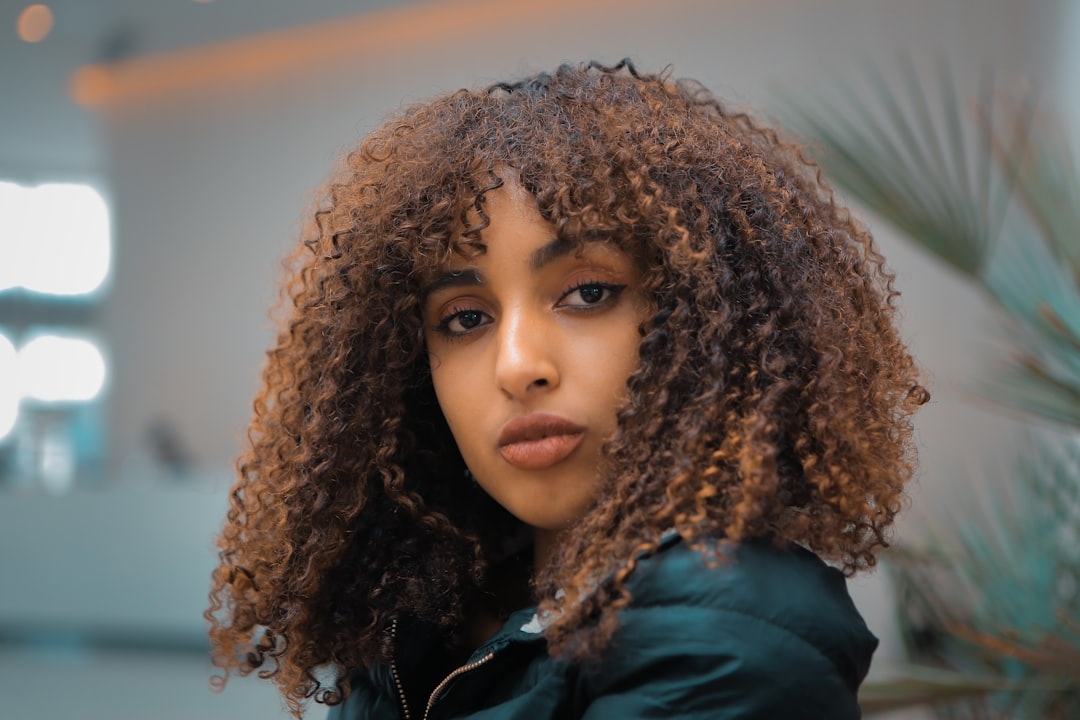
What if your curly hair could look as polished in the afternoon as it does fresh from the shower? Curly hair comes with genuine beauty—those natural spirals and waves hold volume and movement that many people with straight hair spend hours trying to recreate. Yet managing curls brings real challenges. Frizz, undefined waves, excessive dryness, and styling difficulty are everyday frustrations. The good news: understanding how to tame curly hair is entirely within reach. This guide covers the science, techniques, and products that actually deliver results.
Why Curly Hair Behaves Differently
Curly hair is structurally different from straight hair in ways that matter for everyday care. The hair shaft twists and bends, creating a natural spiral pattern. This shape means the hair’s cuticle layer (the protective outer coating) doesn’t lie flat the way it does on straight hair. When the cuticle is raised, moisture escapes more easily, and frizz becomes inevitable. The scalp’s natural oils, called sebum, travel down straight hair efficiently but struggle to coat the bends and turns in curls, leaving curly hair naturally drier.
Humidity makes this problem worse. When moisture from the air penetrates the hair shaft, it disrupts the hydrogen bonds holding your curl pattern in place. That’s why your curls frizz and lose definition on humid days. The technical term is hygroscopic swelling—your hair literally absorbs moisture from damp air and expands as a result.
Your curl type matters too. Hair texture runs on a spectrum from loose waves (Type 2) through tight coils (Type 4), and each pattern needs slightly different care. A loose wave needs different products and techniques than a tight curl, though the fundamental principles remain the same: moisture, definition, and protection from frizz.
Step One: Get Your Hair Condition Right
Deep Conditioning Is Non-Negotiable
Deep conditioning is the foundation of managing curly hair. Unlike straight hair, where oils naturally protect the shaft, curly hair relies on product to replace moisture that escapes through its gaps. A weekly deep conditioning treatment for 15–20 minutes (or overnight, for severely dry curls) makes a measurable difference. Product matters: look for conditioners containing glycerin, shea butter, or coconut oil, which penetrate the hair shaft rather than just coating the surface.
Brands like SheaMoisture Raw Shea Butter Restorative Conditioner (around £8–10) and Cantu Shea Butter Leave-In Conditioning Repair Cream (around £5–6) are affordable options that deliver real hydration. If budget allows, luxury choices like Olaplex No. 5 Bond Maintenance Conditioner (around £28) provide clinical-grade protein rebuilding.
Regular Cleansing Without Stripping
Traditional shampoos often contain sulfates that strip away natural oils. Curly hair cannot afford to lose that protection. Switch to sulfate-free shampoos or try co-washing—washing with conditioner only—2–3 times weekly. Full shampoo washes should happen just once weekly. Many people find a gentle, hydrating shampoo like Cantu Sulfate-Free Shampoo (around £5–6) works well without compromising curl definition.
Massage the shampoo into your scalp thoroughly for a full 2–3 minutes, then rinse completely. Scalp health determines hair health—buildup creates flaking and weakens the hair root, making frizz worse higher up the shaft.
The Right Approach to Styling Wet Hair
Detangle Properly Before the Curls Set
Detangling wet curly hair requires patience and the right tools. Use a wide-tooth comb or a detangling brush on soaking wet hair while your conditioner is still in. Work from the bottom of each curl upward, section by section. Never use a fine-tooth comb or brush on dry curls—you’ll break the hair shaft and destroy definition. The detangling process takes longer than straight hair maintenance, but skipping this step guarantees breakage and frizz later.
Apply Products to Soaking Wet Hair
This step is critical. Curly hair absorbs products most effectively when fully hydrated. After detangling, apply your leave-in conditioner, curl cream, or gel while your hair drips with water. The moisture helps the product distribute evenly throughout the curl. A good workflow: rinse out your deep conditioner, apply leave-in conditioner, apply curl cream or mousse, then apply gel to set the shape.
According to Marcel Desmond, a certified trichologist at London Hair Science, “The sequence matters as much as the products themselves. Leave-in conditioner goes first because it’s lighter. Cream next for definition and moisture. Gel last because it provides hold.” This layering approach gives you moisture, definition, and hold all at once.
What the Pros Know: Professional stylists often use the “praying hands” method to apply products evenly. Place your hands together, sandwich a section of hair between your palms, and slide downward. This deposits product evenly along the curl and smooths the cuticle, reducing frizz. Avoid mixing and squishing, which disrupts the curl pattern.
Drying Techniques That Preserve Curl Definition
Plopping vs. Air-Drying vs. Diffusing
How you dry your hair determines whether your curls stay defined or transform into a frizzy mass. Three main methods dominate curly hair care:
- Plopping: Wrap wet hair in a microfibre towel or cotton t-shirt for 10–15 minutes. This removes excess water without friction. Standard towels have a rough texture that roughens the hair cuticle; microfibre or cotton is gentler.
- Air-drying: Takes 6–8 hours but requires zero heat damage risk. Best for low-density curls (wavy to loosely curly hair) that dry evenly. Requires patience and a humid-weather strategy.
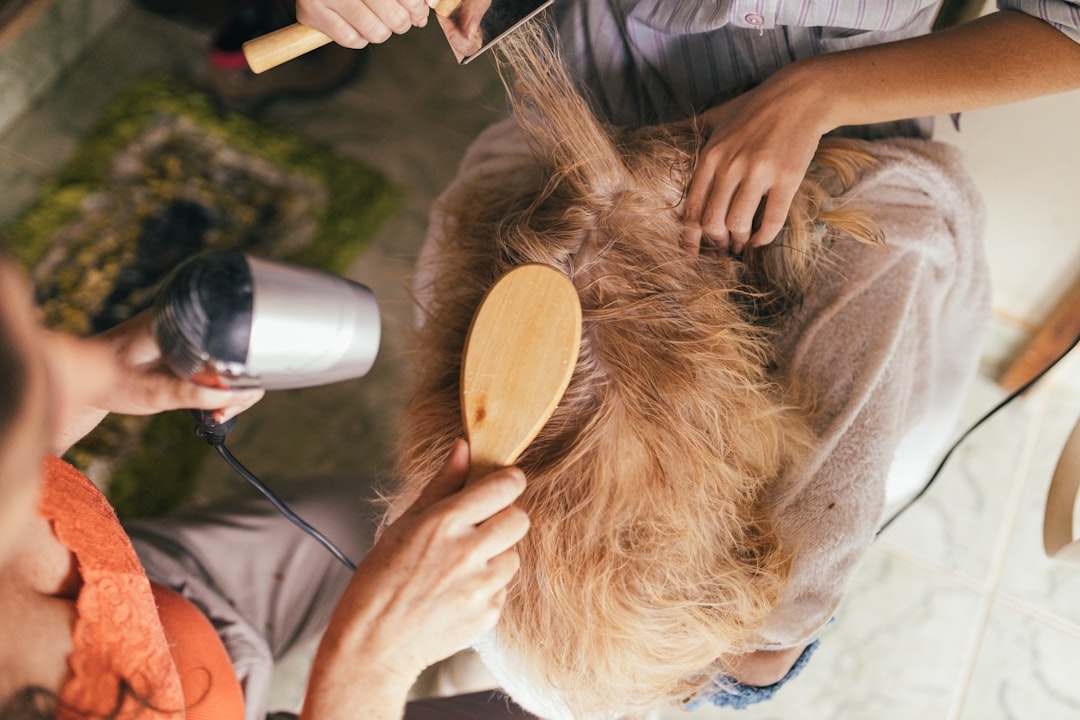
- Diffusing: Use a blow-dryer’s diffuser attachment on low-to-medium heat and low speed. Hold the diffuser against your scalp and move it slowly. This method dries hair 3–4 times faster than air-drying without much frizz if done correctly.
Most people with medium-to-tight curls find diffusing offers the best balance of speed and result quality. A quality diffuser adds £15–25 to the cost of a basic hairdryer, but reduces drying time significantly. The Dyson Supersonic (around £299) includes a specialised curly-hair diffuser, though mid-range options like the ghd Flight (around £179) work well for most budgets.
The Wet Gel Cast—Why It Matters
When you first dry your curls with gel, they feel crunchy and stiff. This texture is called a “gel cast,” and it’s actually protective. Leave that cast in place for at least 2–3 hours before scrunching it out with your hands. The cast holds your curl shape while the gel hardens, then breaks apart to reveal soft, bouncy curls. Scrunching too early disrupts the curl formation.
If your curls don’t hold that initial cast stiffness, your gel isn’t strong enough, or you didn’t apply it to soaking wet hair. Switch to a stronger gel or adjust your application technique.
Maintenance Between Wash Days
Refresh Your Curls on Day Two and Three
Most people with curly hair can stretch their hairstyle 2–3 days between washes with proper refreshing. On day two, curls often lose definition, flatten where you’ve slept, and develop frizz. A spray bottle with water, a tiny amount of leave-in conditioner, and a light curl cream revives them. Lightly mist each section, re-apply product, and gently reshape the curl with your fingers. This takes 10–15 minutes and extends the life of your style significantly.
Pineapple your hair before bed: gather your curls into a loose, high ponytail on the crown of your head using a silk or satin scrunchie. This prevents curls from flattening against your pillow. A silk or satin pillowcase (around £12–20) offers extra protection and reduces friction damage.
Managing Buildup
Product buildup gradually makes curls look dull and flat. Every 4–6 weeks, use a clarifying shampoo to remove mineral deposits from water and product residue. SheaMoisture Jamaican Black Castor Oil Purification Shampoo (around £6–8) works gently enough for curly hair while still removing buildup effectively.
Product Ingredients That Actually Matter
Moisture-Delivering Ingredients
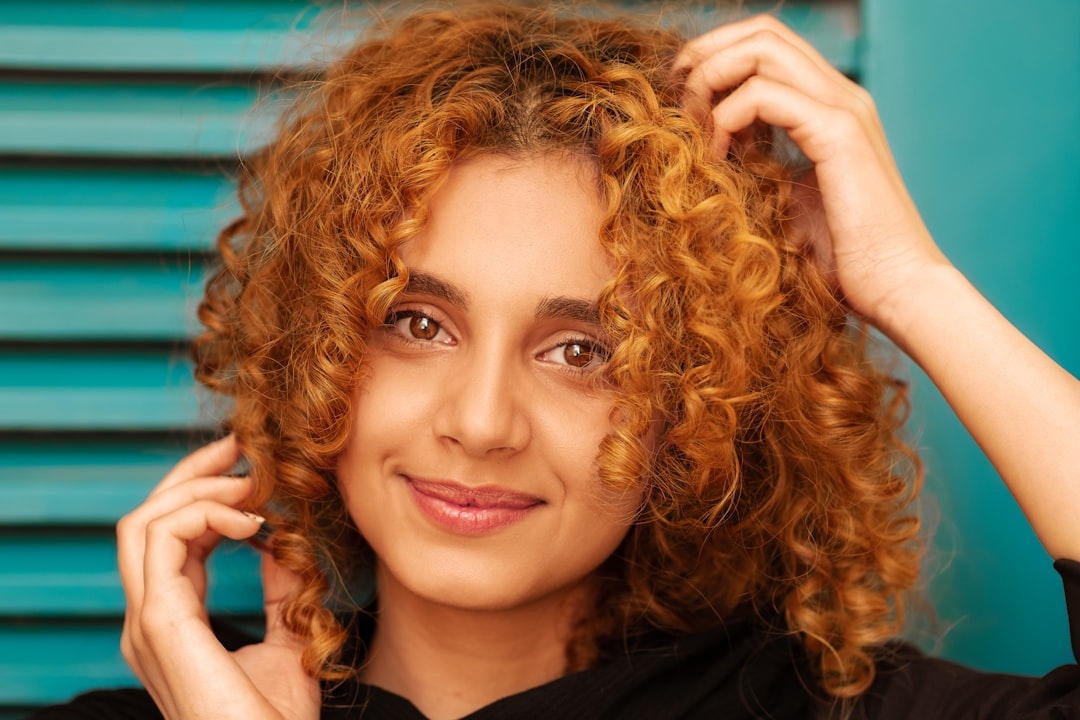
Glycerin is a humectant—it draws moisture from the air into your hair. Shea butter, coconut oil, and argan oil penetrate the hair shaft, replacing lost moisture from the inside. Aloe vera soothes the scalp and adds lightweight hydration without heaviness. Look for these in the first five ingredients of any product you buy for curly hair.
Proteins like keratin and silk amino acids temporarily strengthen damaged areas. However, too much protein makes curls stiff and brittle, so balance protein treatments with moisture-heavy conditioners. A basic rule: alternate protein treatments with hydrating deep conditioning.
What to Avoid
Silicones create a temporary smoothing effect but build up on your hair, making it heavier and eventually duller. Sulfate shampoos strip moisture ruthlessly. Mineral oil sits on the surface without penetrating, leaving curls feeling greasy but still dry. Alcohol in styling products dries your hair while it evaporates—acceptable in small amounts but problematic as a main ingredient.
Understanding Your Curl Type and Adapting Your Routine
Waves (Type 2)
Loose waves need lighter products; heavy creams weigh them down. A lightweight leave-in spray and mousse usually work better than thick creams. Air-drying is often the simplest method. Diffusing is optional.
Curls (Type 3)
Medium curls benefit from the full routine described above. Conditioning, leave-in conditioner, curl cream, gel, and diffusing usually deliver excellent results. These curls hold definition well with proper care.
Coils (Type 4)
Tight coils are the driest curl type and need heavy, rich conditioners. Deep conditioning weekly is essential. Gel hold is important because coils can shrink 50% or more, making length deceptive. Protective styling (braids, twists, buns) becomes more important for managing breakage.
Professional Treatments Worth Considering
Curl-Specific Cuts
A regular haircut on wet, curly hair (not dry) ensures even length and proper shaping. The Drybar Curl-Specific Cut costs around £60–80 in London salons, but many independents charge £40–50 for the same expertise. A proper cut reduces styling time and improves definition dramatically.
Protein Treatments and Keratin Options
Temporary protein treatments (Olaplex, K18) strengthen hair for 4–8 weeks and cost £25–60 per treatment. Keratin treatments (Brazilian blowouts) straighten or relax curls semi-permanently for 8–12 weeks at around £150–300. These are options if you want temporary styling changes without commitment.
Common Mistakes and How to Fix Them
Washing curly hair in hot water opens the cuticle and causes frizz. Use lukewarm or cool water instead, especially for the final rinse. Scrunching product in multiple directions breaks curl clumps. Apply products downward along the curl, using the praying hands method. Diffusing on high heat or high speed causes frizz and damage—use low settings always. Skipping deep conditioning forces your curls into perpetual dryness, no matter what else you do.
FAQ: Your Curly Hair Questions Answered
How often should I wash curly hair?
Once weekly with shampoo, 2–3 times weekly with conditioner only (co-washing). Washing more frequently than once a week strips moisture; less frequent washing allows buildup. Adjust based on your activity level and water type (hard water requires more frequent clarifying).
Can I fix my curls if they’re damaged?
Significant damage (split ends, breakage higher up the shaft) requires a trim. Minor dryness improves with deep conditioning and better styling technique within 4–6 weeks. Protein treatments address temporary weakness. Permanent damage requires cutting away the damaged section.
Why does humidity ruin my curls?
Hair absorbs moisture from humid air, disrupting the hydrogen bonds that hold your curl shape. A gel with strong hold and a sealing product (oil or serum) over the gel helps, but humidity always makes curls less defined. Anti-frizz creams provide some protection by coating the hair cuticle.
Do I need special products or just technique?
Technique matters more than product cost. A £5 sulfate-free shampoo and conditioner with proper styling technique beats a £50 luxury product applied incorrectly. That said, some ingredients (glycerin, shea butter, proper humectants) deliver results better than others. Budget £30–50 monthly for a solid routine: shampoo, conditioner, leave-in, curl cream, and gel.
How long until I see improvement?
Basic hydration improvements appear within 2–3 wash cycles. Significant definition and frizz control take 4–8 weeks as healthier new growth emerges and your technique improves. Dramatic transformation (from undefined frizz to bouncy curls) typically needs 2–3 months of consistent care.
Moving Forward: Building Your Personal Routine
Learning how to tame curly hair isn’t about following someone else’s exact routine—it’s about understanding the principles and adapting them to your specific curl type, climate, and lifestyle. Start with basics: sulfate-free shampoo, deep conditioning weekly, and proper wet-hair styling. Spend two weeks practicing the praying hands method and proper detangling. Add a second product only after you’ve mastered the first. Most people build their perfect routine over 8–12 weeks through gradual adjustment.
Track what works. Photograph your curls on day one and day three of your new routine. Note which products, techniques, and drying methods deliver your best results. The investment in time now pays dividends—once you’ve dialled in your personal approach to taming curly hair, you’ll spend less time styling, see less breakage, and actually enjoy your natural texture.