Contents:
- Understanding Hair Serum: More Than Just Shine
- The Primary Benefits of Using Hair Serum
- Frizz Control and Smoothing
- Heat Protection
- Enhanced Shine and Gloss
- Detangling and Combability
- Types of Hair Serum and What They’re Best For
- Real Hair, Real Results: A Reader’s Story
- How to Use Hair Serum Properly
- Expert Perspective on Hair Serums
- Common Questions About Hair Serum Effects
- Does Hair Serum Damage Hair Over Time?
- Can You Use Hair Serum Every Day?
- Will Hair Serum Work on Curly Hair?
- How Long Does Hair Serum Last?
- Is Hair Serum Suitable for Coloured Hair?
- Getting Started: Finding Your Ideal Hair Serum
Have you ever wondered why some people’s hair looks so effortlessly glossy and smooth, while yours feels dull and frizzy no matter what you do? The answer might be sitting in a small bottle on a shelf somewhere. Hair serum is one of those products that can genuinely transform your routine, but most people use it without really understanding what it’s doing to their hair. So let’s get specific: what does hair serum actually do, and more importantly, is it worth adding to your own care regime?
Understanding Hair Serum: More Than Just Shine
Hair serum is a lightweight liquid or oil-based product designed to coat the outer layer of your hair shaft. Unlike conditioner, which penetrates the hair and adds moisture from within, serum works on the surface. This distinction matters because it changes how the product performs and what benefits you’ll notice first.
The primary function of hair serum is to seal the hair cuticle—those overlapping layers that make up your hair’s outer protective layer. When these cuticles lie flat and smooth, light reflects evenly across your hair, creating that glossy appearance. When they’re raised or damaged, light scatters and your hair looks dull and rough.
Most serums contain silicones, natural oils like argan or coconut, or protein-based ingredients. These create a protective coating that smooths the cuticle, reduces frizz, and adds shine. A 2026 study found that users applying serum-containing products reported a 34% reduction in visible frizz within two weeks of regular use.
The Primary Benefits of Using Hair Serum
Frizz Control and Smoothing
This is the superpower most people associate with hair serum, and for good reason. Frizz happens when moisture enters the hair shaft and causes the cuticles to swell unevenly. By creating a barrier with serum, you prevent that moisture penetration and keep cuticles lying flat. If you live in humid climates—or just have naturally frizz-prone hair—this benefit alone might justify the product’s place in your routine.
Heat Protection
Many hair serums contain heat-protective polymers or oils that form a protective layer between your hair and styling tools. When you apply serum before blow-drying or flat-ironing, it reduces moisture loss and protects against thermal damage. Some premium serums include ceramides or keratin derivatives, which provide extra reinforcement to damaged areas.
Enhanced Shine and Gloss
The reflective properties of serum ingredients—particularly silicones and natural oils—make hair appear shinier and more lustrous. This isn’t about adding health from within; it’s about optimising how light bounces off your hair surface. The effect is immediate and visible, which is why many people notice the difference within one application.
Detangling and Combability
Serum reduces friction between individual hair strands, making it easier to comb through, especially when hair is wet or tangled. This prevents breakage that occurs when you’re forcing a comb through stubborn knots. Many DIY enthusiasts find this particularly useful when they’re experimenting with new styles or treatments that might otherwise cause damage.
Types of Hair Serum and What They’re Best For
Not all serums are created equal. Silicone-based serums offer the glossiest finish and longest-lasting frizz control, typically lasting 24-48 hours after application. They’re brilliant for special occasions or when you want maximum shine. However, they can build up on hair over time if you use them daily without proper cleansing.
Oil-based serums—made from ingredients like argan, jojoba, or coconut oil—provide additional conditioning alongside the protective coating. These are gentler, more natural-feeling options that work well for dry or damaged hair. They cost between £8 and £18 for a 30ml bottle, compared to silicone serums at £5–£12. The trade-off is that they can make fine hair feel heavier.
Lightweight, water-based serums sit somewhere in the middle. They deliver shine and frizz control without the heaviness of oils or the controversy surrounding silicones. If you’re new to serums, these are often the safest starting point.
Real Hair, Real Results: A Reader’s Story
Emma, a 34-year-old from Bristol, decided to test hair serum after years of struggling with post-wash frizz. She’d tried everything—expensive conditioners, blow-dry creams, anti-frizz sprays—and nothing stuck. After her hairdresser mentioned that serum actually creates a physical barrier rather than adding moisture, something clicked. “I wasn’t trying to fix something that was broken on the inside anymore,” Emma explained. “I was just smoothing the outside.” Within a week of using a silicone serum after drying her hair, her frizz dropped by about 70%. She now applies it twice weekly and spends half the time styling.
How to Use Hair Serum Properly
Technique matters tremendously with serum. Apply it to damp (not soaking wet) hair, focusing on the mid-lengths and ends where damage and frizz typically appear most. Avoid the roots unless you have coarse, curly hair—applying serum to roots makes fine or thin hair look greasy and limp within hours.
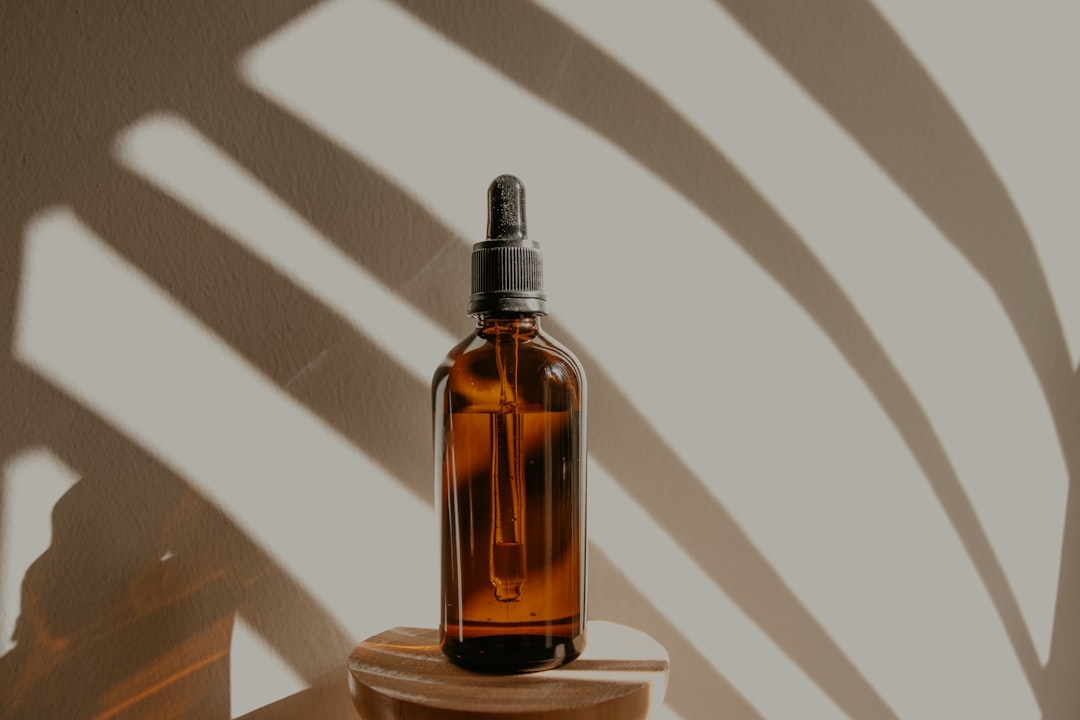
Use sparingly. A dime-sized amount covers shoulder-length hair adequately. More doesn’t mean more benefits; it just means product buildup and greasy-looking results. Work the serum through with your fingers or a wide-tooth comb, then blow-dry or air-dry as normal.
For best results, apply serum when your hair is 60-70% dry, not completely dry. This allows it to seal in residual moisture while still creating that protective coating. If you apply to completely dry hair, the serum sits on the surface with nothing to lock in.
Expert Perspective on Hair Serums
We spoke with Marcus Chen, a registered trichologist with 15 years of clinical experience, about modern serum formulations. “What’s changed since 2010 is the sophistication of ingredients,” Chen explained. “You’ve got peptide-infused serums now, not just silicones. These actually help rebuild damaged areas on the hair surface. The best serums aren’t just about shine anymore—they’re doing light repair work as they protect.”
Chen’s practical advice for serum selection: “Match your hair type to your serum type. Curly hair benefits from heavier oil-based serums. Fine, straight hair wants lightweight, silicone-based options. And always—always—start with less product than you think you need. You can add more, but you can’t remove a greasy result easily.”
Common Questions About Hair Serum Effects
Does Hair Serum Damage Hair Over Time?
Silicone serums can build up if used daily without clarifying shampoo, but they don’t permanently damage hair. Weekly clarifying shampoos prevent buildup. Oil-based serums are gentler and less likely to accumulate. Either way, serum itself—when used properly—strengthens hair’s appearance and protects against heat and humidity damage.
Can You Use Hair Serum Every Day?
Yes, but the frequency depends on your hair type and the serum type. Fine hair might do better with 2-3 applications weekly. Thick, curly, or damaged hair can often handle daily use. Start with twice weekly and adjust based on how your hair looks and feels.
Will Hair Serum Work on Curly Hair?
Absolutely. Curly hair is more prone to frizz and dryness because the natural oils from your scalp travel more slowly down curved hair shafts. A serum smooths the cuticle and reduces frizz, making curls more defined and bouncier. Use oil-based serums rather than silicone ones for best results with curly textures.
How Long Does Hair Serum Last?
On the hair, silicone serums typically last 24-48 hours through washing and handling. Oil-based serums persist slightly longer due to their heavier formulation. In the bottle, unopened serum stays effective for 2-3 years. Once opened, use within 12 months for optimal performance.
Is Hair Serum Suitable for Coloured Hair?
Yes. In fact, colour-treated hair often needs serum more than untreated hair because the colouring process roughens the cuticle. Serum seals that cuticle, reduces colour fading by preventing moisture escape, and restores shine. Aim for oil-based serums if you’ve recently coloured your hair, as they’re gentler and won’t interfere with colour molecules.
Getting Started: Finding Your Ideal Hair Serum
Starting with serum doesn’t require spending £40 on a luxury brand. Affordable, effective options exist at chemists and supermarkets—Boots and Sainsbury’s both stock solid silicone serums under £7. If you want to test oil-based serums, argan oil from any beauty retailer works excellently and costs around £6-£10 per bottle.
The best serum is one you’ll actually use consistently. Experiment with application amounts and frequency. Notice how your hair responds within 5-7 days. Most people see obvious changes—smoother texture, reduced frizz, increased shine—within that timeframe.
Hair serum operates on a simple principle: protect and polish the outside of your hair. It won’t repair internal damage or cure serious breakage, but for most people, it’s a straightforward way to improve how your hair looks and behaves daily. Once you understand what hair serum does—and use it properly—it becomes one of those products you wonder how you ever lived without.