Contents:
- Quick Answer Box
- Understanding Bleaching Chemistry
- How Bleach Actually Works
- Damage Mechanics
- Preparation: The Most Critical Step
- Assessing Your Hair’s Current Condition
- The Strand Test: Non-Negotiable
- Pre-Bleach Hair Preparation (5-7 Days Before)
- The Bleaching Products You’ll Need
- Bleach Powder
- Developer
- Protection and Application Tools
- Post-Bleach Products
- Step-by-Step Application Process
- Setup (15 minutes)
- Mixing (5 minutes)
- Application (20-30 minutes total application time)
- Processing and Monitoring (25-45 minutes depending on hair type)
- Rinsing (10-15 minutes)
- Drying and Assessment (20 minutes)
- Realistic Expectations and Timelines
- Hair Colour Predictions
- Toning and Colour Correction
- Aftercare: Critical for Maintaining Hair Health
- Weekly Deep Conditioning (Weeks 1-4 Post-Bleach)
- Minimising Heat Styling (First 2 Weeks)
- Gentle Handling
- Regular Trims
- FAQ Section
- Is it safe to bleach your hair at home?
- How many times can you bleach hair before it breaks off?
- What if bleaching goes wrong?
- How much does at-home bleaching cost vs professional?
- Can you bleach very dark hair at home?
- Making Your Bleaching Decision
You’re standing in front of the mirror considering a dramatic change. Professional bleaching costs £100-300 at London salons, £60-150 in regional salons. The possibility of doing this at home appeals financially. However, bleaching carries real risks: chemical burns to the scalp, severe hair damage, uneven colour, and potential hair loss from improper technique. Understanding how to bleach your hair at home safely requires honesty about your hair’s condition, realistic expectations, and meticulous technique.
Quick Answer Box
Can you safely bleach your hair at home? Yes, with proper preparation and technique. Best candidates: healthy, naturally dark hair you’re lightening 1-2 shades; previously bleached hair you’re maintaining; or hair you’re willing to sacrifice if results disappoint. Poor candidates: already-damaged hair, extremely dark hair requiring 3+ shade lifts, or hair you can’t afford to lose. If uncertain, consult a professional first (£50-80 consultation fee is worthwhile insurance).
Understanding Bleaching Chemistry
How Bleach Actually Works
Bleaching removes colour through oxidation, breaking down melanin molecules that give hair its natural shade. Hydrogen peroxide (the developer) opens the hair’s cuticle layer, allowing ammonia to penetrate into the cortex where melanin resides. The ammonia breaks melanin’s chemical bonds, releasing colour and lightening the hair. The longer bleach remains on hair, the more colour lifts—but so does damage.
Hair typically lightens approximately one shade per 10 minutes of bleach application, though this varies significantly based on: natural hair colour (black hair requires 45-60 minutes; brown hair requires 30-45 minutes; blonde hair requires 15-25 minutes), hair texture (fine hair processes faster; thick hair processes slower), hair porosity (damaged/porous hair processes much faster), and developer strength (20 or 30 volume developer standard; 40 volume processes faster but causes more damage).
Damage Mechanics
Bleaching permanently alters hair structure. The hydrogen peroxide breaks disulphide bonds holding protein chains together. Extended bleaching or repeated bleaching causes cumulative damage: hair becomes dry, fragile, prone to breakage, and susceptible to further colour fading. Once damaged, hair cannot be repaired—only managed through deep conditioning, careful styling, and strategic trims.
What the Pros Know: Trichologist Dr. Sarah Williams from the British Institute of Trichology explains: “At-home bleaching fails most often because people don’t account for hair’s existing condition or mistime the processing. They assume 30 minutes is right for everyone. It’s not. A strand test takes 10 minutes and eliminates 90% of at-home bleaching disasters. People skip this step rushing to results. Those who test their hair success rate jumps to 85%; those who skip testing fail 40% of the time.”
Preparation: The Most Critical Step
Assessing Your Hair’s Current Condition
If your hair is already damaged (from previous bleaching, heat styling, or chemical treatments), at-home bleaching risks catastrophic breakage. Damage cumulates. Bleaching already-damaged hair often results in portions breaking off mid-way through application. Professional assessment (a 20-minute consultation at a salon costs £30-50) determines whether your hair can tolerate bleaching safely.
Perform a simple home test: pull a strand gently. If it breaks easily, your hair is too compromised for bleaching. Take a strand moistened with water and stretch it. If it snaps rather than stretches, bleaching will cause serious breakage.
The Strand Test: Non-Negotiable
A strand test predicts how your specific hair will respond to your specific bleach/developer combination. This single step takes 10 minutes and prevents 90% of disasters. Here’s how:
- Section hair at the nape (hidden area if results disappoint)
- Mix bleach and developer exactly as instructed (precise ratios matter)
- Apply to a small 2 centimetre section
- Check colour lift every 5 minutes, removing bleach as soon as you reach desired lightness
- Assess the result: colour lift, damage assessment, timing accuracy
- Wait 48 hours before full application (allows scalp to settle and confirms you’re not allergic)
The strand test tells you: exact processing time needed for your hair, whether the developer strength is appropriate, how your specific hair responds to the product, and whether you can proceed safely.
Pre-Bleach Hair Preparation (5-7 Days Before)
Avoid shampooing for 5-7 days before bleaching. Natural scalp oils protect the skin from chemical irritation. Heavy shampooing strips these oils, leaving scalp vulnerable to burns. This is non-negotiable.
Deep condition heavily 2-3 days before bleaching (not immediately before—leave the day before to allow natural oils to return). This preps hair to tolerate bleach somewhat better. Apply conditioning mask for 30+ minutes, rinse thoroughly.
Trim damaged ends 1-2 weeks before bleaching. Bleaching makes existing damage worse; removing it first means you’re bleaching healthier hair.
The Bleaching Products You’ll Need
Bleach Powder
Brands available at UK supermarkets and online: Clairol, Wella, Schwarzkopf (approximately £5-12 per box). These are powder bleaches you mix with developer. Avoid cream bleaches (more expensive, processed slower, similar results). Get the strongest powder bleach available (usually labelled as “extra strength”).
Most boxes contain approximately 28 grams powder, sufficient for shoulder-length hair once. Longer or thicker hair requires two boxes.
Developer
20 volume developer is standard and safest (processes in 30-45 minutes). 30 volume processes faster (20-35 minutes) but causes more damage. 40 volume is too strong for at-home use, risking severe damage. Purchase 20 or maximum 30 volume. Brands: same as bleach (Clairol, Wella, Schwarzkopf approximately £4-8 per bottle).
Protection and Application Tools
- Latex gloves (included with most kits, or £0.50)
- Non-metal mixing bowl (metal reacts with bleach; use ceramic or plastic, £2-5)
- Non-metal applicator brush or tint bottle (included in most kits, or £3-8)
- Old towel (protect clothing; bleach stains permanently)
- Vaseline (apply around hairline and ears to prevent burn risk)
- Timer (crucial for tracking processing time)
Post-Bleach Products
Conditioning treatments for after bleaching are essential: Olaplex No. 3 (£30-50 for full treatment), or quality deep conditioner like SheaMoisture (£12-18), or purple shampoo (£6-12 for blonde-toned results). Budget at least £20 for post-bleach care products.
Step-by-Step Application Process
Setup (15 minutes)
Work in a well-ventilated area (bathroom with window open, or outdoors). Fumes from bleach are strong; ventilation prevents headaches and respiratory irritation.
Wear old clothes you don’t care about. Protect shoulders with an old towel. Apply Vaseline around hairline, ears, and neck (prevent irritation and chemical burns on skin).
Have everything prepared before mixing bleach: gloves, bowl, applicator, timer, damp cloth nearby for cleanup.
Mixing (5 minutes)
Mix bleach and developer in exact ratio specified on the box (typically 1:2 powder to developer by volume). Precise mixing is critical. Too much developer = faster processing but more damage. Too little developer = inadequate lightening.
Mix in a ceramic or plastic bowl. The mixture will be thick, pale. Use immediately; bleach mixture only remains effective for about 30 minutes after mixing.
Application (20-30 minutes total application time)
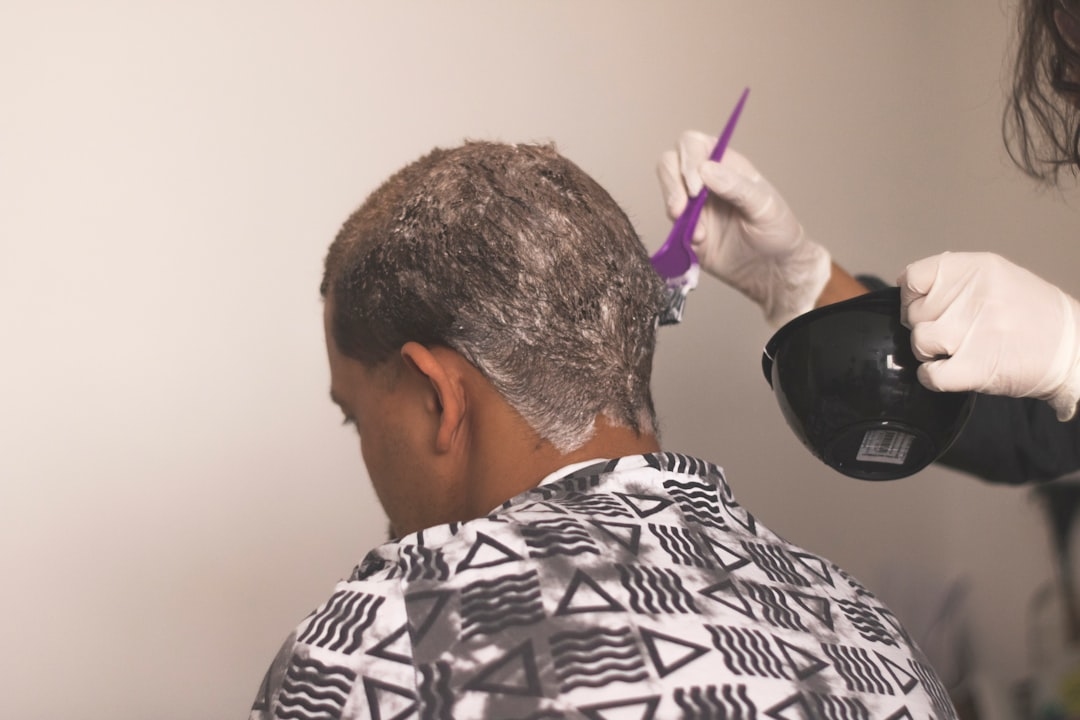
Section hair into 4-6 quadrants (more sections for thick hair). Clip sections you’re not actively working on. This prevents missing areas.
Start applying at the most resistant area (typically around the crown or near the face where darker, coarser hair grows). Work systematically, applying bleach to roots first (they process slower), then gradually work to mid-lengths and ends.
Saturate each section thoroughly. Bleach effectiveness depends on even, generous saturation. Sparse application results in patchy lightening.
Once you’ve applied bleach to all hair, gently massage the bleach through, ensuring all hair is evenly coated. Comb through with a wide-tooth comb to distribute evenly.
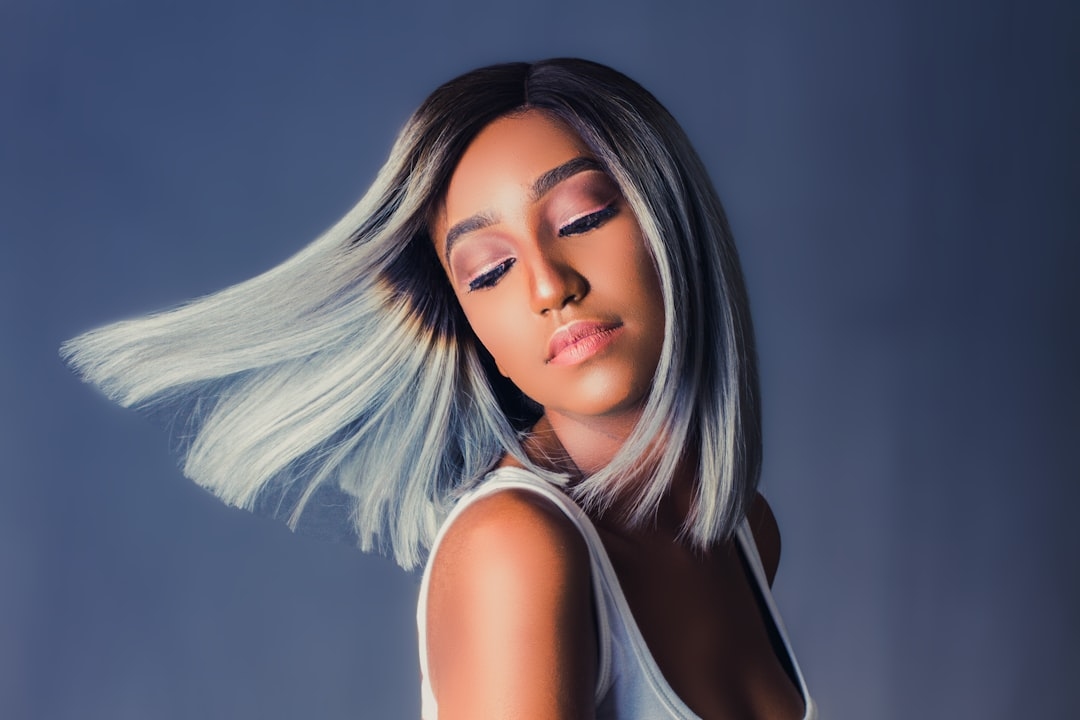
Processing and Monitoring (25-45 minutes depending on hair type)
Set a timer immediately after application. Check colour every 5 minutes starting at 15 minutes in (for light hair) or 20 minutes in (for dark hair). Your strand test told you approximately how long processing takes; this confirms timing on full head.
When hair has lightened to your target shade, rinse immediately. Over-processing is the most common at-home mistake. Stop as soon as you reach desired lightness—don’t leave bleach on “just a bit longer” hoping for more lift. Marginal colour improvements aren’t worth serious damage.
Rinsing (10-15 minutes)
Rinse thoroughly with lukewarm water until water runs completely clear. This removes all bleach. Incomplete rinsing leaves bleach on hair, continuing to damage as it sits.
After rinsing out bleach, apply a deep conditioning treatment (Olaplex, SheaMoisture, or included conditioner) for 10-15 minutes. Some people apply deep conditioner immediately after rinsing while hair is still warm; others prefer cooling first. Both work; immediate application may penetrate slightly better.
Drying and Assessment (20 minutes)
Gently squeeze excess water. Allow hair to air-dry most of the way (heat after bleaching stresses hair excessively). If you must blow-dry, use lowest heat setting and heat protectant spray.
Once fully dry, assess results. Celebrate success, or if lightening is insufficient, plan touch-ups 1-2 weeks later (wait at least 10 days between bleaching applications to minimise cumulative damage).
Realistic Expectations and Timelines
Hair Colour Predictions
Natural black hair lightens to dark brown after first bleaching (1 shade lift maximum). Achieving platinum blonde requires 3-4 bleaching sessions spaced weeks apart. Each application lifts approximately 1-2 shades.
Natural dark brown hair lightens to medium brown (1-2 shades lift). Achieving light blonde requires 2-3 sessions.
Natural light brown or dirty blonde hair lightens to blonde (2-3 shades) in a single session.
Natural blonde hair lightens to pale blonde or platinum quickly (2-3 shades in one session).
Plan for multiple sessions if you want dramatic lightening. Single-session expectations should be realistic: one shade lift maximum without serious damage risk.
Toning and Colour Correction
After bleaching, hair often has warm or yellow tones. Toning removes these unwanted warmth. Purple shampoo (£6-12, for yellow tones) or blue shampoo (for orange tones) neutralises warmth. Use 1-2 times weekly after bleaching.
Toner can be applied at home using semi-permanent colour (like Wella T18 or similar, £5-8) for more dramatic colour shifts. This requires another application and cost but customises final colour.
Aftercare: Critical for Maintaining Hair Health
Weekly Deep Conditioning (Weeks 1-4 Post-Bleach)
Apply deep conditioning treatment once weekly for at least four weeks post-bleach. Cost: £10-15 per week. This restores moisture and minimises visible damage.
Minimising Heat Styling (First 2 Weeks)
Avoid blow-drying, straightening, or curling for the first two weeks post-bleach. Hair is most fragile immediately after bleaching. Heat during this period compounds damage. After two weeks, heat styling is acceptable if using heat protectant.
Gentle Handling
Avoid tight hairstyles, rough brushing, or pulling. Bleached hair is mechanically weaker; physical stress causes breakage. Use wide-tooth combs, soft brush bristles, and loose hairstyles.
Regular Trims
Schedule a trim 2-3 weeks post-bleach. Bleaching damages ends; removing them refreshes appearance and prevents split ends from advancing upward.
FAQ Section
Is it safe to bleach your hair at home?
Yes, with proper preparation and technique. Strand testing eliminates 90% of disasters. The main risks are: chemical burn to scalp (prevented by not shampooing for 5-7 days beforehand), severe breakage (prevented by assessing hair’s current condition), and uneven lightening (prevented by careful application). Follow the step-by-step process and you’ll have excellent results.
How many times can you bleach hair before it breaks off?
Most healthy hair tolerates 3-4 bleaching sessions over several months. Space applications 2-3 weeks apart. Beyond 4-5 sessions, cumulative damage becomes severe; breakage becomes likely. If you want multiple blonde tones, plan for that—don’t bleach excessively in single session.
What if bleaching goes wrong?
If results are patchy, under-processed, or unsalvageable, wait 2-3 weeks and try again. If hair has broken off, trim and accept the setback. If you’ve experienced chemical burn, apply soothing lotion and avoid further bleaching for at least one month. If unsure about fixing results, consult a professional (£60-100 for damage assessment and correction).
How much does at-home bleaching cost vs professional?
At-home: £15-25 for bleach, developer, and post-care products. Professional: £100-300 depending on hair length and salon location. The £75-275 savings is significant, but professional application reduces disaster risk considerably. For first-time bleaching, professional consultation (£30-50) might be worthwhile insurance.
Can you bleach very dark hair at home?
Yes, but plan for multiple sessions. Black hair requires 3-4 sessions spaced 2-3 weeks apart to reach blonde. Attempting full lightening in one session risks severe breakage. Accept that achieving platinum blonde from black hair takes months and patience.
Making Your Bleaching Decision
How to bleach your hair at home safely requires honesty about your hair’s condition, realistic expectations about colour lift, and meticulous attention to technique. The process is achievable for most people; the key is respecting bleach’s power and not rushing. Perform your strand test, don’t shampoo for five days beforehand, apply carefully and evenly, monitor processing time strictly, and rinse thoroughly. Post-bleach, commit to deep conditioning and gentle handling for four weeks. These steps transform at-home bleaching from a risky gamble into a manageable process. If at any point you doubt your hair’s capacity to tolerate bleaching, invest in professional application—the £100-200 cost is worthwhile insurance against hair loss.