
Contents:
- Understanding Cataract Surgery Recovery Basics
- How Long After Cataract Surgery Can I Wash My Hair?
- Why Water Exposure Matters During Recovery
- Practical Tips for Hair Washing After Cataract Surgery
- Positioning Matters
- Water Temperature and Pressure
- Eye Protection During Hair Washing
- Pat, Don’t Rub
- Common Mistakes to Avoid
- Alternative Hair Care Before You Can Wash
- Signs of Complications: When to Seek Help
- Timeline Summary for the First Four Weeks
- Special Circumstances
- Frequently Asked Questions
- Can I shower at all before washing my hair?
- What if I accidentally get water in my eye before the recommended waiting period?
- Can I use hair treatments like dyes, perms, or highlights before full recovery?
- Is tap water safer than other water sources for hair washing?
- How long after cataract surgery can I wash my hair if I’ve had stitches?
Quick Answer
Most people can safely wash their hair 7 to 10 days after cataract surgery, though your surgeon may recommend waiting longer. Always follow your specific post-operative instructions, as individual recovery varies.
The days following cataract surgery bring a mix of relief and caution. Your vision is improving, life is returning to normal, but you’re navigating unfamiliar restrictions. One question that catches many patients off guard: when can I actually wash my hair again? It might seem simple, but this daily routine carries real implications for your healing eye.
Understanding Cataract Surgery Recovery Basics
Cataract surgery is a minimally invasive procedure where your clouded lens is removed and replaced with an intraocular lens implant. The actual surgery typically takes 15 to 20 minutes per eye, yet the recovery period demands careful attention for several weeks.
During surgery, your surgeon creates a tiny incision—usually between 2 and 3 millimetres—to access your eye. Some surgeons use self-sealing incisions that require no stitches, whilst others place one or two dissolving sutures. This small opening is remarkably delicate during the immediate healing phase. Your eye’s tear film, the moisture layer that keeps your vision clear and your eye protected, is also disrupted by the procedure. Both factors explain why water exposure restrictions exist.
The critical healing window lasts about 4 weeks, though most restrictions lift earlier. Your eye strengthens dramatically in the first two weeks, particularly the first 7 to 10 days.
How Long After Cataract Surgery Can I Wash My Hair?
The standard recommendation is wait 7 to 10 days before washing your hair. Some surgeons are more conservative and suggest waiting a full 2 weeks. This variation reflects different surgical techniques and individual risk assessments.
Why this specific timeline? During the first week, your eye is at maximum vulnerability. The incision is sealing itself, the cornea is re-epithelialising (forming a new protective surface layer), and your intraocular lens is settling into position. Water exposure introduces bacteria and disrupts the healing process. By day 7 to 10, your cornea has largely re-sealed itself, and the incision has strengthened considerably.
Your surgeon’s instructions supersede general guidelines. They know exactly how they closed your incision and your specific healing progress. If they say wait 14 days, that’s your timeline—not a suggestion.
Why Water Exposure Matters During Recovery
Water carries microscopic contaminants: bacteria from tap pipes, minerals, chlorine, and particles. Your eye’s natural protective barriers—the corneal epithelium and tear film—are compromised after surgery. Without these intact defences, water contact risks infection.
Infection after cataract surgery is rare but serious. Post-operative endophthalmitis, an infection inside the eye, occurs in approximately 1 in 1,000 to 1 in 3,000 cases. Whilst water alone doesn’t always cause infection, it significantly increases the risk during the critical healing window.
Chlorine in swimming pools and hot tubs is particularly problematic. The chemical irritates healing eyes and kills the beneficial bacteria in your tear film. If you’re considering a dip, wait at least 2 weeks after surgery, and ideally get explicit clearance from your surgeon.
Practical Tips for Hair Washing After Cataract Surgery
When your surgeon clears you to wash, approach the task thoughtfully.
Positioning Matters
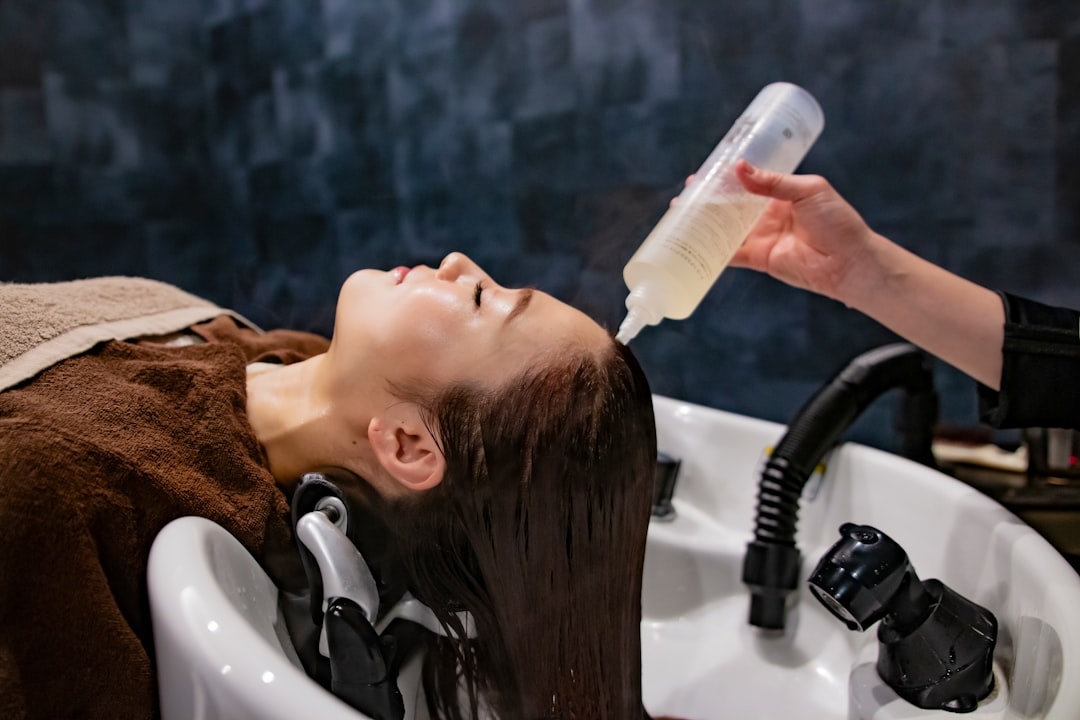
Tilt your head backward at a 45-degree angle, as though you’re at a salon basin. This keeps water away from your operated eye. If you had surgery on both eyes at different times, protect the more recently operated eye with extra care until it reaches the 7 to 10-day mark.
Water Temperature and Pressure
Use lukewarm water—not hot. Hot water opens your eyes wider, making accidental splashing more likely. Keep water pressure gentle. A soft stream is safer than a strong jet.
Eye Protection During Hair Washing
Consider wearing a protective eye shield or even keep your eye closed. Many patients ask about shower caps that cover the entire head—these are excellent. They prevent water splashing without restricting water flow to your hair.
Pat, Don’t Rub
After washing, use a soft towel to gently pat your hair dry. Vigorous rubbing creates wind and spray near your eyes. Take your time.
Common Mistakes to Avoid
Understanding what not to do is equally important as knowing what’s safe:
- Ignoring surgeon instructions. Generic guidelines don’t account for your specific surgery. Your surgeon has a reason for their timeline.
- Tilting your head forward. Washing your hair over a sink with your head tilted down allows water to splash directly into your eyes.
- Using harsh hair products too soon. Strong shampoos can irritate healing eyes. Stick with gentle, fragrance-free options for the first two weeks after you resume washing.
- Showering with your eyes open. Even without directly splashing, shower steam and mist can irritate your healing eye. Keep your eyes closed or wear protection.
- Waiting too long to wash. Once cleared, clean hair actually prevents infection better than dirty hair, which can harbour bacteria.
Alternative Hair Care Before You Can Wash
The waiting period doesn’t mean your hair must suffer. Several options maintain cleanliness without water exposure.
Dry shampoo is your friend for the first week. Powder-based dry shampoos absorb oil and refresh your hair without any liquid. Look for talc-free formulations—brands like Batiste offer excellent UK options for around £2 to £4 per can.
Washless conditioners and leave-in products can freshen your hair texture and tame frizz between washes. These require no rinsing.
Hats and headscarves are practical solutions if your hair feels unclean. Hairstyling products like pomades or texturising sprays give your hair a polished appearance without water.
Some patients with longer hair consider having their hair shampooed professionally once cleared, allowing stylists to use special techniques that minimise eye splash risk.
Signs of Complications: When to Seek Help
If water exposure does occur before you’re cleared, don’t panic. Rinse your eye gently with saline solution or your prescribed eye drops. Watch for warning signs over the next 48 hours:
- Increasing redness or swelling
- Pain or discomfort that worsens, not improves
- Vision becoming hazier, not clearer
- Light sensitivity worsening
- Discharge that’s thick, yellow, or greenish
Contact your surgeon immediately if any of these appear. Early intervention prevents minor issues becoming serious complications.
Timeline Summary for the First Four Weeks
Days 1-7: Avoid all water contact with your eyes. Use dry shampoo for hair care. Keep your head dry during showers.
Days 7-14: Most surgeons clear hair washing around day 7 to 10. Use careful positioning and eye protection. Some surgeons still recommend waiting until day 14.
Weeks 3-4: Your eye is substantially healed. You can resume normal hair care routines, though some surgeons recommend avoiding hair dyes and chemical treatments for the full 4 weeks.
After 4 weeks: Most restrictions lift entirely. You can return to swimming, hot tubs, and full normal hair care.
Special Circumstances
Certain situations require adjusted timelines. If you had complications during surgery—for example, if your incision was larger than planned or required multiple sutures—your surgeon may recommend waiting 2 to 3 weeks before hair washing. Patients with dry eye syndrome might need an extended waiting period, as their healing tear film is already compromised. Those with diabetes often heal more slowly and benefit from conservative timelines.
If your surgeon scheduled surgery on both eyes, space them apart by 1 to 2 weeks if possible. This allows you to establish a hair-washing routine around your second eye’s surgery without restarting the 7-day clock simultaneously for both eyes.
Frequently Asked Questions
Can I shower at all before washing my hair?
Yes, but keep water away from your eyes. Close your eyes during showers or wear protective eyewear. Body washing is fine—just avoid splashing your face.
What if I accidentally get water in my eye before the recommended waiting period?
Rinse gently with sterile saline solution or your prescribed drops. Contact your surgeon if redness or discomfort develops within 24 hours. Accidental splashing isn’t catastrophic, but it does increase risk.
Can I use hair treatments like dyes, perms, or highlights before full recovery?
Wait 4 weeks minimum. Chemical fumes from dyes and perms irritate healing eyes. Even permanent waves require several weeks of stable healing before exposure.
Is tap water safer than other water sources for hair washing?
Tap water is acceptable once cleared. Chlorinated pools, hot tubs, and salt water are riskier and require waiting until your incision is completely sealed—typically 2 to 3 weeks.
How long after cataract surgery can I wash my hair if I’ve had stitches?
Stitches extend healing time slightly. Most surgeons recommend waiting 10 to 14 days instead of 7 to 10 days. Your surgeon will advise when stitches are scheduled for removal, and that timing often guides when hair washing is safe.
Returning to everyday routines after cataract surgery marks genuine progress in your healing. Hair washing sits at the intersection of practical self-care and post-operative caution. By respecting your surgeon’s timeline, using careful techniques, and staying alert for any unusual symptoms, you’ll protect your newly improved vision while reclaiming normalcy. Your eye’s remarkable healing capacity works best when you give it the right conditions to succeed.