Contents:
- Understanding Your Skin Undertones: The Foundation of Hair Colour Success
- The Role of Eye Colour in Selecting Your Ideal Shade
- Skin Tone Depth: Fair, Medium, and Deep Complexions
- Regional Hair Colour Trends: What Works Where in the UK
- The Science Behind Colour Correction and Coverage
- Maintenance Requirements: What You Need to Know Before Committing
- Working with a Colourist: Expert Questions to Ask
- Common Mistakes When Choosing Hair Colour
- Budget-Friendly Options: Full Colour vs. Partial Colour
- Digital Tools and Professional Shade Consultation
- FAQ: Your Hair Colour Questions Answered
- Taking Action: Your Next Steps
A staggering 75% of women in the UK have changed their hair colour at least once, yet fewer than one in three report being satisfied with the result. The difference? Most of those happy few didn’t rely on guesswork—they understood the science behind what hair colour suits them. Your skin tone, eye colour, and natural undertones form a blueprint that either harmonises with your chosen shade or clashes with it spectacularly.
Finding what hair colour suits me is about more than following trends or copying your favourite celebrity. It’s about understanding your unique colouring and making choices that enhance your natural features. This guide walks you through the exact methodology that hairstylists and colourists use when recommending shades, so you can make informed decisions before your next salon appointment.
Understanding Your Skin Undertones: The Foundation of Hair Colour Success
Before selecting any hair colour, you need to determine your skin undertone. This isn’t about whether you’re fair or dark—it’s about the subtle hues beneath your skin’s surface that make all the difference to what hair colour suits you.
Your undertone falls into one of three categories: warm, cool, or neutral. To identify yours, try the vein test. Look at the veins on your wrist under natural light. If they appear greenish, you likely have warm undertones. Blue or purple veins suggest cool undertones. Can’t decide? You probably have neutral undertones, which sit somewhere in the middle.
Cool undertones pair beautifully with ash-based colours—think ash blonde, cool-toned brunette, or platinum silver. These shades contain blue or violet pigments that complement cool skin tones without creating a sallow appearance. Warm undertones thrive with golden, honey, copper, and warm chestnut tones. These shades boost radiance and create a harmonious, naturally cohesive look.
According to Sarah Mitchell, a certified trichologist with 18 years’ experience at London’s Cadogan Clinic, “The single biggest mistake people make is ignoring their undertones. You can have the world’s most beautiful colour, but if it clashes with your skin’s undertone, you’ll look tired. The right colour should make you look fresher, not aged.”
The Role of Eye Colour in Selecting Your Ideal Shade
Eye colour acts as a secondary guide when determining what hair colour suits you best. Certain shades create striking contrast or harmonious blending with your eyes, dramatically affecting the overall impact.
Blue eyes traditionally look stunning with warm golden tones, rich chocolates, and copper reds—these colours create striking colour contrast while highlighting eye brightness. Cool ash tones and platinum also work well, creating a cohesive cool-toned palette. Green eyes, relatively rare at just 2% of the global population, pop against rich, warm tones like deep chocolate, chestnut, and copper. Warm red undertones in particular make green eyes appear more vibrant.
Brown eyes have the flexibility to work with virtually any hair colour, but they truly shine with warm honey tones, rich burgundies, and deep blacks. The contrast between dark hair and warm-toned skin makes brown eyes appear larger and more luminous. Hazel eyes, a blend of green and brown, benefit from earthy tones, warm coppers, and rich browns that bring out the green flecks.
Skin Tone Depth: Fair, Medium, and Deep Complexions
Beyond undertones, your skin’s depth—whether you’re fair, medium, or deep-toned—influences which shades create the most flattering result.
Fair skin tones work wonderfully with both cool and warm hair colours, depending on undertones. Cool-toned fair skin suits platinum blonde, ash brown, and cool black beautifully. Warm-toned fair skin glows with honey blonde, golden brown, and warm copper. Fair skin typically has the most visible contrast with hair colour, so bold shades like vibrant reds and rich burgundies create striking visual impact.
Medium skin tones are incredibly versatile. Medium complexions with warm undertones treasure caramel blonde, warm chestnut, golden honey, and rich chocolate. Medium complexions with cool undertones shine with ash blonde, cool-toned brunette, and platinum. The key is ensuring the hair colour isn’t too light or too dark—medium skin needs something with enough depth to create definition without overwhelming features.
Deep skin tones make a powerful statement with rich, saturated colours. Deep warm skin tones absolutely glow with dark auburn, rich burgundy, warm copper, and warm black. Deep cool skin tones are stunning with cool-toned black, deep plum, and ash tones. The general rule: avoid very pale or washed-out shades that fade into your skin tone and create no definition. Deeper skin tones benefit from colours with sufficient pigment depth to stand out.
Regional Hair Colour Trends: What Works Where in the UK
Hair colour preferences vary significantly across the UK, influenced by local culture, lighting conditions, and what suits the predominant skin tones in different regions.
In London and the Southeast, fashion-forward colours dominate. Balayage, lived-in colours, and dimensional tones are popular among all ages. Platinum blonde with rooted dark tones (the “money piece” technique) is particularly trendy among those aged 25-45. Cool-toned ash browns and grey blends have surged in popularity since 2024, especially among professionals seeking a sophisticated look.
The Northwest and parts of Scotland favour warmer, richer tones. Golden honey blonde, warm chestnut, and rich copper are frequently chosen here, likely because these warmer shades complement the region’s higher proportion of warm undertones. Red and auburn shades, historically associated with Scottish and Irish heritage, remain more popular in these regions than the national average.
The Southwest, including Cornwall and Devon, sees strong preference for natural-looking, dimension-rich colours. Balayage and sun-kissed tones mimicking natural lightening are preferred over block colours. Warmer tones dominate, which aligns with the region’s predominantly warm-toned population.
The Science Behind Colour Correction and Coverage
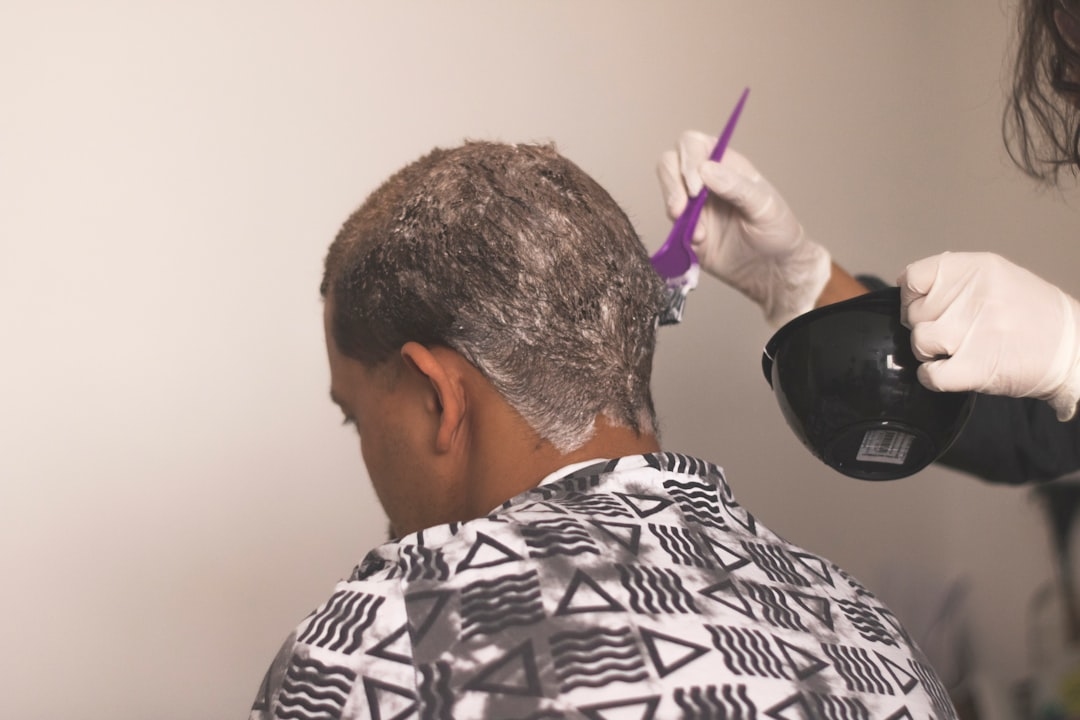
If you’re changing from one colour family to another, understanding colour theory prevents expensive correction work later. When going from dark to light, you need to lift colour gradually—typically involving 2-4 sessions spaced 2-3 weeks apart. The cost ranges from £85-£200 per session at mid-range UK salons, with premium London salons charging £250-£400 per session.
Going from light to dark is simpler and faster. A single session costs £45-£120 at most salons. However, light hair often requires toning before dark colours apply evenly, adding £30-£60 to the final cost.
Natural hair coverage depends on your starting shade and target colour. 50% grey hair typically needs a permanent colour (lasting 4-6 weeks before regrowth shows). 75%+ grey hair often requires stronger formulations for optimal coverage.
Maintenance Requirements: What You Need to Know Before Committing
Different colours demand different care levels, which should factor into your decision about what hair colour suits your lifestyle.
Ash tones and cool-toned colours fade rapidly without purple-toning shampoo (£8-£18 per bottle). You’ll need to use it twice weekly to maintain colour for 4-6 weeks before a retouch becomes necessary. Blonde colour fades to yellow within 2-3 weeks without proper maintenance.
Warm colours like honey, copper, and gold are more forgiving. They fade to softer versions of themselves, often looking attractive during the fade process. These colours typically last 5-7 weeks before significant fading occurs. Reds and burgundies vary wildly—permanent reds fade faster (3-4 weeks) than semi-permanent versions (which often last through 8-12 washes).

Deep colours like black and dark brown require minimal maintenance. They fade slowly and are forgiving of regrowth. Most people can go 8-12 weeks between retouches without visible regrowth becoming problematic.
Working with a Colourist: Expert Questions to Ask
Rather than showing a picture to your stylist and hoping, have an informed conversation. Bring pictures of colours you love, but ask these specific questions:
- Does this shade match my skin undertone, or will you be adapting it?
- How many sessions will this require if I’m making a dramatic change?
- What’s the cost for full colour plus any additional toning or treatment?
- What maintenance routine will I need at home?
- How will this look as it fades? (Some fades are beautiful; others turn muddy.)
- Will this damage my hair? If so, what’s the treatment plan?
- How often do I need to retouch this colour?
A good colourist will be honest if a shade won’t suit you. They’ll explain why and offer alternatives that achieve your desired look while flattering your features. This conversation, worth 15-20 minutes, can save you £200+ in failed colour corrections.
Common Mistakes When Choosing Hair Colour
Several predictable errors derail even well-intentioned colour choices. First, choosing colours purely based on what looks good on others. Your friend’s gorgeous caramel blonde might turn you yellow because of different skin undertones—be sceptical of “this looks amazing on you, get it too” recommendations.
Second, ignoring the “fade map”—how your colour will look as it fades. Some colours fade predictably and beautifully. Others turn brassy, orange, or muddy. Ask your stylist specifically about this before committing.
Third, assuming your natural hair colour is your best option. For many people, a shade lighter or slightly different in tone transforms their appearance. You don’t need a dramatic change—often a subtle shift (one level lighter, or one family warmer/cooler) delivers noticeable improvement.
Fourth, neglecting hair health in pursuit of perfect colour. Bleaching damages hair, especially if you have fine or previously coloured hair. Discussing a toner instead of bleach, or less frequent full coverage, protects your hair’s integrity. Damaged hair shows colour poorly and looks dull.
Budget-Friendly Options: Full Colour vs. Partial Colour
Full-head colour costs £55-£150 at high-street salons, £150-£300 at mid-range salons, and £250-£450 at premium salons. This covers all-over colour application.
Partial techniques cost less and often look more sophisticated. Balayage (hand-painted highlights) costs £45-£120 at high-street salons, £120-£280 at mid-range, and £200-£400 at premium salons. Rooted colour (darker root shadow with lighter lengths) costs £65-£140 at high-street salons, £140-£280 at mid-range, and £220-£380 at premium salons. These techniques require less frequent maintenance and allow you to test colour before committing to full coverage.
Temporary options exist too. Semi-permanent colour costs £25-£50 and lasts 8-12 washes, perfect for testing shades before permanent commitment. Hair chalk and temporary colours (£5-£12) offer risk-free experimentation.
Digital Tools and Professional Shade Consultation
Most UK salons now use digital shade matching tools (like Wella Color Charm or Schwarzkopf) that preview your colour before application. These aren’t perfect but offer confidence about general suitability. Schwarzkopf’s online shade matcher, for instance, asks questions about skin tone and eye colour, then recommends shades with shade samples.
Before your appointment, upload a clear photo to your salon’s website or take one to your appointment showing your current hair, skin tone, and eye colour in natural light. This prevents colour choices made under harsh fluorescent salon lighting.
FAQ: Your Hair Colour Questions Answered
What hair colour suits pale skin with cool undertones?
Platinum blonde, ash brown, cool black, and cool-toned caramel are ideal. Avoid warm golds and coppers, which can make cool-toned fair skin appear sallow.
Can I wear warm hair colours with cool undertones?
Technically yes, but they’ll clash with your natural colouring and can make you appear tired or older. A colourist might adapt a warm tone by adding cool pigments, but this defeats the purpose. Work with your natural undertone rather than against it.
How often should I colour my hair?
This depends on your colour and how it fades. Full colour typically needs refreshing every 4-8 weeks. Balayage and rooted colours can go 8-12 weeks. Root touch-ups cost £30-£70, less than full-head colour, so ask if this option works for your style.
Will colouring damage my hair?
All permanent colour involves some chemical processing. However, single-process colour (one-step application) is gentler than multi-step bleaching. Semi-permanent colours cause minimal damage. Discuss damage risk with your colourist—they can recommend protective treatments like Olaplex (£30-£40 per treatment) that minimise damage.
What if the colour isn’t what I expected?
Reputable salons offer colour corrections within 48 hours at no extra charge if the result differs from the agreed shade. Get this policy in writing before your appointment. Avoid at-home correction—professional colour correction costs £80-£200 but beats attempting a fix that causes more damage.
Taking Action: Your Next Steps
Finding what hair colour suits you isn’t complex once you understand your undertones, skin depth, and eye colour. The real work happens in preparation. Before your next appointment, identify your undertone using the vein test, gather photos of colours you love, and have a specific conversation with your stylist about suitability rather than aesthetics alone.
If you’re nervous about commitment, start with a semi-permanent colour (£25-£50) or partial technique like balayage (£45-£120). These options let you test a shade with minimal financial and aesthetic risk. You’ll learn what suits you far better through experience than through reading alone.
The best hair colour is one that makes you feel confident and looks healthy. Sometimes that’s your natural colour, optimised with the right cut and care. Sometimes it’s a deliberate shift that highlights features you want to emphasise. Either way, basing your choice on undertones, skin depth, and eye colour rather than trends or others’ opinions means you’ll actually be happy with the result—and keep it for more than six months.