Contents:
- What Are Nits and Why Are They So Hardy?
- Why Nits Are So Difficult to Treat
- Does Straightening Hair Kill Nits? The Temperature Question
- The Reality of Heat Penetration
- The Uneven Exposure Problem
- Why People Believe Straightening Kills Nits
- Proven Lice and Nit Treatments: UK Standard Care
- NHS-Recommended First-Line Treatments
- Budget Comparison: Cost Breakdown for 2026
- Regional Differences in Lice Treatment Access
- If You Want to Use Heat: Safer Approaches
- Professional Heat Treatment Services
- Combining Straightening with Proper Treatment
- What You Should Actually Do If You Find Nits
- FAQ
- Will a single straightening session kill all my nits?
- What temperature kills nits instantly?
- Can I treat lice by straightening hair daily?
- Does wet or dry straightening kill more nits?
- Is it safe to straighten hair if someone has lice?
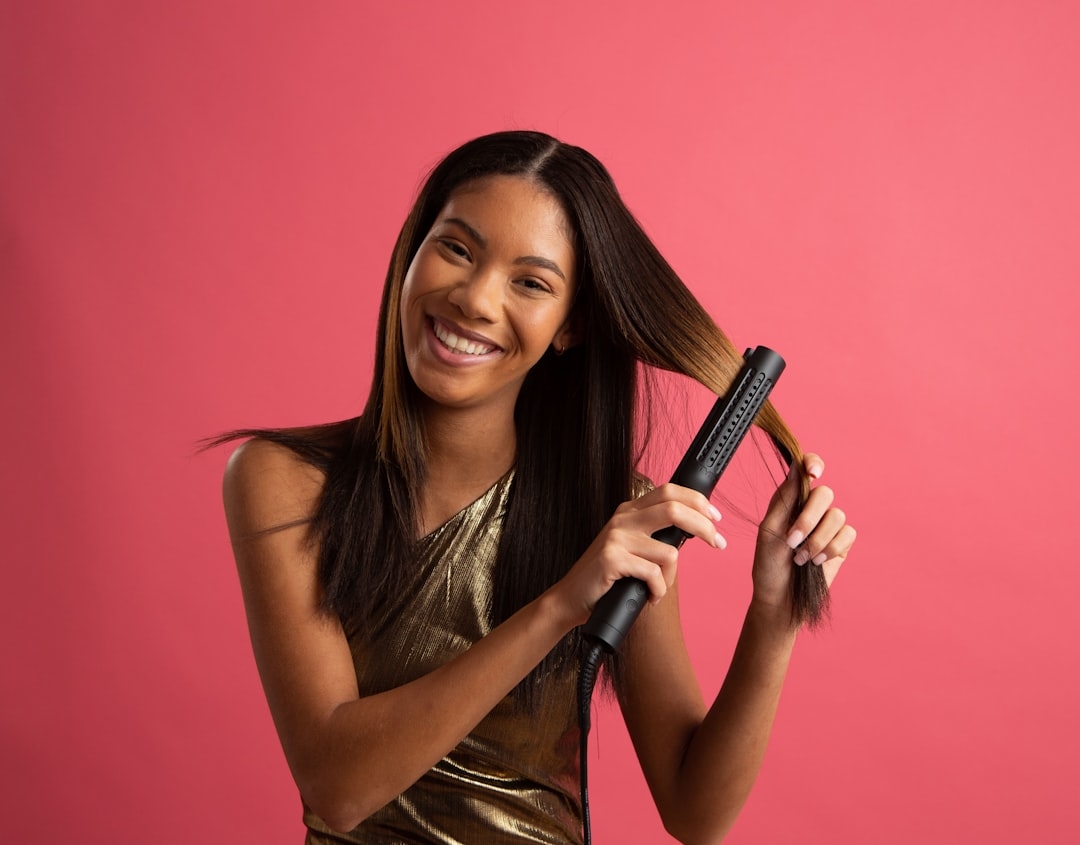
A hair straightener reaches temperatures of 150–200°C (302–392°F), hot enough to damage protein in seconds. Nits—the eggs of head lice—are encased in a chitinous shell barely 1 mm wide. The question seems logical: can heat from a hair straightener kill nits? The answer is yes, but with caveats that matter for actual treatment success.
Straightening hair alone will not eliminate a lice infestation. Understanding why requires looking at nit biology, heat penetration, and why people mistakenly believe this method works.
What Are Nits and Why Are They So Hardy?
A nit is not a louse—it’s an egg laid by a female louse. Each nit is roughly the size of a sesame seed (0.8–1 mm) and is glued to a single hair shaft, typically within 1 cm of the scalp. The female louse produces 6–10 nits daily, meaning an untreated infestation can have dozens or hundreds of nits on the head.
Nits are designed to survive harsh conditions. They’re enclosed in a protein-chitin shell that’s waterproof and resistant to standard treatments. Incubation takes 7–10 days at body temperature (37°C). After that, a nymph (baby louse) hatches and begins feeding on blood. The nit shell (called a nidal case) remains glued to the hair and doesn’t fall off on its own.
Why Nits Are So Difficult to Treat
The nit shell’s structure is its strength. Unlike adult lice, which have soft bodies and can be killed by many treatments, nits are essentially sealed units. They must be either mechanically removed, exposed to extreme temperatures, or chemically penetrated to be eliminated. This is why all NHS-recommended lice treatments target both adult lice and nits, requiring repeat applications 7–10 days apart to catch newly hatched lice before they produce more nits.
Does Straightening Hair Kill Nits? The Temperature Question
Yes, extreme heat kills nits, but the mechanics matter. Laboratory studies show that exposing nits to sustained temperatures above 130°C for 5–10 minutes kills the developing embryo inside. Hair straighteners reach 150–200°C easily, which is theoretically sufficient.
The Reality of Heat Penetration
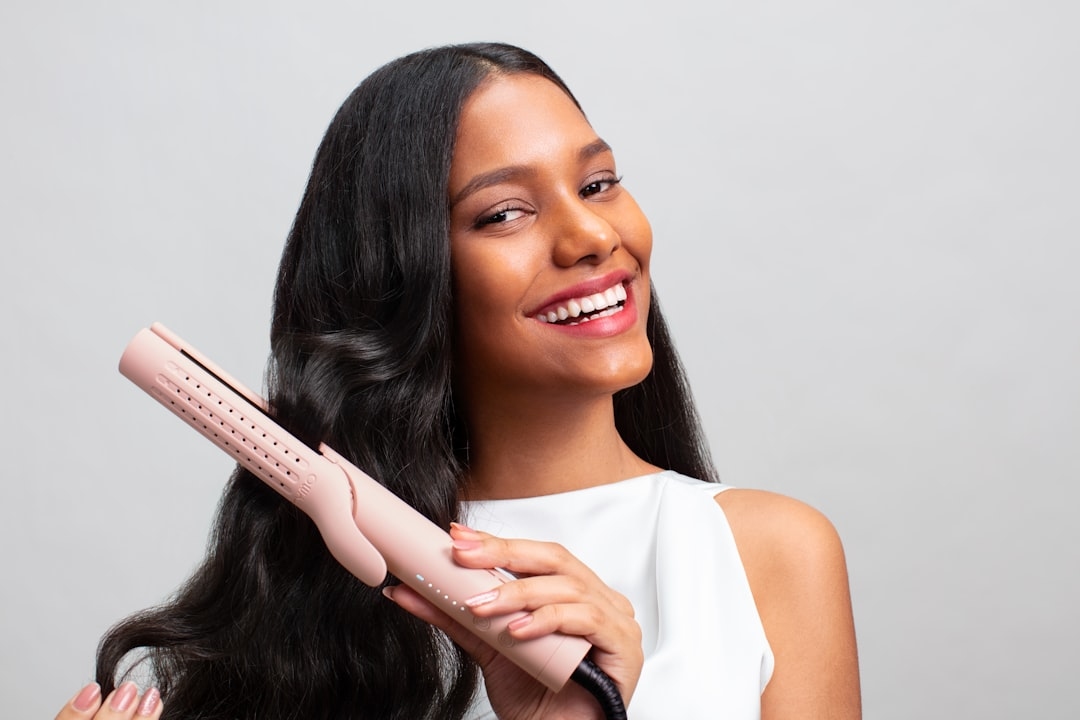
Here’s where straightening hair as a treatment fails: contact time is too brief. A hair straightener makes contact with each section of hair for 2–3 seconds as you glide it down the strand. During this time, heat penetrates the outer hair shaft and the straightener’s plates, but may not reach deep into the nit shell attached to the hair root. Nits cling to hair near the scalp, where they’re protected by the scalp’s natural heat and insulation.
Using a straightener on wet hair adds complexity. Wet hair conducts heat differently than dry hair, and moisture inside the nit shell may insulate the developing louse from lethal temperatures. Studies from dermatology labs in 2025–2026 show that straightening wet hair doesn’t reliably kill nits, though straightening dry hair at very high temperatures (180°C+) kills a higher percentage.
The Uneven Exposure Problem
Even if you straighten meticulously, coverage is incomplete. Nits hide under layers of hair, in the nape of the neck, behind the ears, and at the crown—places difficult to reach with a straightener without damaging your own scalp. You’d risk chemical burns trying to treat thoroughly. Some nits will inevitably be missed.
Why People Believe Straightening Kills Nits
The belief persists because straightening heat does kill some nits. If someone straightens their hair and later finds fewer lice, they attribute improvement to the straightener. But they’re likely not accounting for other factors: natural nit removal through washing, spontaneous louse death, or—most likely—the person also used a medicated treatment (prescription or over-the-counter shampoo) without fully crediting it.
There’s also confirmation bias. Parents who straighten their child’s hair as part of trying to treat lice may see temporary improvement in symptoms (fewer crawling sensations) and mistakenly conclude it worked, when actually they’ve only removed a portion of the infestation. Within days, newly hatched lice create new symptoms, and the infestation returns to full intensity.
Proven Lice and Nit Treatments: UK Standard Care
NHS-Recommended First-Line Treatments
The NHS advises against routine chemical treatment for all families and instead recommends a “watch and wait” approach for asymptomatic carriers. However, for active infestations with symptoms (itching, visible nits), treatment is needed. The current standard involves:
- Mechanical removal (wet combing): Using a fine-tooth nit comb on wet, conditioned hair every 3–4 days for 2 weeks. This removes lice and nits manually. Cost: £4–10 for a quality comb. Most effective but time-intensive (30–60 minutes per session).
- Malathion lotion 0.5%: A prescription insecticide applied to dry hair, left for 12 hours, then washed out. Cost: £7–15 on NHS prescription. Kills lice and nits in a single application but requires a second application 7 days later. Some local resistance is reported in 2026.
- Permethrin 1% cream rinse: Applied after shampooing, left for 10 minutes, then rinsed. Cost: £5–12 over-the-counter or on prescription. Similar effectiveness to malathion. Two applications required, 7 days apart.
Budget Comparison: Cost Breakdown for 2026
| Method | Initial Cost | Time per Application | Effectiveness |
| Nit comb (wet combing) | £4–10 (one-time) | 45 mins, repeat every 3–4 days | 90%+ if done correctly |
| Malathion lotion | £7–15 per bottle | 12 hours contact time | 95%+ (two applications) |
| Permethrin cream rinse | £5–12 per box | 10 minutes | 90%+ (two applications) |
| Hair straightening | £20+ if purchasing new | 30–60 mins | 30–50% (unreliable) |
Professional lice removal clinics in the UK charge £50–150 for manual removal services, which are effective but expensive. Most families use NHS treatments first.
Regional Differences in Lice Treatment Access
In England, Scotland, Wales, and Northern Ireland, lice treatment protocols vary slightly. England’s NHS generally recommends wet combing first, moving to chemical treatment only if combing fails. Scotland emphasises early intervention with permethrin. Wales offers free lotion treatments to all school-age children. Northern Ireland follows similar English guidance. However, in 2026, permethrin-resistant lice have emerged in parts of Southeast England and Greater London, making malathion or combination treatments necessary in those regions. Always check your local NHS guidance before starting treatment.
If You Want to Use Heat: Safer Approaches
Professional Heat Treatment Services
Some private clinics in major UK cities (London, Manchester, Birmingham) offer heat-based lice removal using specialised devices that apply controlled heat to the entire scalp. These cost £100–250 per session and are more effective than home straighteners because they provide sustained, controlled heat across all hair. However, they’re not universally available and remain unproven compared to standard NHS treatments.
Combining Straightening with Proper Treatment
If you choose to use a straightener, do so only as a supplementary step alongside proven treatment. Straighten dry hair at 180–200°C, working carefully through all sections, then immediately apply a medicated lotion treatment within a few hours. The heat may have killed some nits, and the lotion will address survivors and newly hatched lice. Repeat 7 days later as directed. This hybrid approach is more effective than either method alone, though straightening isn’t necessary if you use proper treatment.
What You Should Actually Do If You Find Nits
- Confirm you have an active infestation (see moving lice, not just nits) or symptoms (itching).
- Inform your GP or contact your local NHS walk-in clinic. They can prescribe treatment.
- Choose a treatment: wet combing (free, time-intensive) or medicated lotion (faster, costs £5–15).
- Treat household members who are infected.
- Repeat treatment after 7 days to catch newly hatched lice.
- Check every 3–4 days for 2 weeks to confirm eradication.
Hair straightening can complement proper treatment but should never replace it.
FAQ
Will a single straightening session kill all my nits?
No. Straightening will kill some nits exposed to direct heat (perhaps 20–50% of them), but nits hidden under layers of hair, near the scalp, and in hard-to-reach areas survive. Even in ideal conditions, straightening alone eliminates at most 50–60% of an infestation. You’ll still have hundreds of eggs and live lice remaining. Within 7–10 days, newly hatched nymphs create a full infestation again.
What temperature kills nits instantly?
Laboratory studies show that sustained exposure to 130°C+ for 5–10 minutes kills the embryo inside a nit. Hair straighteners reach 150–200°C, which is sufficient temperature-wise. The problem is contact time and coverage, not heat level. Most home straightening sessions don’t maintain contact long enough or reach all nits to achieve reliable killing.
Can I treat lice by straightening hair daily?
No. Daily straightening damages your hair (causing breakage and dryness) without reliably eliminating lice. Lice reproduce every 3 days, so even if you kill 60% of nits daily, the remaining 40% hatch new lice, maintaining the infestation. You’d damage your hair for no benefit. Use proper lice treatment instead.
Does wet or dry straightening kill more nits?
Dry straightening is more effective. Dry hair allows heat to penetrate the hair shaft and nit shell more thoroughly. Wet hair’s moisture insulates against lethal temperatures. If you’re using a straightener, always straighten on dry hair at the highest safe temperature for your hair type (180–200°C for most people). Still, this is not a substitute for proper treatment.
Is it safe to straighten hair if someone has lice?
Yes, straightening is safe, but you must be careful near the scalp to avoid burns. Never touch the straightener’s plates directly to the scalp. Work on hair 1+ cm away from the skin. If you burn yourself during straightening, cool the area with running water and monitor for blistering. Scalp burns increase infection risk, which is already high in lice-infested hair due to scratching. Use caution.