
Contents:
- Understanding Rosemary Oil and Hair Health
- Can You Use Rosemary Oil Every Day?
- For Fine or Thin Hair
- For Thick or Curly Hair
- For Oily or Combination Scalps
- Proper Dilution Methods for Frequent Use
- Seasonal Timeline for Rosemary Oil Treatment
- Signs That Daily Use Isn’t Working for You
- Sustainability and Ethical Sourcing
- Practical Application Tips
- Who Should Avoid Daily Rosemary Oil Use
- Complementary Treatments to Enhance Results
- Frequently Asked Questions
- Can rosemary oil cause hair loss if used too frequently?
- How long does rosemary oil take to show visible results?
- Can I mix rosemary oil with other essential oils for daily use?
- What’s the difference between rosemary essential oil and rosemary-infused oil?
- Will daily rosemary oil use interfere with hair colouring or treatments?
You’ve just finished washing your hair, and you’re standing in front of the mirror wondering whether that bottle of rosemary oil sitting on your shelf could become part of your daily routine. Sound familiar? You’re not alone. Thousands of UK households are discovering the benefits of natural oils, and rosemary oil has become a staple in bathroom cabinets across the country.
Understanding Rosemary Oil and Hair Health
Rosemary oil has been used in traditional hair care for centuries, and modern research supports some of these claims. A 2015 study comparing rosemary oil to minoxidil found that both showed similar effectiveness for hair growth stimulation, with rosemary oil showing promising results without the side effects reported by some minoxidil users.
The oil contains compounds like cineol, camphor, and pinene that may improve scalp circulation and create a healthier environment for hair growth. However, rosemary oil is concentrated and potent. Using it pure directly on your scalp can cause irritation, dryness, or sensitisation in some individuals.
Can You Use Rosemary Oil Every Day?
Technically, yes—but practically, it depends on several factors. The frequency that works for you depends on your hair type, scalp condition, and how you’re applying the oil.
For Fine or Thin Hair
If you have fine hair, daily rosemary oil application is usually too much. Even diluted oil can accumulate on the scalp and make hair look limp and lifeless. Two to three times per week is more appropriate, applied specifically to the scalp and roots rather than the entire length of your hair.
For Thick or Curly Hair
Thicker hair types with natural curl patterns can generally tolerate more frequent application. You might use diluted rosemary oil 3-4 times weekly, or even daily if you’re only using 1-2 drops mixed into your leave-in conditioner. The key is starting conservatively and adjusting based on how your scalp responds.
For Oily or Combination Scalps
People with naturally oily scalps should limit rosemary oil to once or twice weekly, as daily application will likely exacerbate greasiness. If your scalp tends to produce excess sebum, you’re better served by using rosemary oil treatments spaced out over the week.
Proper Dilution Methods for Frequent Use
If you’re interested in using rosemary oil more frequently, correct dilution is non-negotiable. Never apply pure essential oil directly to your scalp or hair.
Basic dilution ratio: Mix 2-3 drops of rosemary essential oil with 15ml of carrier oil (coconut, jojoba, or argan oil are excellent choices). This creates a 0.7-1% dilution, which is safe for regular use.
For leave-in treatments, you can add 1-2 drops of rosemary oil to 30ml of your regular conditioner or leave-in spray. This gives you the benefits without the intensity of undiluted application.
Seasonal Timeline for Rosemary Oil Treatment
Your hair’s needs change throughout the year, and your rosemary oil routine should adapt accordingly.
- Autumn (September-November): Increase frequency to 2-3 times weekly as your scalp begins to dry out in response to heating systems and temperature changes. This is an ideal time to establish a consistent routine before winter.
- Winter (December-February): Maintain 2-3 times weekly application. Central heating dries out both scalp and hair strands. Rosemary oil’s circulation-boosting properties help counteract winter damage.
- Spring (March-May): Reduce to once or twice weekly as your hair naturally begins to rebalance. Your scalp produces more natural oils as temperatures rise. This season is perfect for reassessing whether daily use suits you.
- Summer (June-August): Limit to once weekly or consider taking a break. Higher humidity and sun exposure can make hair more prone to accumulation. If you do use rosemary oil in summer, apply it 12 hours before shampooing.
Signs That Daily Use Isn’t Working for You
Your hair will tell you if you’re overdoing it. Watch for these warning signs:
- Hair looks greasy or lacklustre within 24 hours of application
- Scalp feels tight, itchy, or uncomfortable
- Hair begins to look flat or loses its usual volume
- You notice increased hair shedding (more than 100 hairs daily)
- Scalp develops redness or flaking
If you experience any of these, reduce frequency immediately and give your scalp a 1-2 week break before reintroducing rosemary oil at a lower frequency.
Sustainability and Ethical Sourcing
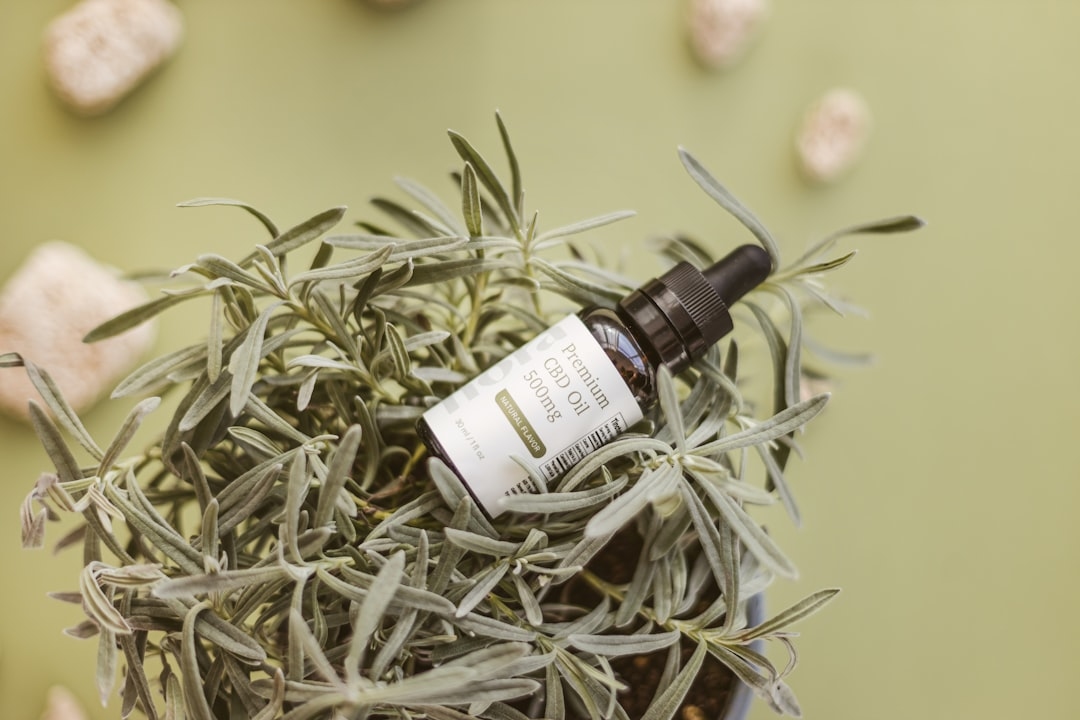
If you’re planning to use rosemary oil regularly, sourcing matters. Look for UK-based suppliers or companies that prioritise sustainable harvesting. Spain produces over 70% of the world’s rosemary, and purchasing from suppliers with fair-trade certification supports responsible agricultural practices.
Consider growing your own rosemary if you have garden space or even a sunny windowsill. Fresh herbs are free from processing chemicals, and you’ll always have supply on hand. A single rosemary plant costs £3-8 from most UK garden centres and will provide cuttings for infusing into carrier oils.
Practical Application Tips
The scalp massage method: Dilute your rosemary oil in a carrier oil and apply directly to your scalp using your fingertips. Massage in circular motions for 2-3 minutes to increase blood flow. Leave it on for 20-30 minutes before shampooing, or overnight for a deeper treatment.
The spray method: Mix 3-4 drops of rosemary oil with 100ml of water in a spray bottle and apply to damp scalp throughout the day. This method uses much less oil and is perfect if you want daily benefits without heavy product buildup.
The conditioner blend: Add 2-3 drops to your regular conditioner each time you shower. This distributes the oil evenly through your hair and scalp without the commitment of a dedicated treatment.
Who Should Avoid Daily Rosemary Oil Use
Certain groups should be cautious about frequent rosemary oil application:
- Pregnant or breastfeeding women (rosemary is considered safe but consult your GP first)
- People with sensitive, reactive scalps or conditions like eczema or psoriasis
- Anyone with known allergies to plants in the Lamiaceae family (mint, basil, oregano)
- Those currently taking medications that affect scalp health or circulation
Complementary Treatments to Enhance Results
If you’re using rosemary oil regularly, combine it with these practices for better outcomes:
- Scalp massage with a silicone brush (improves circulation regardless of oils used)
- Weekly deep conditioning treatments with products containing nourishing proteins
- Biotin-rich foods in your diet: eggs, almonds, and salmon support hair strength from within
- Silk pillowcases to reduce friction and breakage between oil treatments
Frequently Asked Questions
Can rosemary oil cause hair loss if used too frequently?
Excessive rosemary oil won’t cause hair loss directly, but using it daily on sensitive scalps can lead to irritation or inflammation, which may increase shedding temporarily. If this happens, stop use and allow your scalp to recover for 2 weeks.
How long does rosemary oil take to show visible results?
Most people notice improved scalp health within 4-6 weeks of consistent use (2-3 times weekly). Hair growth improvements typically become visible after 3-4 months of regular application, as the hair growth cycle takes time.
Can I mix rosemary oil with other essential oils for daily use?
Yes, but carefully. Lavender and peppermint oils pair well with rosemary and add complementary benefits. Keep total essential oil content to 3-4 drops per 15ml carrier oil, regardless of the blend you choose.
What’s the difference between rosemary essential oil and rosemary-infused oil?
Essential oil is highly concentrated and requires dilution. Rosemary-infused oil is already diluted in a carrier oil (like coconut or jojoba) and is gentler for direct application. You can use infused oil more frequently—even daily—without additional dilution.
Will daily rosemary oil use interfere with hair colouring or treatments?
No, but pause oil treatments 3-4 days before colouring to avoid build-up on the hair shaft, which can prevent even colour absorption. Resume treatments the day after colouring once the colour has fully set.