Contents:
- Defining Bangs: The Basics
- The Primary Types of Bangs
- Blunt Bangs
- Wispy or Feathered Bangs
- Side-Swept Bangs
- Curtain Bangs
- Choosing Bangs for Your Face Shape
- Common Mistakes to Avoid
- Maintaining Your Bangs Between Salon Visits
- Budget Breakdown: Cost of Living with Bangs
- A Real Experience: Jenna’s Bang Journey
- Is Getting Bangs the Right Choice for You?
- FAQ
- What’s the difference between bangs and fringe?
- Can you get bangs with curly hair?
- How often do bangs need trimming?
- What face shapes suit bangs best?
- Can you grow out bangs and remove them?
Defining Bangs: The Basics
Bangs are hair strands cut significantly shorter than the rest of your hair, typically falling across your forehead and above your eyebrows. The term “bangs” is predominantly used in America; in the UK, Australia, and most of Europe, they’re called “fringe.” Regardless of terminology, bangs fundamentally change your face’s proportions and frame your features in ways longer hair cannot. Understanding what bangs in hair are and how they work helps you decide whether they suit your face shape, lifestyle, and styling commitment.
The origins of bangs trace back to 1920s fashion, when the “flapper” style popularised short, blunt bangs across the forehead. Today, they’ve evolved into numerous styles suited to different aesthetics, hair types, and personal preferences. Bangs aren’t just a passing trend—they’re a deliberate styling choice that requires understanding to maintain successfully.
The Primary Types of Bangs
Blunt Bangs
Blunt bangs are cut straight across your forehead in a horizontal line, typically ending just above your eyebrows. They’re the most dramatic and statement-making bang style. Blunt bangs work well on people with straight hair and even foreheads. Wavy or curly hair can make blunt bangs look uneven unless you’re willing to blow-dry them straight daily.
Blunt bangs require maintenance every 4–6 weeks at a UK salon (costing £12–£20 for a trim) to maintain their sharp, defined edge. Between appointments, they can look shaggy or overgrown, making this style high-maintenance for budget-conscious readers.
Wispy or Feathered Bangs
Wispy bangs are longer than blunt versions, typically brushing your eyebrows rather than sitting above them. They’re cut with texture and layers, creating a softer, more forgiving appearance. Multiple strands fall at different lengths rather than a single uniform line, making them naturally forgiving if your hair is wavy or curly.
Wispy bangs require less frequent trimming (every 6–8 weeks) and look intentionally textured rather than requiring perfect bluntness. They suit most face shapes and hair types, making them ideal for first-time bang wearers unsure of commitment.
Side-Swept Bangs
Side-swept bangs (sometimes called “side fringe”) are longer on one side of your face and shorter on the other, creating an asymmetrical, dramatic effect. They sweep across your forehead rather than falling straight down, suiting people who want bangs without the full frontal commitment.
Side-swept bangs are versatile—you can tuck them behind your ear if you want them out of your face, wear them swept to either side, or let them fall naturally. This flexibility appeals to people with variable lifestyles or professions where consistent bang styling might be inconvenient.
Curtain Bangs
Curtain bangs part naturally in the centre and frame both sides of your face, leaving your forehead partially visible. They’re longer than traditional bangs, typically extending to chin level or longer. This style gained massive popularity from 2023 onwards and remains current in 2026.
Curtain bangs suit almost any face shape and hair type because they don’t cover your entire forehead—they frame it instead. They require minimal maintenance (trimming every 8–10 weeks) and can be styled multiple ways, making them the most forgiving bang option for commitment-hesitant readers.
Choosing Bangs for Your Face Shape
Your face shape significantly affects how flattering bangs appear. Round faces benefit from longer bangs (curtain or side-swept) that elongate. Square faces suit softer, wispy bangs that soften angular features. Oval faces can wear nearly any bang style successfully. Heart-shaped faces (wider at forehead) benefit from longer, side-swept styles that don’t emphasize forehead width.
Consult a hairstylist during consultation before committing. Quality salons (£30–£50 consultation fee) analyse your face shape, hair texture, and lifestyle to recommend bangs that’ll actually suit you. This small investment prevents regret and expensive correction later.
Common Mistakes to Avoid
- Getting bangs on impulsive whim: Take 2–4 weeks to seriously consider bangs. Look at photos of people with your face shape wearing similar styles. Sleep on the decision.
- Cutting bangs yourself: DIY bang cutting frequently results in uneven, too-short, or unsuitably blunt cuts. Paying £15–£20 for professional cutting saves £200+ in correction costs.
- Choosing bangs incompatible with your hair texture: Thick, wavy, or curly hair cannot sustain blunt bangs without daily blow-drying. Choose wispy, feathered, or curtain styles instead.
- Ignoring maintenance requirements: Bangs require trimming every 4–8 weeks. If you’re unwilling to commit to this, don’t get bangs. They’ll look shabby and unkempt otherwise.
- Assuming bangs solve other hair problems: Bangs don’t fix damage, thinning, or poor hair health. Address underlying hair issues first, then consider bangs if your hair is in good condition.
Maintaining Your Bangs Between Salon Visits
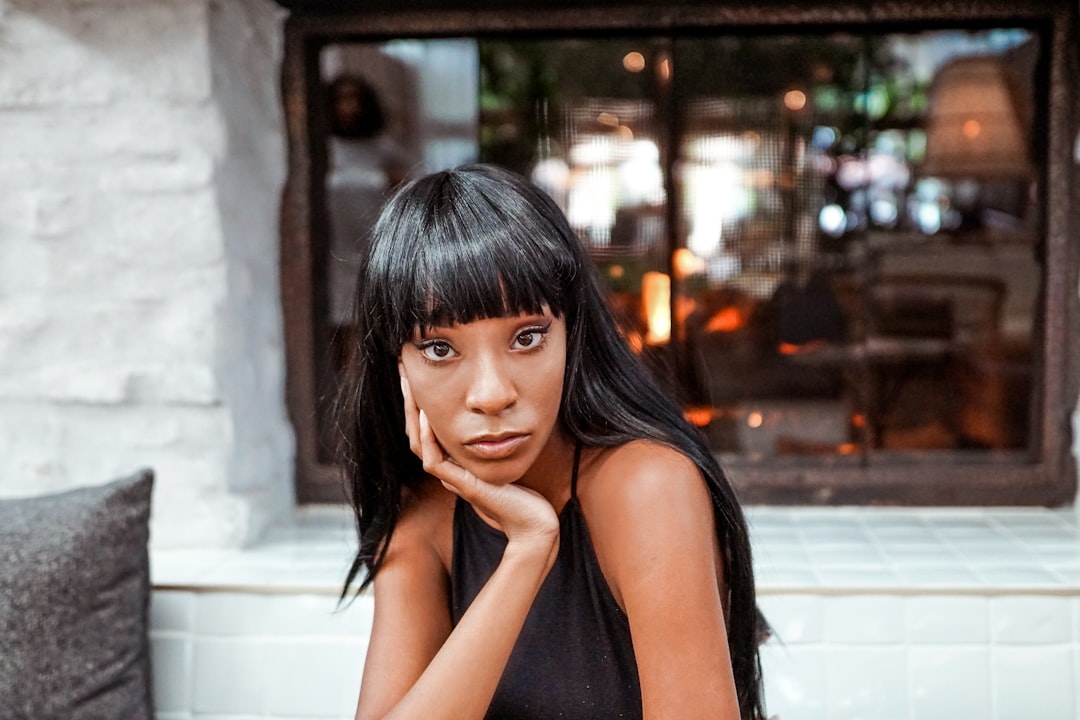
Bangs require more maintenance than longer hair. Between salon appointments, maintain your bangs with these practices:
- Blow-dry bangs straight each morning if you have texture. Damp bangs look limp and unruly.
- Use a round or paddle brush to smooth bangs while blow-drying.
- Avoid touching bangs throughout the day—oils from your fingers transfer to bangs, making them look flat and greasy.
- If bangs feel overgrown between trims (typically around week 6), use small, sharp scissors to trim just the longest strands. Only cut ¼-inch increments to avoid going too short.
- Apply a light hairspray after styling to hold bangs in place, particularly if you have wavy hair.
Budget Breakdown: Cost of Living with Bangs
Annual bang maintenance costs:
- Salon trims: 6–8 trims yearly at £12–£20 each = £72–£160 annually.
- Blow-dry styling products: £10–£20 annually if already buying these anyway.
- Hairspray or texturising products: £5–£10 annually.
- Total estimated cost: £87–£190 per year for bang maintenance.
This is manageable for most UK readers. Compare to single major salon treatments (balayage, keratin, etc.) costing £100–£300, and bang maintenance is genuinely affordable long-term.
A Real Experience: Jenna’s Bang Journey
Jenna, a 32-year-old from Bristol, spent months wanting bangs before finally committing in early 2026. She was nervous about commitment, worried they’d look terrible, and uncertain about maintenance. Her hairstylist recommended wispy curtain bangs suited to her wavy hair and round face. Within one week, Jenna loved them. “I thought they’d be high-maintenance, but honestly, I just blow-dry them straight while doing my makeup,” she reports. “They’ve become my favorite part of my hair, and the £16 trims every 8 weeks are totally worth it. I wish I’d done this years ago.” Her experience reflects that bangs, when chosen thoughtfully and maintained consistently, deliver genuine impact and satisfaction.
Is Getting Bangs the Right Choice for You?
Get bangs if you’re willing to trim them every 4–8 weeks and style them consistently. Skip bangs if you’re unwilling to commit to maintenance or if your hair texture resists styling. Your lifestyle and genuine interest matter more than trends. What are bangs in hair ultimately? A styling commitment that transforms your appearance when done right and requires consistency to maintain successfully.
FAQ
What’s the difference between bangs and fringe?
In the UK and most countries, “fringe” is the correct term. “Bangs” is American English. They refer to the same thing: hair cut short across your forehead. Usage varies by region, but both terms describe identical hairstyles.
Can you get bangs with curly hair?
Yes, but choose wisely. Blunt bangs look uneven on curly hair unless blow-dried straight daily. Wispy, feathered, or curtain bangs work beautifully on curly hair without requiring daily styling, making them ideal choices.
How often do bangs need trimming?
Blunt bangs need trimming every 4–6 weeks to maintain their sharp edge. Wispy, feathered, and curtain bangs can go 6–8 weeks between trims. Budget approximately £12–£20 per trim at UK salons.
What face shapes suit bangs best?
Oval and heart-shaped faces suit almost any bang style. Round faces benefit from longer, side-swept, or curtain bangs that elongate. Square faces suit softer, wispy bangs that soften angular features. Consult a hairstylist about your specific face shape.
Can you grow out bangs and remove them?
Yes. Growing out bangs takes 6–12 months depending on your hair growth rate and bang length. During growth, side-sweep them or style them to the side. Once long enough, blend them into your regular haircut or wear them as face-framing layers instead of a distinct bang style.