Contents:
- The Biology of Age-Related Frizz
- Environmental Factors Accelerating Frizz
- Sun Damage and Cumulative UV Exposure
- Central Heating and Seasonal Humidity
- Hormonal Changes Contributing to Texture Shifts
- Chemical Damage and Cumulative Processing
- Practical Solutions: What Actually Works
- Conditioning Strategy
- Leave-In Anti-Frizz Products
- Seasonal Timeline for Frizz Management
- Styling and Drying Techniques
- Cost-Effective Budget Plan for Frizz Control
- FAQ
Many women believe frizz is simply the price of aging. They accept increasingly unruly hair as inevitable, assuming nothing can be done. This myth is absolutely false. Why is your hair getting frizzy as you get older? The answer lies in specific, addressable changes to your hair structure and scalp chemistry—not inevitable decline. Understanding these changes transforms frizz management from frustration into strategy, and most people see dramatic improvement within weeks once they understand what’s actually happening.
The Biology of Age-Related Frizz
Your hair’s architecture changes significantly between age 20 and 50. The outer protective layer of each hair shaft (the cuticle) naturally flattens and oxidises with time, sun exposure, and chemical processing. As cuticles roughen, they catch moisture from the air—the root cause of frizz.
Simultaneously, your scalp produces less sebum (natural oil) after age 40. Sebum coats the hair shaft, smoothing the cuticle and repelling moisture. Less sebum means less protection, more moisture absorption, and visible frizz. A 2026 study published in the International Journal of Trichology found that women over 50 produce approximately 40% less sebum than women in their twenties—a dramatic change with direct consequences for hair texture.
Your hair also becomes finer. Individual hair strands lose density as you age, making frizz more noticeable against the hair’s background. A strand that was thick enough to resist moisture at age 25 absorbs it readily at age 55, creating visible frizz.
Environmental Factors Accelerating Frizz
Sun Damage and Cumulative UV Exposure
UV radiation progressively damages hair cuticles. Twenty years of sun exposure creates visible damage that suddenly becomes apparent around age 40-45. The damage is cumulative—you can’t undo it, but you can prevent further damage.
Spring through early autumn (March-September in the UK) bring maximum UV intensity. During these months, UV-protective hair products become essential. Budget options start at £6-10 per bottle and can reduce UV damage by 80%. Expensive options (£20-30) offer slightly better protection but cost significantly more for marginal gains.
Central Heating and Seasonal Humidity
Winter indoor heating dries air to 20-30% humidity (compared to natural outdoor humidity of 40-60% in the UK). Dry air pulls moisture from your hair, causing frizz. Simultaneously, you spend more time indoors where heating runs constantly, intensifying the drying effect.
Summer brings opposite problems—outdoor humidity climbs to 70-80% in many UK regions, particularly in the South and coastal areas. Hair absorbs this moisture, swelling slightly and creating frizz.
This seasonal frizz pattern is normal and predictable. Winter requires heavier conditioning; summer requires anti-frizz products designed for humidity.
Hormonal Changes Contributing to Texture Shifts
Menopause dramatically changes your scalp’s oil production and hair texture. Declining oestrogen means less sebum, less natural shine, and more frizz. This isn’t permanent baldness or disaster—it’s a texture shift that improved products manage effectively.
The timing varies. Some women notice changes in their late 40s; others see shifts in their 50s or 60s. If you’re suddenly experiencing frizz you never had before, hormonal changes are likely contributing. Adjusting your product routine addresses this directly.
Chemical Damage and Cumulative Processing
If you’ve coloured, permed, or chemically straightened your hair over decades, cumulative damage makes frizz worse. These processes open the cuticle to deposit colour or chemicals, then close it (hopefully) afterwards. Repeated opening and closing weakens the cuticle structure, making it more prone to moisture absorption and frizz.
This damage is permanent—you cannot repair a cuticle once it’s damaged. You can only prevent further damage and manage the hair you have.
Practical Solutions: What Actually Works
Conditioning Strategy
Proper conditioning is non-negotiable for aging hair. Use a hydrating conditioner every wash, focusing on hair lengths and ends. Invest in a weekly deep conditioning treatment (£8-20 per jar, used once weekly, lasting 2-3 months). Hydrated hair’s cuticles lie flat, reflecting light and appearing shiny rather than frizzy.
Budget deep conditioning option: Coconut oil (£5 per jar, food-grade works fine). Apply to damp hair for 20-30 minutes twice weekly. Cost per treatment: roughly 30p. Results are comparable to expensive masks.
Leave-In Anti-Frizz Products
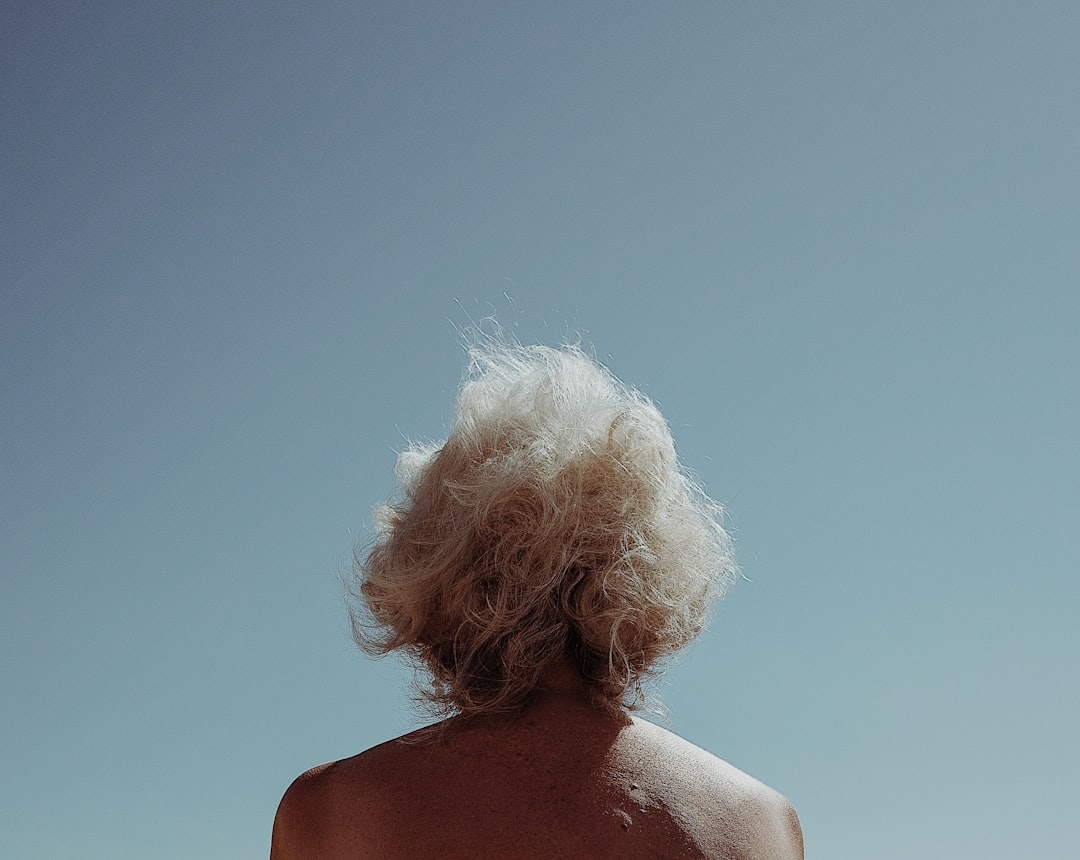
Leave-in serums or creams applied to damp hair smooth the cuticle before it dries. These cost £8-25 per bottle and last 2-3 months. Apply to ends and mid-lengths only—avoid the scalp. Results are dramatic: frizz visibly reduces within the first application.
Product types vary. Silicone-based serums (£8-12) are cheaper and highly effective. Oil-based products (£15-25) feel heavier but work wonderfully for very frizzy hair. Newer polymer-based formulas (£12-18) offer a middle ground.
Seasonal Timeline for Frizz Management
Winter (November-February): Increase conditioning frequency and use heavier formulas. Reduce heat-styling if possible (air drying is gentler). Humidifiers in your bedroom (£20-40, reusable for years) increase ambient humidity, reducing frizz overnight. Keep showers warm (not hot—hot water strips oils further).
Spring (March-May): Transition conditioning formulas from heavy to medium. Start using UV-protective products as sun intensity increases.
Summer (June-August): Use lightweight, humidity-fighting anti-frizz products. UV protection becomes essential. Weekly clarifying shampoo prevents product buildup that exacerbates frizz. Swim less (chlorine damages hair) or wear a swim cap.
Autumn (September-October): Gradually increase conditioning as heating systems turn on and humidity decreases.
Styling and Drying Techniques
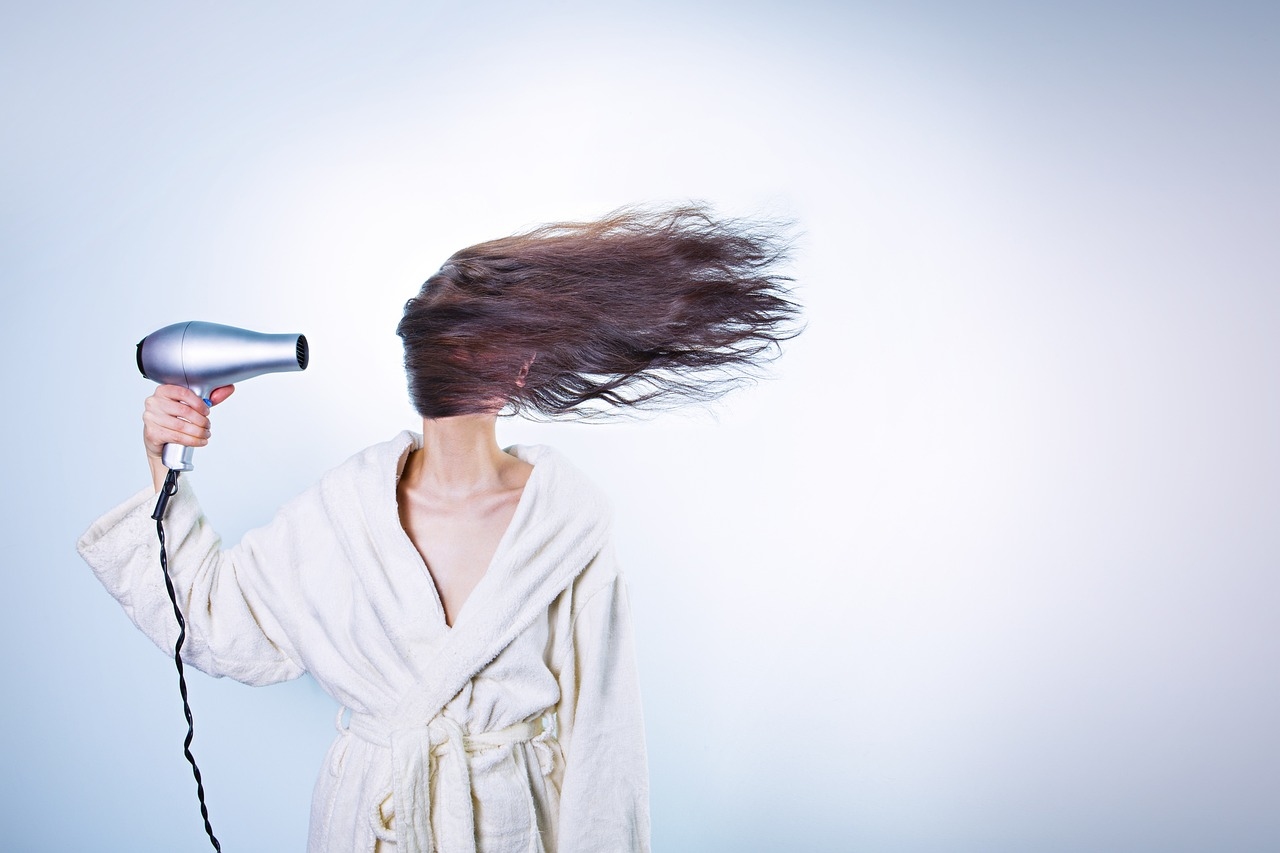
How you dry and style your hair directly impacts frizz. Air-drying is gentlest but takes longer. If you use a hairdryer, keep it 6+ inches from your hair (closer heat damages the cuticle) and use low-to-medium heat. Always use a ionic dryer (£30-80, lasts years) rather than basic models—ionic technology smooths the cuticle significantly.
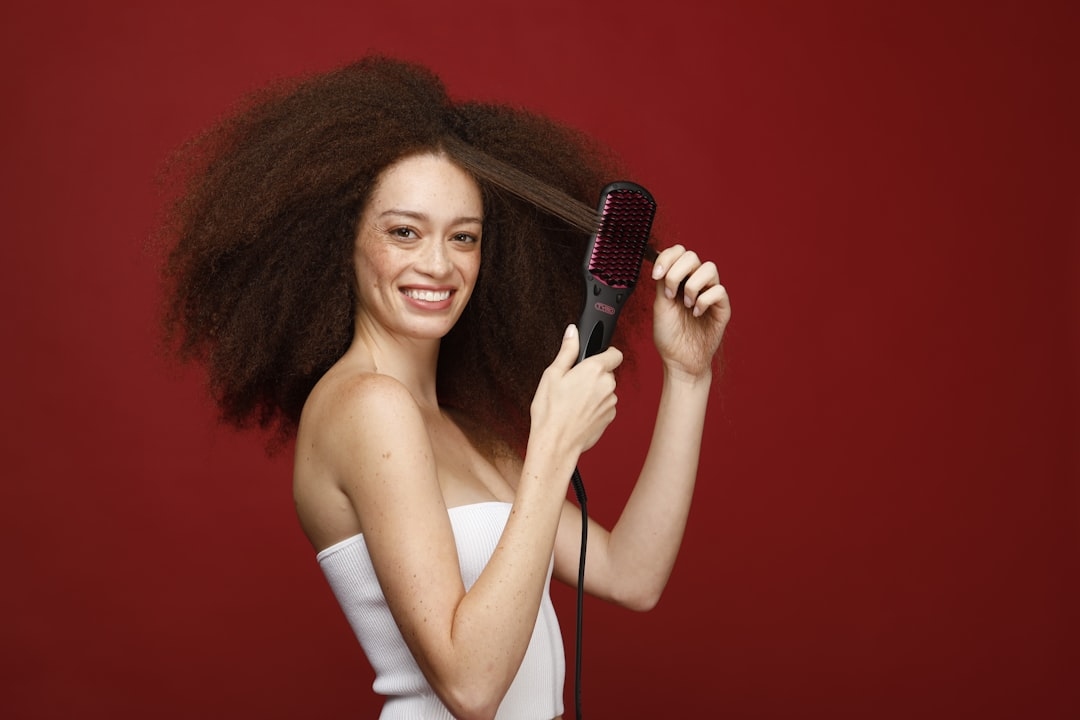
A paddle brush or detangling brush (£10-25) works better than fine-tooth combs, which catch and damage fragile hair. Brush gently; aggressive brushing increases frizz.
Cost-Effective Budget Plan for Frizz Control
Essential products (monthly cost ~£15-20):
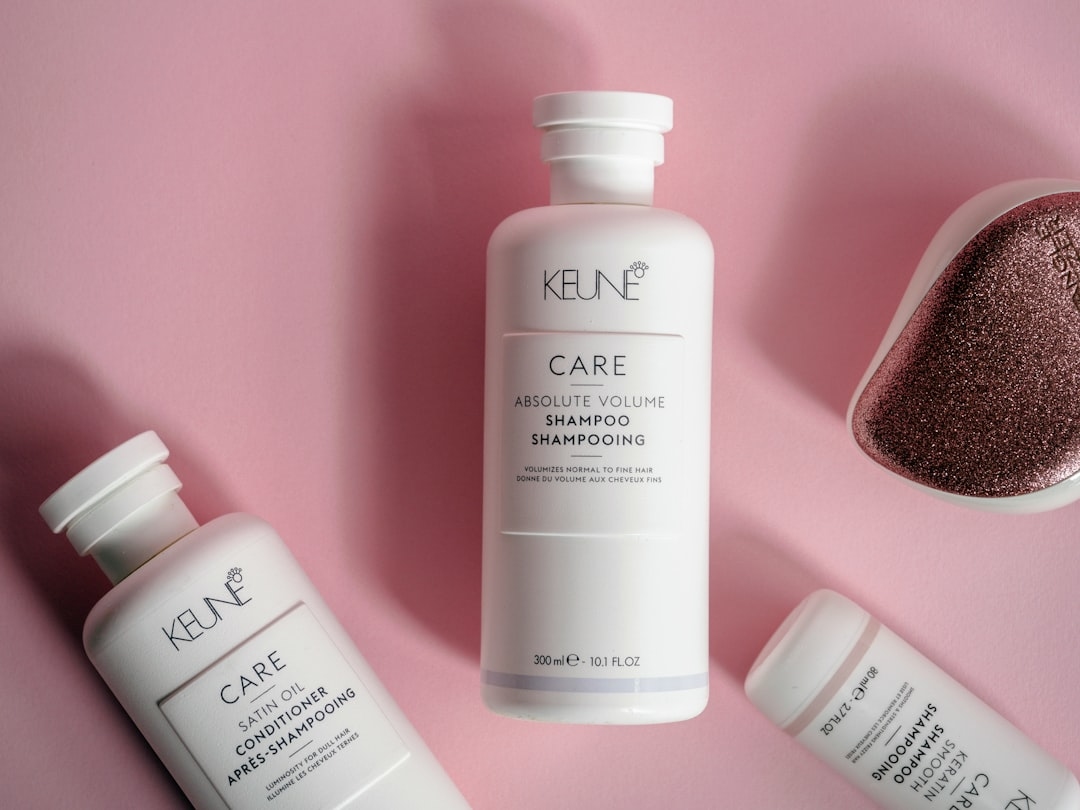
- Hydrating shampoo and conditioner (£6-10)
- Leave-in anti-frizz serum or cream (£1-2 per monthly use from a £12-18 bottle)
- Weekly deep conditioning or coconut oil treatment (£1-2 monthly)
- UV-protective spray during spring/summer (£2-4 per month, seasonal use)
Optional upgrades (£5-10 monthly):
- Ionic hairdryer (one-time cost £40-60, no monthly cost)
- Humidifier for winter (one-time cost £25-40)
- Premium anti-frizz products instead of budget versions (adds £3-8 monthly)
Most people tackle frizz effectively with £15-25 monthly investment.
FAQ
Why is my hair frizzier in certain seasons? Winter indoor heating and summer humidity both cause frizz, but for different reasons. Winter’s dry air pulls moisture from hair; summer’s humidity adds moisture that hair absorbs, swelling the cuticle. Adjust products seasonally for best results.
Can I prevent frizz from developing as I age? Partially. UV protection and consistent conditioning from your 30s onwards slow frizz development. Once frizz appears, you manage rather than eliminate it. Starting protection now prevents worsening.
Is coconut oil good for frizz? Yes, if applied correctly. Use it as a weekly treatment on damp hair for 20-30 minutes, then shampoo out. Leaving it in the hair permanently makes frizz worse. Using it occasionally (weekly) but correctly delivers excellent results.
Do expensive anti-frizz products work better than cheap ones? Moderately. Budget products (£8-12) work well; premium products (£20-30) offer marginal improvements. Consistency matters more than cost. Using a cheap product weekly beats buying expensive products and using them sporadically.
Will hair colour or treatments make frizz worse? Yes, if your hair is already frizzy. New colouring or treatments open the cuticle, temporarily increasing frizz. This improves within 2-3 weeks as the cuticle seals. However, repeated treatments over decades cause cumulative damage that makes frizz harder to manage long-term.
Frizz is not an inevitable part of aging. It’s a manageable consequence of specific, addressable changes to your hair. Understanding the causes—decreased sebum, sun damage, cumulative processing, seasonal humidity shifts—lets you target solutions specifically. Start with improved conditioning and UV protection. Add leave-in anti-frizz products. Adjust seasonally. Most women see dramatic frizz reduction within 3-4 weeks once they employ these strategies consistently.