Contents:
- How Static Electricity Forms in Hair
- Seasonal Patterns: When Static Gets Worse
- Static vs. Frizz: Understanding the Difference
- Hair Type and Static Susceptibility
- Product Solutions: What Actually Works
- DIY and Natural Remedies
- Environmental Fixes: Controlling Your Space
- Sustainable Approaches to Hair Care
- FAQ: Your Static Hair Questions Answered
- Your Action Plan: Starting Today
You run your fingers through your hair and suddenly it stands on end like you’ve been electrocuted. Static electricity in your hair isn’t just annoying—it can ruin your style, damage your strands, and leave you feeling frustrated. But understanding why your hair gets so staticky is the first step to fixing it.
The answer lies in a combination of environmental factors, hair structure, and moisture levels. Static happens when your hair loses electrons and gains an imbalance of electrical charge. This creates friction between individual strands, making them repel each other. The problem intensifies during certain seasons and in specific conditions. The good news? Once you know what’s causing your static, you can eliminate it with practical solutions.
How Static Electricity Forms in Hair
Static hair occurs through a process called triboelectric charging. When two different materials rub together, electrons transfer from one to the other, creating an electrical imbalance. Your hair acts like a conductor—it transfers electrons easily depending on its condition and environment.
Three factors trigger this process:
- Low humidity levels: Dry air prevents moisture from coating your hair, leaving the cuticles exposed and prone to friction.
- Friction from materials: Rubbing against wool, cotton, polyester, or even your pillow creates the charge.
- Hair porosity: Porous hair (with raised cuticles) holds less moisture and becomes more conductive to static electricity.
A 2026 study on hair health showed that static electricity increases by approximately 300% during winter months when indoor heating reduces humidity to below 30%. Your hair contains about 13% moisture when healthy, but drops to just 3-4% in dry conditions—enough to trigger noticeable static.
Seasonal Patterns: When Static Gets Worse
Static isn’t constant throughout the year. Your hair’s static problem follows a predictable seasonal timeline:
Winter (December to February): Central heating dries indoor air to 10-15% humidity. This is peak static season. Your heated home creates a perfect storm—low moisture in the air combined with friction from wool clothing and hats.
Spring (March to May): Humidity begins rising, and static gradually decreases. However, dry spells can still cause problems early in the season.
Summer (June to August): High humidity (60-80%) means minimal static issues. Your hair naturally absorbs moisture from the air, keeping the electrical charge neutral.
Autumn (September to November): As heating systems turn on and outdoor humidity drops, static returns. October and November see a gradual increase in complaints.
If you notice static spikes outside these patterns, check your indoor humidity. Most hair problems emerge when humidity drops below 40%.
Static vs. Frizz: Understanding the Difference
Many people confuse static hair with frizz, but they’re distinct problems requiring different solutions. Static is about electrical charge and individual strands repelling each other. Frizz occurs when moisture penetrates the hair cuticle, causing swelling and roughness.
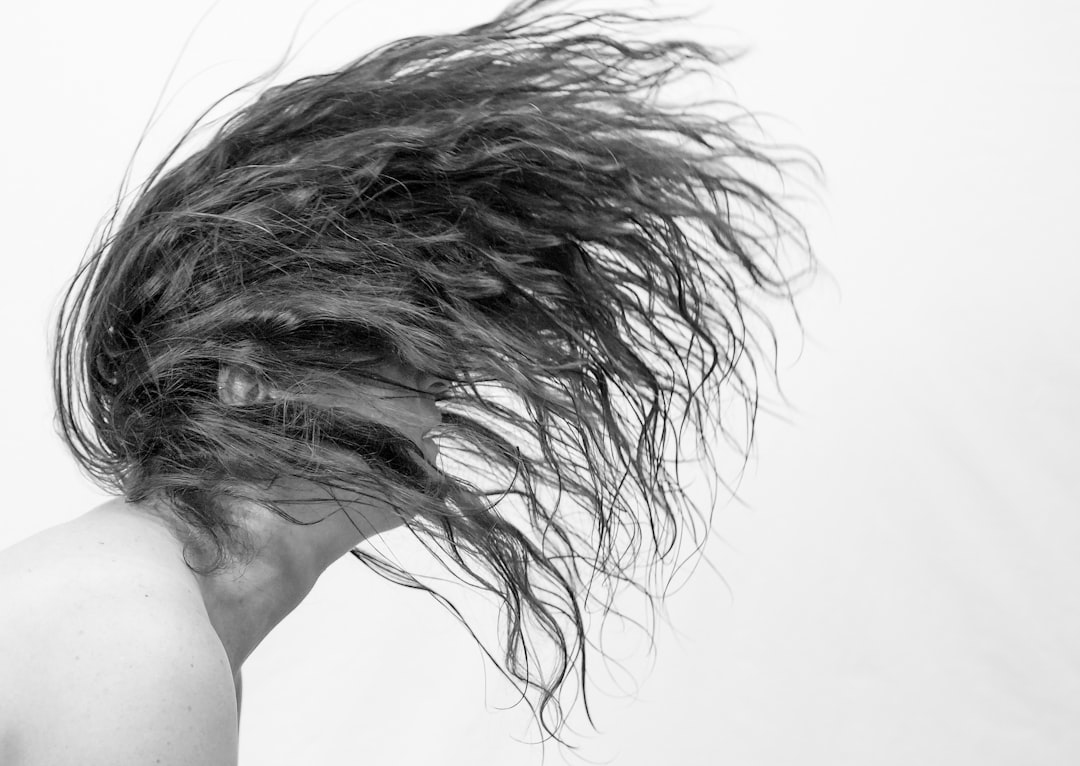
Static: Hair stands on end, flies away from your scalp, and seems to defy gravity. It happens suddenly. Touching your hair increases the problem.
Frizz: Short hairs escape your style, creating a halo effect. It develops gradually throughout the day. High humidity triggers frizz in damaged or porous hair.
You can have both simultaneously—static in winter making your style stand up, combined with frizz from humidity exposure. But treating static requires moisture balance and anti-friction techniques, whereas frizz needs smoothing products and proper hydration.
Hair Type and Static Susceptibility
Your hair’s texture, thickness, and structure determine how prone you are to static electricity.
Fine or thin hair: More susceptible to static because strands have less weight, making them easier to lift and repel. Fine hair also has a higher surface-area-to-volume ratio, attracting more charge.
Curly or coily hair: Natural coils provide more contact points for friction, increasing static buildup. However, natural oils distribute more slowly down the hair shaft, leaving ends drier and more prone to static.
Damaged or chemically treated hair: Bleaching, colouring, or heat styling raises the hair cuticle permanently. This makes the hair more porous and staticky. Damaged hair can hold up to 50% less moisture than healthy hair.
Straight hair: Generally more resistant to static because strands lie flat and distribute natural oils easily from scalp to ends.
If you’ve got fine, curly, or damaged hair, you’ll experience more static problems than someone with thick, straight, healthy hair. This doesn’t mean you’re stuck though—targeted solutions work brilliantly.
Product Solutions: What Actually Works
Hydrating shampoo and conditioner: Use products containing glycerin, hyaluronic acid, or keratin. These ingredients attract and retain moisture. Expect to pay £8-15 for quality hydrating conditioner. Apply conditioner generously to mid-lengths and ends, leaving it on for 2-3 minutes minimum.
Leave-in conditioner: This is non-negotiable for static-prone hair. Leave-in products create a moisture barrier around each strand, reducing friction. Apply to damp hair before styling.
Anti-frizz serums and oils: Argan oil, coconut oil, or silicone-based serums smooth the cuticle and reduce static. Use 2-3 drops on your palms and run through dry hair after styling. Avoid applying directly to the scalp, which makes hair greasy.
Static-reducing sprays: Ionic spray products neutralise electrical charge. Brands like ghd Heat Protect Spray (£16) or similar options work by creating a lightweight coating that prevents friction.
Conditioner bars: An eco-friendly alternative to liquid conditioner, bars last three times longer and require less packaging. One bar (£10-12) equals three bottles of liquid conditioner.
DIY and Natural Remedies
Before buying expensive products, try these budget-friendly fixes:
- Apple cider vinegar rinse: Mix one part vinegar with three parts water. Use as a final rinse after shampooing. Vinegar seals the hair cuticle and neutralises residue that creates charge. Do this weekly.
- Coconut oil treatment: Warm two tablespoons of virgin coconut oil and apply to hair 30 minutes before washing. This adds moisture and creates slip, reducing friction.
- Honey mask: Mix one tablespoon raw honey with your regular conditioner. Honey is hygroscopic—it pulls moisture from the air into your hair. Apply once weekly.
- Aloe vera gel: Apply fresh aloe to damp hair. It moisturises without buildup and naturally reduces frizz and static.
Environmental Fixes: Controlling Your Space
Sometimes the solution isn’t about your hair—it’s about your surroundings.
Use a humidifier: Keep indoor humidity at 40-60% during winter. A decent humidifier costs £25-60 and dramatically reduces static across your entire household. Add a hygrometer (£8-12) to monitor humidity levels.
Air drying instead of blow-drying: Heat removes moisture from hair. Air-dry when possible, or use a blow-dryer on low heat with a diffuser attachment.
Change your pillowcase: Switch from cotton to silk or satin pillowcases. Silk creates minimal friction, meaning less static while you sleep. A silk pillowcase (£15-30) also reduces breakage and extends your hairstyle.
Avoid static-producing fabrics: Wool hats and scarves create massive friction. Choose acrylic, cotton, or silk alternatives. If you must wear wool, apply a leave-in conditioner first to create a protective barrier.
Sustainable Approaches to Hair Care
The most eco-friendly way to reduce static? Keep your hair healthy and hydrated naturally. Here’s why: damaged hair needs more products to manage. Healthy hair requires fewer interventions.
Reduce heat styling: Heat damage makes hair more porous and static-prone. Limiting blow-drying, straightening, and curling to 1-2 times weekly reduces damage and decreases your need for corrective products.
Use bar conditioners: These solid alternatives eliminate plastic bottle waste. One bar equals roughly 2-3 plastic bottles, reducing packaging waste by 67%. They’re also cheaper long-term (£1.50-2 per wash vs. £0.50-1 for liquid).
Choose refillable product bottles: Some premium brands offer refillable hydrating conditioners, reducing plastic consumption by up to 80% over a year.
Extend time between washes: Overwashing strips natural oils faster. Wash 2-3 times weekly instead of daily, allowing your scalp’s sebum to distribute naturally and coat your hair.
FAQ: Your Static Hair Questions Answered
Can static hair cause damage? Repeated friction from static can break hair and damage cuticles, especially at the ends. While static itself isn’t dangerous, chronic static indicates your hair is too dry, which does cause long-term damage. Addressing static prevents future breakage.
Does static get worse as you age? Hair becomes finer and drier as you age, making static more likely after your 40s. Hormonal changes can also affect scalp oil production. This means older age often brings increased static sensitivity.
Will a humidifier really fix static? A humidifier addresses the root cause—dry air. In most cases, raising indoor humidity from 20% to 50% significantly reduces static within one week. Results are noticeable and measurable.
Is expensive anti-static shampoo worth it? Premium formulas aren’t always better. The key ingredient is moisture. A £8 hydrating conditioner with glycerin works just as well as a £25 option. Focus on consistent application rather than price.
Can I permanently stop static? You can’t eliminate static entirely, but you can reduce it to near-invisible levels. The goal is maintaining 40%+ humidity and keeping hair properly hydrated. This requires ongoing effort, not a one-time fix.
Your Action Plan: Starting Today
Stop letting static control your hair. Start with these three immediate steps: First, invest in a quality hydrating conditioner (£8-12) and apply it generously to every wash. Second, if it’s winter, buy or borrow a humidifier to raise indoor humidity. Third, switch your pillowcase to silk or satin tonight—this costs under £20 and begins working immediately.
After one week of consistent hydration and humidity control, you’ll notice a dramatic difference. Your hair will feel smoother, style more easily, and the static electricity that’s been frustrating you will largely disappear. The secret to eliminating static hair isn’t one miracle product—it’s understanding why your hair dries out and addressing moisture at every level: internally, externally, and environmentally.