Contents:
- Understanding Bleach and How It Works on Coloured Hair
- Why 20-Volume Developer Makes Sense for Beginners
- Gathering Your Supplies: What You’ll Actually Need
- Preparing Your Hair: The Step Nobody Skips
- The Pre-Bleach Conditioning Routine
- The Strand Test (Yes, Really Do This)
- The Application Process: Section, Mix, Apply
- Sectioning Your Hair
- Mixing Your Bleach
- Applying to the Hair
- Timing and Monitoring
- Rinsing, Neutralising, and Conditioning
- The Rinse Process
- Using a Toner (Optional but Recommended)
- Deep Conditioning Treatment
- Aftercare: Keeping Your Bleached Hair Healthy
- First 48 Hours
- Weekly Routine After Bleaching
- Common Mistakes to Avoid
- Using Developer That’s Too Strong
- Applying Bleach to Already Lightened Hair
- Processing Too Long
- Skipping the Conditioning Step
- Using Cheap, Off-Brand Bleach
- Sustainable Bleaching Practices
- When to Call a Professional
- FAQ: Your Bleaching Questions Answered
- How long does it take for bleached hair colour to fade?
- Can you bleach hair that’s been dyed with box dye?
- Will bleach damage my hair if I do it at home?
- How often can you bleach hair safely?
- What’s the difference between bleach powder grades?
- Your Path Forward: Maintaining Bleached Hair
Your hair colour hasn’t turned out the way you hoped, and you’re desperate to get rid of it. Whether it’s an unfortunate box dye mishap, a professional colour that looked nothing like the swatch, or simply a shade you’ve grown tired of—the frustration is real. Bleaching bath hair to remove colour is one of the most effective solutions, and the good news? You can absolutely do this at home with the right knowledge and products.
This guide walks you through everything a complete beginner needs to know about how to bleach bath hair to remove colour, from product selection to aftercare. We’ll cover the science, the practical steps, the mistakes to avoid, and the sustainable choices you can make along the way.
Understanding Bleach and How It Works on Coloured Hair
Before you even open a bleach powder container, understanding what bleach actually does is crucial. Bleach doesn’t wash colour out—it breaks down the pigment molecules in your hair. This is a permanent, chemical process that lifts existing colour by opening the hair’s cuticle and stripping away melanin and artificial dyes.
The strength of your bleach determines how effectively it removes colour. In the UK market, you’ll find 20-volume, 30-volume, and 40-volume developers. For removing previously applied colour from intact hair (bath hair), 20-volume developer is the safest standard. It processes more slowly but causes less damage than higher volumes. If your starting shade is very dark or the colour is stubborn, you might use 30-volume, but this increases breakage risk significantly.
Why 20-Volume Developer Makes Sense for Beginners
20-volume developer lifts colour at a gentler pace, typically taking 30-45 minutes for noticeable lightening. This longer processing time gives you control—you’re not racing against the clock. Higher volumes process faster (20-30 minutes) but can cause brittleness, particularly if your hair has been previously coloured or treated.
The maths is straightforward: one part bleach powder mixed with two parts 20-volume developer creates a usable paste. If you’re lightening 4-5 centimetres of mid-length hair, you’ll need roughly 60-90 grams of mixed product.
Gathering Your Supplies: What You’ll Actually Need
Before you start, assemble everything. Running around looking for supplies mid-process is both frustrating and a safety hazard. Here’s the actual shopping list:
- Quality bleach powder: Wella Koleston, Clairol BW2, or Schwarzkopf Igora Vario Blond (£8-15 per box in the UK)
- 20-volume developer: Usually sold with professional bleach kits; standalone bottles cost £4-8
- Non-metal mixing bowl: Glass or ceramic only—metal reacts with bleach
- Gloves: The thick, latex-free kind (included with most kits, or buy heavy-duty versions for £2-4)
- Application brush: Dye brush with comb attachment (£3-5)
- Sectioning clips: At least four clips to divide hair (£2-3)
- Barrier cream: Petroleum jelly or dedicated barrier cream for hairline and ears (£2-4)
- Strand test kit: Often included with bleach, or use a single hair strand as your test
- Deep conditioning treatment: Olaplex, K18, or a dedicated bleach recovery mask (£15-40)
Sustainability note: Many professional bleach brands now offer refillable developer bottles and packaging made from recycled materials. Wella’s Koleston and Igora lines have reduced plastic footprints compared to older formulations. If you’re bleaching regularly, investing in bulk developer options reduces waste.
Preparing Your Hair: The Step Nobody Skips
Preparation separates successful bleaching from hair disaster. Your hair needs to be in the best possible condition before you apply bleach.
The Pre-Bleach Conditioning Routine
Three to five days before bleaching, start a focused conditioning regimen. Use a protein-based treatment twice—once mid-week and once the day before bleaching. This builds a protective barrier inside the hair shaft. Products like Olaplex No. 3 (£28-30 in the UK) or K18 Leave-In Molecular Repair Mask (£35-38) are industry standards because they actually strengthen hair bonds, not just coat the surface.
On bleaching day, wash your hair with a gentle, sulphate-free shampoo at least 12 hours before application. Your natural scalp oils protect your skin and hair—you want them present. Don’t condition the final wash; you want clean, slightly oily hair for bleaching.
The Strand Test (Yes, Really Do This)
Even professionals test bleach. Take a small section of hair from underneath (somewhere hidden), apply your mixed bleach to a small strand, set a timer, and monitor the colour change. This tells you exactly how long you need to process. If you’re going from dark brown to light blonde, you might need 45 minutes or potentially even two applications. If you’re going from medium brown to honey blonde, 30-35 minutes might suffice.
Record your timing and result. This becomes your formula for the full head application.
The Application Process: Section, Mix, Apply
Sectioning Your Hair
Divide your hair into four quadrants: top-middle, left-side, right-side, and back-lower. For thicker hair, use five or six sections. Clamp each section with clips. This ensures every strand gets bleach and prevents double-processing (applying bleach twice to the same area, which causes severe damage).
Mixing Your Bleach
In your glass or ceramic bowl, combine one part bleach powder to two parts 20-volume developer. Stir thoroughly for 2-3 minutes until you have a smooth, consistent paste with no lumps. The mixture will be slightly warm—this is normal. If it’s hot enough to feel uncomfortable, let it cool for a minute before applying.
Never premix bleach more than 5 minutes before application. Bleach loses strength as it sits.
Applying to the Hair
Start at the roots where regrowth exists (if you’ve coloured before), or at mid-lengths if you’re starting fresh. Using your dye brush, apply the bleach mixture in thin, even sections. Work through each quadrant systematically. Make sure the bleach completely saturates every strand—partially bleached hair looks patchy and unfinished.
Once you’ve covered roots and mid-lengths, apply to the ends last. Hair ends are the most porous and process faster, so delaying their application by 10-15 minutes prevents over-processing.
Timing and Monitoring
Set a timer based on your strand test. Every 5-10 minutes, check a small section by rinsing a tiny amount of bleach and examining the colour. You’re looking for gradual lightening. Hair typically lifts in this order: reds fade first, then yellows emerge, then golds, then pale yellows, finally reaching platinum (if you’re patient enough for 40-50 minutes).
Stop processing when you’ve lifted 2-3 shades lighter than your target. Hair continues to lighten slightly during rinsing.
Rinsing, Neutralising, and Conditioning
The Rinse Process
Once your timer goes off, rinse with lukewarm water—not hot, which opens the cuticle further and causes more damage. Rinse until the water runs completely clear and you don’t see any bleach product remaining. This typically takes 3-5 minutes of thorough rinsing.
Using a Toner (Optional but Recommended)
If your hair has lifted to a yellow or brassy tone and you wanted something cooler (ash blonde, silver, etc.), a toner helps neutralise unwanted warmth. Apply a light blonde or ash toner according to package instructions—usually 10-20 minutes. Wella T18 or T14, or Schwarzkopf Igora Vibrance ash shades are UK favourites (£6-10).
Deep Conditioning Treatment
This is non-negotiable. Bleach compromises hair integrity, and deep conditioning restores moisture and strength. Apply a dedicated bleach recovery mask to damp hair, focusing on mid-lengths and ends. Leave it on for 15-20 minutes (or follow package instructions). Rinse gently.
Sustainability consideration: Many deep conditioning masks now come in refillable formats or solid bar versions that reduce packaging waste by 80% compared to traditional bottles. Brands like Unwrapped Life and Becca & Bridge offer plastic-free alternatives.
Aftercare: Keeping Your Bleached Hair Healthy
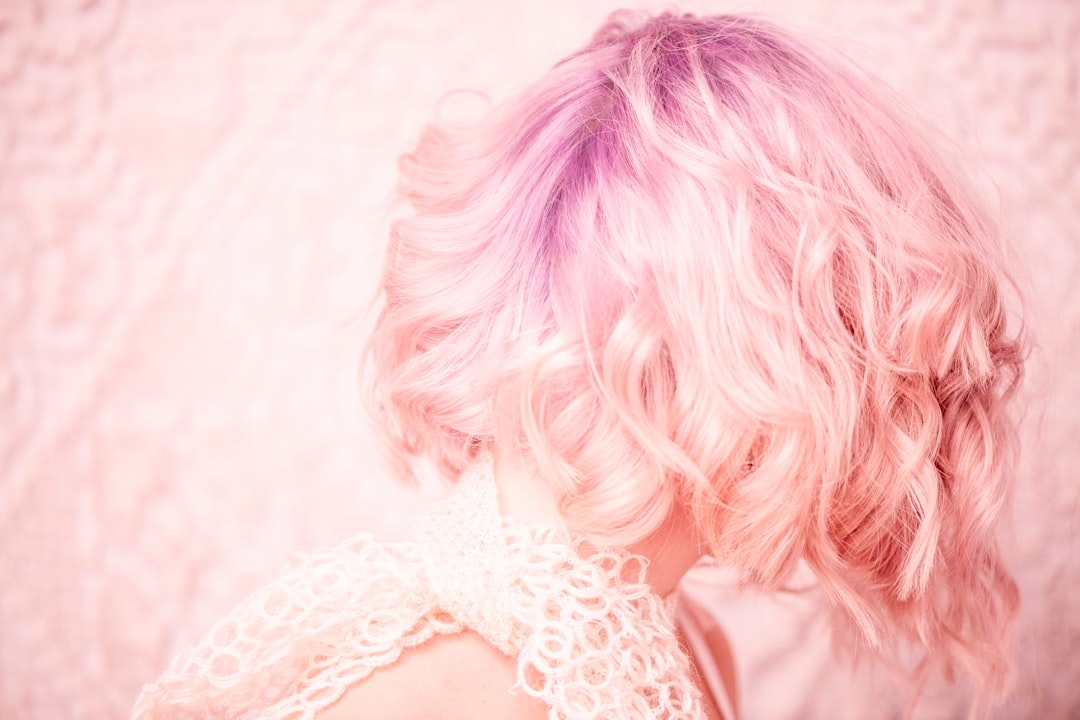
Bleaching is a significant chemical process. The week after bleaching, your hair needs intensive support.
First 48 Hours
Don’t wash your hair for at least 24 hours after bleaching and toning. This allows the colour and conditioning treatment to fully set. When you do wash, use cool water and a colour-safe shampoo.
Weekly Routine After Bleaching
- Shampoo only 2-3 times per week with sulphate-free, colour-safe formulas
- Deep condition twice weekly for the first 4 weeks, then once weekly thereafter
- Use a heat protectant spray before blow-drying or styling
- Avoid hot tools (straighteners, curling irons) for at least one week
- Apply a nourishing oil or serum to ends daily (argan, jojoba, or coconut oil)
Bleached hair is more porous and susceptible to environmental damage. UV exposure can cause yellowing, so use a UV protection spray if you’re spending time outdoors (£6-12).
Common Mistakes to Avoid
Using Developer That’s Too Strong
40-volume developer processes in 20-30 minutes but causes significantly more breakage. Stick with 20-volume unless absolutely necessary.
Applying Bleach to Already Lightened Hair
If you’ve previously bleached this hair and are doing a second round, avoid applying fresh bleach to previously lightened lengths. Apply only to new regrowth. Double-bleaching causes hair to snap off.
Processing Too Long
Leaving bleach on for 60+ minutes doesn’t achieve better results—it just damages hair. 45 minutes is typically the maximum safe processing time for home use.
Skipping the Conditioning Step
Bleach opens the hair cuticle and removes moisture. Not conditioning immediately after is like leaving the door open to further damage. It’s not optional.
Using Cheap, Off-Brand Bleach
Discount bleach often contains impurities that damage hair more severely. Quality brands like Wella (£10-12), Clairol (£8-10), and Schwarzkopf (£12-15) have been formulated and tested for safety and effectiveness.
Sustainable Bleaching Practices
Chemical waste from bleaching affects local water systems. Here’s how to minimise your environmental footprint:
- Buy in bulk if you bleach regularly: Purchasing multiple boxes at once reduces packaging waste per application
- Choose refillable developer bottles: Brands now offer refill stations in selected salons and online retailers
- Dispose of unused bleach properly: Don’t pour it down the drain. Contact your local waste management facility for hazardous waste disposal locations
- Use concentrated formulas: Some brands offer concentrates that require less product overall
- Select conditioners in sustainable packaging: Solid bars, refillable bottles, or compostable pouches are increasingly available
Sustainable hair care doesn’t mean avoiding bleaching—it means making informed choices about products and disposal.
When to Call a Professional
Some situations warrant professional help, even if you’re normally confident:
- Your hair has been previously bleached multiple times
- You’re attempting to go from very dark (level 1-3) to very light (level 8+)
- Your hair shows signs of damage: excessive breakage, texture changes, or brittleness
- You’re aiming for a specific shade that requires precision toning
- You have sensitive skin or known chemical sensitivities
A professional stylist charges £40-80 for colour correction in the UK, which might seem expensive but protects your hair and results.
FAQ: Your Bleaching Questions Answered
How long does it take for bleached hair colour to fade?
If you’ve used a permanent toner, expect 4-6 weeks before noticeable fading. Semi-permanent colours fade faster, typically 2-4 weeks. Frequent washing accelerates fading. Colour-safe products and cool water washing extend colour longevity by 20-30%.
Can you bleach hair that’s been dyed with box dye?
Yes, but results depend on the dye type. Semi-permanent box dyes bleach out relatively easily. Permanent dyes take longer and may require a second bleaching session. Always strand test first. If the dye is very dark or metallic, professional removal or colour correction is safer.
Will bleach damage my hair if I do it at home?
Bleach is damaging by nature—it’s a chemical process that compromises hair structure. However, home bleaching with proper technique, quality products, and aftercare causes significantly less damage than improper application or multiple sessions. Professional bleaching isn’t dramatically different; the advantage is expertise in timing and product selection.
How often can you bleach hair safely?
Once every 4-6 weeks minimum, and only if you’re bleaching new regrowth exclusively. Bleaching the same lengths repeatedly causes cumulative damage. If you’re retouching regrowth every 4-6 weeks, plan on semi-permanent toning between sessions rather than multiple bleaching applications.
What’s the difference between bleach powder grades?
Bleach powders vary by pigmentation and lifting strength. Blue-toned powders (Wella T28, T35) are formulated for dark hair and deposit cool tones. Yellow-toned powders (standard Koleston, Igora Vario) are for lighter starting shades. Fine hair requires gentler formulations. Check the box’s suitability guide for your hair type and current shade.
Your Path Forward: Maintaining Bleached Hair
Bleaching is the start of your colour journey, not the end. Once you’ve successfully removed the old colour, the real work begins: maintaining health and vibrancy. Invest in purple-toning shampoos if you’ve gone blonde (to neutralise brassy tones), use intensive conditioning weekly, and minimise heat styling for at least 3-4 weeks post-bleaching.
If you’re planning to apply new permanent colour after bleaching, wait at least 7-10 days. Your hair needs time to recover, and your scalp needs time to regenerate protective oils. This patience protects both your hair’s structure and your comfort during the next application.
The key to successful bleaching isn’t complexity—it’s preparation, patience, and proper aftercare. Now that you understand how to bleach bath hair to remove colour, you’re equipped to achieve the shade transformation you’re after while keeping your hair as healthy as possible.
Start with a strand test, gather your supplies, give your hair pre-bleach conditioning, and follow the timing carefully. Your future self (and your hair) will thank you.