Contents:
- Hair Loss Is Not a Sign of Pregnancy
- The Actual Pattern: Before, During, and After
- Hormonal Mechanisms Behind Hair Changes in Pregnancy
- What About Other Hair on Your Body?
- Common Mistakes to Avoid
- What the Pros Know
- A Reader’s Story
- Timeline of Hair Changes in Pregnancy and Beyond
- Weeks 1–12 (First Trimester)
- Weeks 13–28 (Second Trimester)
- Weeks 29–40 (Third Trimester)
- Months 1–3 Postpartum
- Months 4–9 Postpartum
- Months 10–12 Postpartum
- Protecting Your Hair During Postpartum Shedding
- When to Seek Medical Help
- FAQ
- Is hair loss during pregnancy normal?
- How much hair loss is normal after pregnancy?
- Can I prevent postpartum hair loss?
- Do vitamins help with postpartum hair loss?
- When does postpartum hair loss stop?
- Moving Forward
Many women believe hair loss signals pregnancy, but this is backwards. Hair loss is rarely a sign you’re pregnant. What actually happens is more nuanced: pregnancy hormones typically make hair thicker and fuller, not thinner. But after you give birth, that’s when significant shedding occurs. This article explains the real relationship between hair loss and pregnancy so you can separate myth from science.
Hair Loss Is Not a Sign of Pregnancy
The primary keyword here needs clarification: hair loss is not a sign of pregnancy. Quite the opposite happens in most cases. During pregnancy, elevated oestrogen levels extend the growth phase of hair follicles, meaning more hairs stay attached to your scalp for longer. Most pregnant women report thicker, shinier hair around months 4–8, not thinning. The hair loss myth likely stems from postpartum shedding, which is often mistaken as a pregnancy symptom when it’s actually what comes after.
The Actual Pattern: Before, During, and After
Your hair goes through four distinct phases: anagen (growth), catagen (transition), telogen (resting), and exogen (shedding). Normally, about 85–90% of scalp hairs sit in the growth phase at any given time. During pregnancy, this percentage climbs even higher because oestrogen delays the transition from growth to shedding. The result: fuller hair and fewer loose strands in the drain.
However, this changes sharply after delivery. Within 2–3 months postpartum, oestrogen levels crash. Hair follicles that were kept in the growth phase suddenly shift to the shedding phase all at once. This creates the dramatic hair loss many new mothers experience—sometimes losing 200–300 hairs daily instead of the normal 50–100. This condition, called telogen effluvium, can last 6–12 months.
Hormonal Mechanisms Behind Hair Changes in Pregnancy
Oestrogen is the key player. This hormone doesn’t just influence reproduction; it affects hair growth cycles throughout your body. During pregnancy, oestrogen levels rise 100–1000 times higher than baseline levels, depending on the trimester. This sustained elevation keeps hair follicles locked in the anagen (growth) phase.
Progesterone, another pregnancy hormone, also contributes. Together, these hormones create an environment where your scalp thrives. Hair appears glossier because oestrogen increases sebum production, the natural oils that protect and nourish each strand.
What About Other Hair on Your Body?
Pregnancy hormones affect all body hair, not just scalp hair. Many women notice thicker arm hair, leg hair, and facial hair during pregnancy. Some develop a dark line on their abdomen (linea nigra). These changes reverse postpartum, usually within 6–12 months as hormone levels normalise.
Common Mistakes to Avoid
Don’t assume hair loss during pregnancy means something is wrong. However, sudden hair loss before conception or in the first trimester could indicate other issues like thyroid problems, iron deficiency, or telogen effluvium from stress. If you’re losing more than 100 hairs daily before pregnancy, get tested by your GP.
Another mistake: ignoring postpartum shedding. It’s normal, but excessive worry can trigger additional stress-induced hair loss. Accept that the postpartum phase is temporary and manage it with gentle care rather than panic.
What the Pros Know
Trichologists and maternity specialists recognise that postpartum hair loss is one of the most misunderstood aspects of pregnancy recovery. Many women expect their lush pregnancy locks to last forever and feel devastated when shedding begins. The reality: by 12 months postpartum, hair typically returns to pre-pregnancy density. Until then, maintain your scalp’s health with protein-rich conditioners and avoid tight hairstyles that stress follicles further. Prenatal vitamins containing iron, zinc, and B vitamins support hair throughout pregnancy and postpartum recovery.
A Reader’s Story
Sarah from Bristol was convinced she had a pregnancy problem when she started losing hair at 14 weeks postpartum. “I’d read that pregnancy makes your hair grow faster, so I wasn’t prepared for the bathroom floor covered in strands,” she recalls. Her GP reassured her it was normal telogen effluvium. By month 10 postpartum, her shedding stabilised. “What helped most was knowing it wasn’t permanent. I switched to a silk pillowcase and a leave-in conditioner, and within a few months I stopped obsessing over every strand.”
Timeline of Hair Changes in Pregnancy and Beyond
Weeks 1–12 (First Trimester)
Hair remains relatively stable. Some women notice changes, but most see little difference this early.
Weeks 13–28 (Second Trimester)
The “glow” period. Hair typically thickens noticeably, becomes shinier, and grows faster. Scalp oiliness often increases.
Weeks 29–40 (Third Trimester)
Hair reaches peak thickness. Some women experience even greater volume and fewer flyaways. The effect plateaus here.
Months 1–3 Postpartum
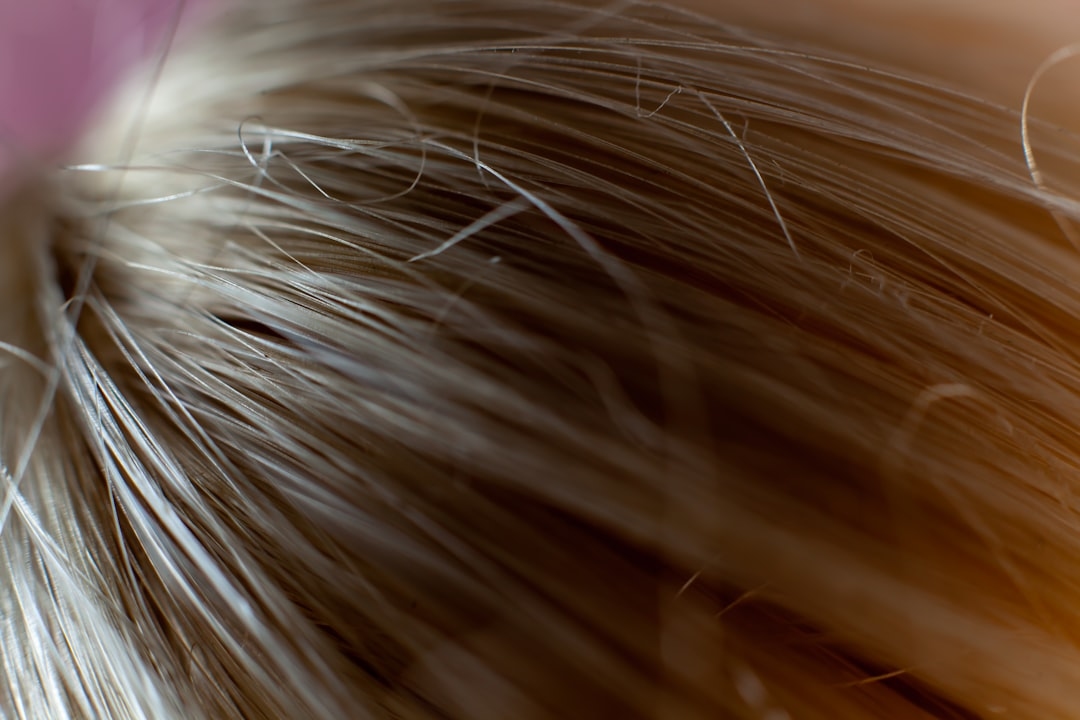
Postpartum shedding begins gradually. You may notice extra hair after washing or brushing, but it hasn’t reached peak levels yet.
Months 4–9 Postpartum
Shedding peaks here. Daily hair loss can be alarming, but this is the expected pattern. Stay consistent with care and avoid harsh treatments.
Months 10–12 Postpartum
Shedding slows down significantly. Hair density returns closer to pre-pregnancy levels, though it may take an additional 3–6 months to stabilise fully.
Protecting Your Hair During Postpartum Shedding
Once you understand that postpartum hair loss is hormonal, not pathological, you can take practical steps to minimise damage. Use a wide-tooth comb on wet hair instead of brushing dry locks. Avoid tight ponytails and buns that stress the follicle base. Choose silk or satin pillowcases to reduce friction overnight—cotton pillowcases create drag that increases breakage.
Condition more than you shampoo. Aim for two conditioner washes per week and only one or two shampoos. This reduces mechanical stress on weakened postpartum hair. Look for products with hydrolysed protein or keratin, which strengthen the hair shaft.
When to Seek Medical Help
Most postpartum shedding resolves without intervention. However, contact your GP if hair loss persists beyond 12 months, if you’re losing hair in patches (alopecia areata), or if you experience itching, flaking, or scalp pain. These could indicate thyroid dysfunction, nutritional deficiency, or dermatological conditions requiring treatment.
Blood tests can check your iron, vitamin D, zinc, and thyroid function. If any of these levels are low, supplementation or dietary changes can restore hair health. Pregnancy and postpartum periods are genuinely taxing on your body’s nutrient reserves.
FAQ
Is hair loss during pregnancy normal?
Hair loss during pregnancy is uncommon and often signals an underlying issue like thyroid problems or iron deficiency. Most pregnant women experience thicker hair. However, postpartum shedding (starting 2–3 months after delivery) is completely normal and affects 40–50% of new mothers.
How much hair loss is normal after pregnancy?
Losing 200–300 hairs daily during the peak postpartum shedding phase (months 4–9) is within the normal range. Before pregnancy, you shed approximately 50–100 hairs daily. The increase is temporary and resolves by month 12 in most cases.
Can I prevent postpartum hair loss?
You cannot prevent postpartum shedding because it’s driven by hormonal changes beyond your control. However, you can minimise damage by using gentle hair care practices, maintaining adequate protein and iron intake, and avoiding chemical treatments during the recovery period.
Do vitamins help with postpartum hair loss?
Continuing prenatal vitamins postpartum supports hair health, especially if they contain iron, zinc, vitamin B12, and biotin. However, these supplements address nutritional deficiency-related hair loss, not the hormonal shedding itself. They’re still valuable for overall recovery.
When does postpartum hair loss stop?
Shedding peaks around months 4–9 postpartum and typically returns to normal by month 12. Some women experience lingering shedding through month 18, particularly if breastfeeding. Hair density usually stabilises completely within 18–24 months postpartum.
Moving Forward
The relationship between hair loss and pregnancy is clearer now. Hair loss is not a pregnancy sign; it’s a postpartum reality. Pregnancy itself makes your hair thicker and stronger through sustained oestrogen elevation. The catch comes after delivery, when hormones crash and your body sheds months worth of accumulated hair simultaneously. This is normal, temporary, and manageable with informed care. If you’re currently pregnant, enjoy your fuller hair. If you’re postpartum and shedding, know that it’s temporary and your hair will recover.