Contents:
- Understanding Waves vs. Curls: The Difference
- Quick Answer vs. How to Make Wavy Hair Curly Naturally: The Complete Method
- Step 1: Deep Moisture Foundation (Weekly)
- The Pre-Wash Treatment
- Shampoo Selection
- Deep Conditioning Treatment
- Step 2: Curl Cream Application (Every Style)
- Step 3: The Plopping Technique (15-20 Minutes)
- How to Plop
- Step 4: Finger Coiling (Optional but Powerful)
- Step 5: Diffuser Drying (20-30 Minutes)
- Comparison: Finger Coiling vs. Gel Application
- What the Pros Know
- Seasonal Styling Adjustments
- Product Cost Breakdown: Making Waves Curly on a Budget
- Timeline: When Waves Become Curls
- FAQ: Making Wavy Hair Curly Questions
- Will making my waves curly damage them?
- How long will curls last after styling?
- Can I make wavy hair permanently curly without chemical treatment?
- What’s the difference between waves and curls for styling?
- Will the Curly Girl Method work on wavy hair?
Across centuries, cultures have celebrated curls. In Victorian Britain, women used hot irons and overnight pin-sets. In ancient Egypt, people used clay and oils. In modern Jamaica and Ghana, the Bantu knot technique shapes hair whilst damp. Yet many people with naturally wavy hair feel stuck between wave and curl—close enough to curly to want definition, but lacking the bounce and shape of true curls.
The secret: waves and curls exist on a spectrum. With the right techniques, wavy hair can transform into fuller, more defined curls. Not through damage or commitment—but through understanding moisture, product, and technique.
Understanding Waves vs. Curls: The Difference
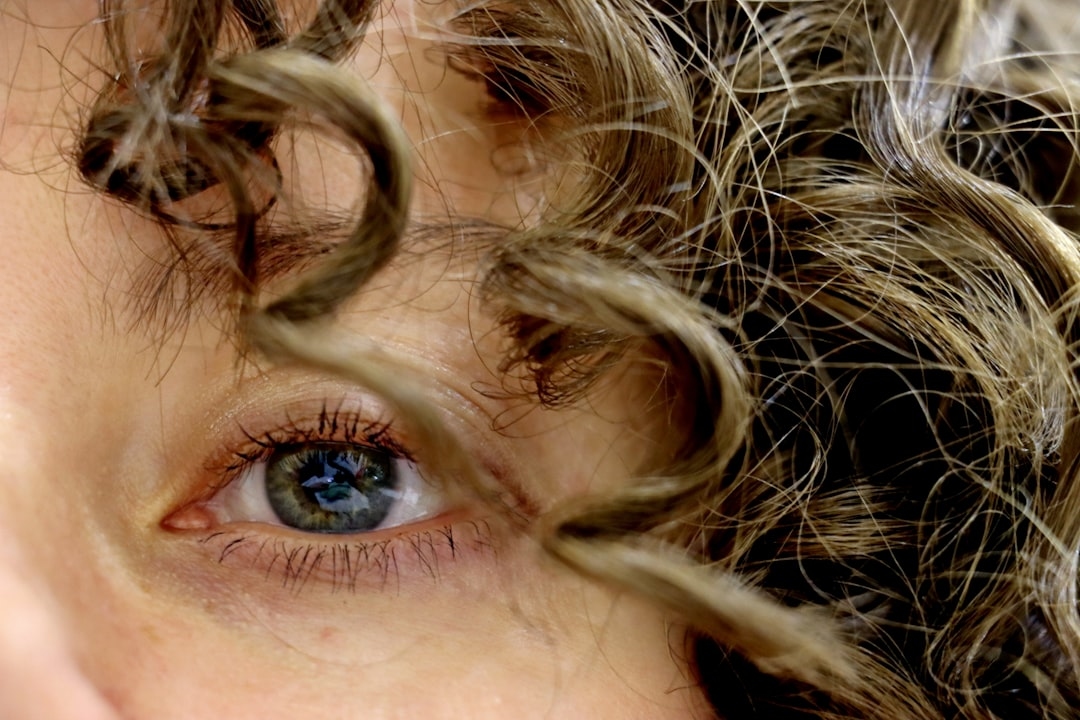
Scientifically, waves and curls differ in curl pattern shape. Waves follow an S-pattern; curls form tighter loops or spirals. But practically, the distinction matters less than you’d think. Wavy hair often lacks definition because it’s underhydrated. Curls require more moisture to show their true shape.
Trichologist Emma Richardson from the Manchester Hair Institute explains: “Most people think they have ‘just waves’ when they actually have curls that aren’t hydrated enough to show their pattern. We typically see a full curl pattern emerge once moisture levels triple.”
This means making waves curlier isn’t about damage or manipulation—it’s about optimising the curl pattern already present in your hair structure.
Quick Answer vs. How to Make Wavy Hair Curly Naturally: The Complete Method
Skimmers want three things: better-defined waves, less frizz, and bouncy curls. The path to this involves layering hydration, using curl-specific products, and employing specific styling techniques. Below is the complete method that transforms wavy hair step-by-step.
Step 1: Deep Moisture Foundation (Weekly)
Before any styling technique works, hair must be hydrated. A single conditioner isn’t sufficient for waves becoming curls—you need moisture treatment layers.
The Pre-Wash Treatment
24-48 hours before shampooing, apply an oil pre-treatment. Use coconut oil, argan oil, or almond oil—approximately 2-3 tablespoons depending on length. Apply to damp hair, focusing on mid-lengths and ends. Some people apply a shower cap overnight; others leave it on for 2-4 hours. This opens the cuticle and allows deeper hydration to penetrate.
Shampoo Selection
Switch to sulphate-free shampoo designed for curly or wavy hair. Sulphates strip moisture that waves need to show definition. Recommended products in the UK market (2026) include CG-approved options like SheaMoisture Raw Shea Butter Restorative Shampoo (£6-8 from Boots), Function of Beauty custom shampoos (£18-22 online), or budget options like cantu Shea Butter Shampoo (£5 from supermarkets). Massage scalp gently without rubbing hair lengths together.
Deep Conditioning Treatment
After shampooing, apply a deep conditioner or moisture mask. Leave on for 10-20 minutes. Excellent options: SheaMoisture Raw Shea Butter Restorative Conditioner (£6-8), Cantu Shea Butter Leave-In Conditioning Repair Cream (£4-5), or Kinky-Curly Knot Today Leave-In Conditioner (£15-18 online). If budget is limited, regular conditioners work—just use double the amount and leave on longer.
Step 2: Curl Cream Application (Every Style)
This is the game-changer. Curl creams define waves into tighter curls by providing structure and hold. They’re different from gels (which can flake) and styling creams (which are designed for straightening).
Apply curl cream to soaking wet hair. This matters—completely drenched hair allows product to distribute evenly. Use 2-3 tablespoons depending on length. Work through hair with fingers or a wide-toothed comb, ensuring every section is coated. Recommended UK products: Cantu Coconut Curling Cream (£4-5), SheaMoisture Coconut & Hibiscus Curl Enhancing Smoothie (£6-7), or Kinky-Curly Curling Custard (£18-20 for better hold). Budget shoppers: Superdrug’s B. Fresh Curl Defining Cream (£2.99) delivers surprising results.
Step 3: The Plopping Technique (15-20 Minutes)
This is the styling method professionals use. Plopping isn’t complicated, but it’s radically different from normal towel-drying.
How to Plop
Use a microfibre towel or cotton t-shirt (old t-shirts work brilliantly—avoid regular towels which disrupt curl formation). Flip your head forward so hair hangs down. Place the towel horizontally across the back of your head. Flip your head back onto the towel, creating a bundle. Twist the towel ends and secure loosely at the top of your head (like a spa turban). Leave for 15-20 minutes. This technique removes excess water whilst maintaining curl shape, something regular towels can’t do.
Why this works: regular towels create friction that disrupts curl formation and causes frizz. Microfibre reduces friction to nearly zero, allowing your curl pattern to set in its natural shape.
Step 4: Finger Coiling (Optional but Powerful)
After plopping, whilst hair is still wet, finger-coil sections. Take a 1-2 inch section and wrap it around your finger to create a curl shape. Release gently. This physical shaping helps waves form tighter curls. You don’t need to coil every section—coil 50-60% of sections for dramatic results. Takes approximately 10 minutes but massively increases definition.
Step 5: Diffuser Drying (20-30 Minutes)
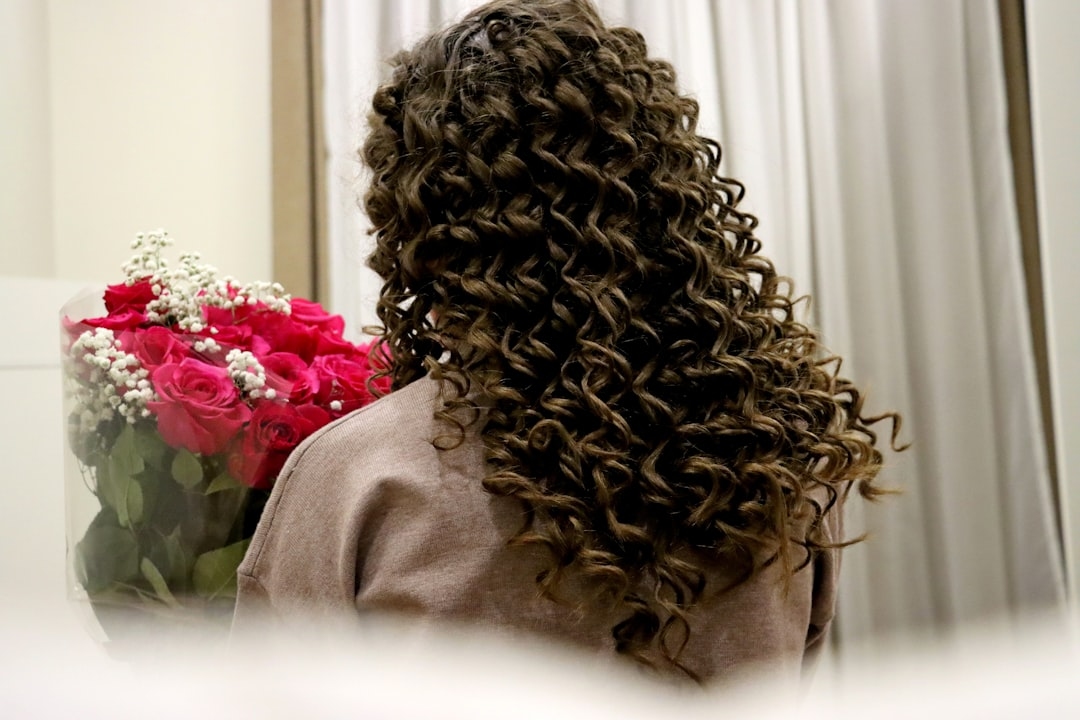
A diffuser is the only heat tool that helps define curls. Unlike regular blow-driers which disrupt curl formation, diffusers distribute heat evenly without directional flow.
After plopping and finger-coiling, use a diffuser attachment on low heat and low speed. Don’t move the diffuser around—place it at the roots and let it sit, moving only when that section feels 50-60% dry. This “praying hands” approach lets curls form and set in the diffuser’s gentle airflow.
Quality diffusers matter. Poor diffusers have large holes that cause directional airflow. Good ones have many small holes providing even distribution. Recommended models: Dyson Supersonic with diffuser attachment (£299, if available), GHD Air Hairdryer with diffuser (£169), or budget option: Tesco’s Tassimo hair dryer with diffuser (£35-45). Even basic diffusers improve results 200% compared to regular drying.
Comparison: Finger Coiling vs. Gel Application
Both methods define curls, but differently. Finger coiling works best for wavy hair becoming curly—it physically shapes waves into curls. Produces softer curls with more movement. Gel application produces stronger hold and crunchier curls, better for already-curly hair. For transforming waves, combining both (finger coiling under light gel) delivers the best results.
What the Pros Know
Professional stylists across Edinburgh, Bristol, and London use what’s called the “moisture layering system.” Rather than relying on one product, they layer lightweight leave-in conditioner (applied to soaking wet hair first), then curl cream, then optional light gel. This creates moisture gradation that defines curls without flaking or crunchiness. Try this: after curl cream, apply 1 tablespoon of SheaMoisture Coconut & Hibiscus Leave-In Conditioner before diffuser drying. The layering technique is revolutionary for waves becoming curls.
Seasonal Styling Adjustments
Humidity levels dramatically affect curl definition. Spring and summer (April-September) bring natural moisture that enhances curls—you might need less product. Autumn and winter (October-March) require extra hydration because indoor heating dries air (and hair). Winter styling: use heavier curl creams and apply leave-in conditioner twice. Summer styling: lighter formulations work beautifully. Pay attention to how your curls respond and adjust products seasonally.
Product Cost Breakdown: Making Waves Curly on a Budget
Monthly cost for basic routine: shampoo (£1.50), conditioner (£1.50), curl cream (£0.50), equals £3.50 monthly for supermarket brands. Adding professional products: shampoo (£3), conditioner (£3), curl cream (£2), equals £8 monthly. Adding specialty products like Kinky-Curly or Function of Beauty: approximately £15-20 monthly. Most people see dramatic results at the £8/month level—premium products provide incremental improvements but aren’t essential for transformation.
Timeline: When Waves Become Curls
First styling session: waves look slightly more defined, less frizzy. By session 3 (approximately 1 week): curl pattern becomes noticeably tighter. By week 4: people comment on your “new curls.” By week 8: curls are fully defined, with shape and bounce that look dramatically different from original waves. This isn’t because hair changed—it’s because hydration and technique allowed your natural curl pattern to finally show itself.
FAQ: Making Wavy Hair Curly Questions
Will making my waves curly damage them?
No. The methods described—hydration, plopping, finger-coiling, and diffuser drying—involve zero heat damage and no chemical processing. You’re working with your hair’s natural structure, not against it. Hair becomes healthier with proper hydration.
How long will curls last after styling?
Curls typically last 2-3 days with the methods described. Day 2 curls often look better than day 1 as they fully settle. By day 4, definition softens. Most people refresh curls every 2-3 days or use overnight methods (pineapple bun, curl refresher spray) to extend them.
Can I make wavy hair permanently curly without chemical treatment?
No. Permanent curl requires chemical processing (perms). However, with proper styling routine, you can make curls look so defined that the difference feels permanent. Many people maintain their waves through styling rather than treatment.
What’s the difference between waves and curls for styling?
Waves need more hydration and product to show definition. Curls are naturally tighter and show definition with minimal products. The methods above essentially give waves what curls naturally have: moisture, product, and proper technique. The line between “curly waves” and “defined curls” is blurred once you optimise technique.
Will the Curly Girl Method work on wavy hair?
Yes, particularly the modified version (which allows some heat, oils, and product flexibility). Strict CG Method can be too restrictive for waves, but CG principles (no sulphates, deep conditioning, plopping, diffusing) transform waves beautifully. Most people adopt 70-80% of CG Method rather than following it perfectly.
Transforming wavy hair into curly hair isn’t about defying nature—it’s about revealing what’s already there. Your waves likely contain curl potential that simply lacks the hydration and technique to show. With patience through four simple steps, those waves can become the defined, bouncy curls you’ve always wanted. Start this week with a single styling session. You’ll see results immediately, and by week 4, transformation is undeniable.