Contents:
- What Are Clip-In Hair Extensions and Why They Work
- Preparing Your Hair for Clip-In Hair Extensions
- The Sectioning Method
- Step-by-Step Guide to Clipping in Hair Extensions
- Position Your First Clip
- Working Upwards Through Sections
- Temple and Side Placements
- Blending and Styling Your Extensions
- Blending Techniques for Seamless Results
- Common Mistakes When Learning How to Clip in Hair Extensions
- Cost Breakdown and Budget Considerations
- What the Pros Know: Insider Tips
- Caring for Your Extensions to Maximise Lifespan
- Frequently Asked Questions
- Moving Forward With Confidence
You’re getting ready for an evening out, and you want your hair to look thick, long, and luminous. The morning blow-dry hasn’t quite delivered what you had in mind. So you reach for your clip-in hair extensions—and suddenly, within five minutes, you’ve transformed your look entirely. This isn’t magic. It’s technique, the right product, and a solid understanding of how to clip in hair extensions properly.
Clip-in hair extensions have become a staple for anyone wanting flexible, damage-free hair enhancement. Unlike permanent methods, they’re removable, reusable, and forgiving if something goes wrong. But getting the application right takes practice, and knowing the subtle tricks separates mediocre results from genuinely impressive ones.
What Are Clip-In Hair Extensions and Why They Work
Clip-in hair extensions are wefts of real or synthetic hair attached to small plastic clips. You secure them to your natural hair using the clips, which grip your hair without permanently bonding or damaging it. The clips use a tooth-and-groove mechanism, similar to a hair clip you’d buy at the supermarket, but engineered to stay secure throughout the day.
Most quality clip-in sets contain between four and eight individual wefts, varying in width. A typical full set weighs between 80 and 120 grams, depending on the hair density and length. Real human hair extensions cost between £150 and £400 per full set in the UK market, whilst synthetic alternatives run £40 to £120. The longevity differs significantly: human hair lasts 6 to 12 months with proper care, whilst synthetic hair typically lasts 3 to 6 months before the fibre becomes matted or frizzy.
The appeal is straightforward. You control whether you wear them. You can remove them in seconds if you need to wash your hair, exercise, or simply want a break. They’re gentler on your natural hair than bonded extensions or regular weaves because they don’t create constant tension on the scalp.
Preparing Your Hair for Clip-In Hair Extensions
Preparation is where most people fail. You can’t just clip extensions into messy, product-heavy hair and expect good results. Start with hair that’s clean but not freshly washed. Freshly washed hair is too slippery; the clips won’t grip reliably. Wash your hair the day before, or use a light texturising spray on the morning of application.
Brush your hair thoroughly to remove all tangles. Use a paddle brush and start from the ends, working upwards in small sections. This matters far more than people realise. A single knot can cause your clip to sit unevenly or slip throughout the day.
Next, create a clear parting line where you’ll place your first clip. This is typically about an inch above the nape of your neck. Use a fine-tooth comb to create a straight line horizontally across the back of your head. The straighter this line, the more secure and invisible your extensions will be.
Backcomb this parting line lightly. You’re not creating dramatic texture—just a gentle surface so the clip teeth have something to grip. Use a regular comb and comb backwards, creating a soft cushion of lifted hair. This is the single most important step in learning how to clip in hair extensions securely.
The Sectioning Method
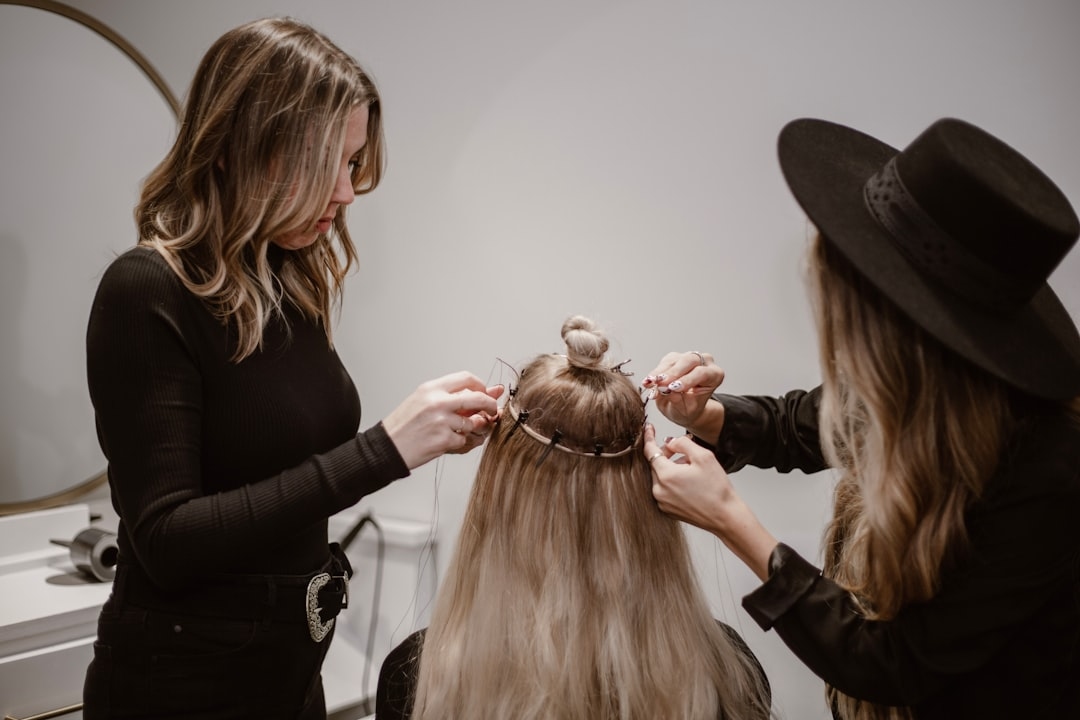
Professional stylists divide the head into sections before clipping. You’ll typically create four to six horizontal sections, depending on your hair thickness and the number of extensions you have. Section off each area with a clip or hair tie, leaving only the section you’re working with exposed. This prevents you from accidentally putting clips in the wrong place and makes the whole process more organised and efficient.
Step-by-Step Guide to Clipping in Hair Extensions
Now for the core technique. The difference between extensions that feel secure and those that shift around all day comes down to precise placement and proper pressure when closing the clips.
Position Your First Clip
Start at the nape of your neck with your lowest clip. Take the clip between your thumb and forefinger, with the clip teeth facing downwards. Open the clip fully and position it against your backcombed parting line. The teeth should grip directly into the lifted hair, not on top of it. Close the clip with steady, firm pressure. You should hear a small click—that’s the grip teeth locking into place.
A common mistake is closing the clip too gently. It needs genuine pressure to lock securely. Your finger will feel the resistance; that’s when you know it’s caught properly. If it feels loose or shifts when you give it a gentle tug, reopen it and reposition.
Working Upwards Through Sections
After securing your first clip, release the next section above it. Create another horizontal parting line about an inch above the first, and repeat the backcombing and clipping process. Most full sets require clips at the nape, mid-back, upper back, and sometimes near the crown, depending on density preferences.
Each clip should be positioned directly against the parting line, not overlapping with the previous one. Space matters for security and comfort. If clips are too close together, they’ll create pressure points and won’t grip effectively. If they’re too far apart, your extensions will move independently from your natural hair.
Temple and Side Placements
Smaller clips go at your temples if your set includes them. These are crucial for blending. Position a temple clip on each side, about an inch back from your hairline. Make sure these clips are at the same height on both sides—asymmetrical placement is immediately visible.
For longer hair or thicker textures, you might also clip one small extension on the underside of your hair at each ear, just behind the hairline. This creates seamless blending when you move or style your hair away from your face.
Blending and Styling Your Extensions
Once your extensions are clipped in, blending is essential. Your natural hair should flow seamlessly over and through the extensions, hiding the clips completely. This is why placement matters so much—clips hidden under layers of your own hair are invisible.
Gently brush through your hair, starting at the ends and working upwards. Use a soft paddle brush or a wide-tooth comb. Be careful around the clips; you’re not trying to dislodge them, just ensure all your natural hair is lying smoothly over them.
Next, style as you normally would. Clip-in extensions respond well to heat styling. You can curl them, straighten them, or blow-dry them into waves. If your extensions are human hair, treat them like your own—they’ll hold style beautifully. Synthetic extensions are less versatile; high heat can damage them, so use a lower temperature if your set is synthetic.
Blending Techniques for Seamless Results
Professional stylists use a few blending tricks. First, they layer your natural hair over the extensions strategically. If you have shoulder-length natural hair, you might clip in extensions that start below your shoulder, so your natural length covers the clips. This is why understanding your natural hair length is critical when buying extensions.
Second, they match texture carefully. If your natural hair is wavy, straight extensions will look obvious. Many people invest in textured extensions that match their natural wave pattern, even if it costs slightly more.
Third, they use colour strategically. Balayage or highlights in your natural hair help break up the line between your own hair and extensions. This is subtle but genuinely transforms how natural the overall look appears.
Common Mistakes When Learning How to Clip in Hair Extensions
Even with good instructions, people make predictable errors. Understanding these helps you avoid them.
Skipping the Backcomb: Clips slip on smooth hair. Period. Don’t skip this step, no matter how your natural hair texture looks. Even fine, slippery hair needs backcombing.
Clipping Into Dry Product: Product buildup from dry shampoo or styling products reduces grip. Wash your hair or use a clarifying spray before extending.
Placing Clips Too Close to Your Scalp: This creates tension and discomfort. Clips should sit about an inch below your parting line, giving your scalp breathing room.
Not Checking Both Sides: Stand with the mirror positioned so you can see the back of your head with a hand mirror. Asymmetrical clipping is incredibly common and immediately noticeable.
Wearing Extensions for Too Long Without a Break: Even though clip-ins are gentler than permanent extensions, wearing them continuously for weeks causes breakage. Give your hair a break every few days.
Cost Breakdown and Budget Considerations
Here’s what you’ll actually spend to wear clip-in hair extensions regularly:
- Full human hair set: £180–£350 (lasts 8–12 months with care)
- Full synthetic set: £60–£110 (lasts 3–6 months)
- Specialist shampoo and conditioner: £15–£30 per bottle (essential for longevity)
- Gentle brush or extension comb: £8–£20
- Hair mask or treatment: £12–£25 per tub
If you wear extensions three times weekly, a quality human hair set costs roughly £0.50–£0.80 per wear over its lifetime. Professional installation (if you choose that route) runs £30–£60 and isn’t necessary once you’ve learned the technique, but many people use it for special events where they want absolute perfection.
Budget-conscious users often buy two synthetic sets and rotate them, allowing one to dry fully whilst wearing the other. This doubles their lifespan to 6–12 months and costs only £120–£220 total for a year’s worth of extensions.
What the Pros Know: Insider Tips
Professional stylists who fit extensions daily use subtle techniques that transform results. They invest in a heatless curling method before wearing extensions, because clip-ins show off curled texture beautifully. They also place a small piece of medical tape on the back of each clip, which eliminates the small clicking sound some clips make when you move. They’re meticulous about matching extension colour to natural roots, often blending two slightly different shades to avoid a harsh line as your hair grows. Most importantly, they understand that clip-in extensions are a styling tool, not a permanent solution, so they use them strategically—for events, photoshoots, or occasions where the effort of clipping in is justified.
Caring for Your Extensions to Maximise Lifespan
Extension care directly determines whether you get three months or twelve months from your set.
Wash extensions only when necessary, ideally once every five to seven wears. Use cool or lukewarm water—hot water opens the cuticle and causes frizz. Apply shampoo to the lengths and ends, never the clip or weft area. For conditioner, focus on the mid-lengths to ends; conditioning the weft can weaken the adhesive glue over time.
Dry extensions by gently patting with a microfibre towel, then air-dry horizontally on a clean cloth. Never hang wet extensions vertically; gravity pulls on the weft and stresses the clips. Brush only when completely dry, using a wide-tooth comb or specialist extension brush. Brushing wet hair—even real hair—causes breakage.
Store extensions in a cool, dry place away from direct sunlight. Many people keep them in their original packaging or a silk pouch. Never store them while damp or still attached to clips after sweating, as moisture and heat accelerate deterioration.
Frequently Asked Questions
How long does it take to learn how to clip in hair extensions properly?
Most people can clip in extensions competently within three to five applications. The first time takes 15–20 minutes; with practice, you’ll do it in 5–8 minutes. Genuinely seamless, professional-looking results typically take 10–15 applications as you refine placement and blending.
Can I sleep in clip-in hair extensions?
Yes, but it’s not ideal. Sleeping in extensions causes friction and tangling. If you do sleep in them, braid your hair loosely to reduce movement. For nightly wear, removable extensions cause less damage than waking up and removing them repeatedly. Most experts recommend removing them before sleep on regular days and wearing them only for occasions that justify the extra wear.
Will clip-in extensions damage my natural hair?
Not if applied and cared for properly. Clips don’t create permanent tension like bonded extensions. The main risk is breakage from friction if clips are placed too close to the scalp or if you brush extensions roughly whilst wet. Use proper technique and care, and clip-ins are genuinely safe for regular use.
How do I prevent my extensions from slipping?
Backcomb thoroughly, close clips with firm pressure until you hear a click, ensure parting lines are straight and clean, and check placement in a hand mirror. If clips slip despite these steps, your hair may be too silky or product-laden. Try a texturising spray or clarifying wash before your next application.
What’s the difference between human and synthetic clip-in extensions?
Human hair is real hair, so it behaves like your own—you can heat style, dye, and blend it naturally. It costs more but lasts twice as long. Synthetic hair is cheaper and heavier, giving thicker coverage, but it’s less versatile and matts more easily. Choose human hair if you want flexibility; choose synthetic if you want density on a budget.
Moving Forward With Confidence
Mastering how to clip in hair extensions opens up styling possibilities most people don’t realise they have. You’re not permanently changing your hair; you’re adding tools to your styling toolkit. Your first attempt might feel fiddly. Your second will be smoother. By your tenth application, it becomes automatic.
The real game-changer is understanding that technique matters more than product cost. A £150 human hair set clipped in poorly looks worse than a £80 set applied with precision. Start with the fundamentals: perfect backcombing, straight parting lines, firm clip closure, and thoughtful blending. These form the foundation. Everything else—styling, colour matching, texture selection—builds on that foundation.
If you’re considering extensions but hesitant about the learning curve, remember that thousands of people now clip in their own extensions successfully. The technique is learnable, not mystical. Give yourself permission to practise, and expect your results to improve noticeably within a handful of applications.