Contents:
- Understanding Why Your Hair Gets Dry
- The Most Common Causes of Dry Hair
- Chemical Treatments and Heat Damage
- Harsh Shampoos and Improper Cleansing
- Environmental and Seasonal Factors
- Nutritional Deficiencies and Internal Health
- Genetics and Hair Porosity
- Practical Steps to Fix Dry Hair Right Now
- Choose the Right Shampoo and Conditioner
- Adjust Your Washing Routine
- Protect Hair from Heat Damage
- Deep Conditioning Treatments and Oils
- Seasonal Hair Care Timeline for the UK Climate
- Nutritional and Lifestyle Changes
- When to Seek Professional Help
- FAQ: Your Dry Hair Questions Answered
- How long does it take to fix dry hair?
- Is dry hair permanent or reversible?
- Can I use oils on fine or thin dry hair without making it greasy?
- What’s the difference between dry hair and damaged hair?
- Should I get a hair cut if my hair is very dry?
- Your Path Forward
Dull, brittle, straw-like strands staring back at you in the mirror. If you’re asking yourself “why is my hair so dry?”, you’re far from alone—this is one of the most common hair complaints we hear from clients across the UK. Dry hair doesn’t just look lifeless; it’s a sign that your strands are desperately thirsty for moisture and care. The frustration is real, but the good news? Understanding what’s causing the problem is the first step toward fixing it.
The journey from parched, damaged locks to soft, bouncy hair is entirely possible. Hair dryness isn’t something you’re doomed to accept—it’s a condition with identifiable causes and practical solutions. This guide will walk you through every reason your hair might be dry, from internal factors you can control to external environmental stressors, and most importantly, what you can do about it right now.
Understanding Why Your Hair Gets Dry
Healthy hair contains moisture that sits within the hair shaft itself. When this internal moisture balance is disrupted, your strands become brittle, prone to breakage, and visibly dull. The reason your hair is dry often comes down to one or more of three primary factors: insufficient moisture reaching the hair, excessive moisture loss, or a combination of both working against you.
Your hair’s outer layer—the cuticle—acts like roof shingles protecting the moisture inside. When these cuticles lie flat and smooth, moisture stays trapped inside, keeping your hair healthy and glossy. When they’re lifted, rough, or damaged, moisture escapes rapidly. This is why damage often makes dryness worse: the more compromised your hair’s structure, the less able it is to retain water.
According to Dr. James Mitchell, a trichologist based in Manchester with over 15 years of experience treating hair disorders, “Dry hair is fundamentally a hydration issue. The hair shaft can only hold moisture up to a certain capacity—about 13% of its weight. Once external conditions or internal damage prevents proper hydration, you get that characteristic dull, brittle appearance. The good news is that once you understand the mechanism, you can address it systematically.”
The Most Common Causes of Dry Hair
Chemical Treatments and Heat Damage
Colour treatments, perming, straightening, and bleaching literally change the structure of your hair. These processes strip away protective proteins and natural oils, leaving the hair shaft more porous and unable to retain moisture effectively. Each chemical treatment you have increases the likelihood of dryness.
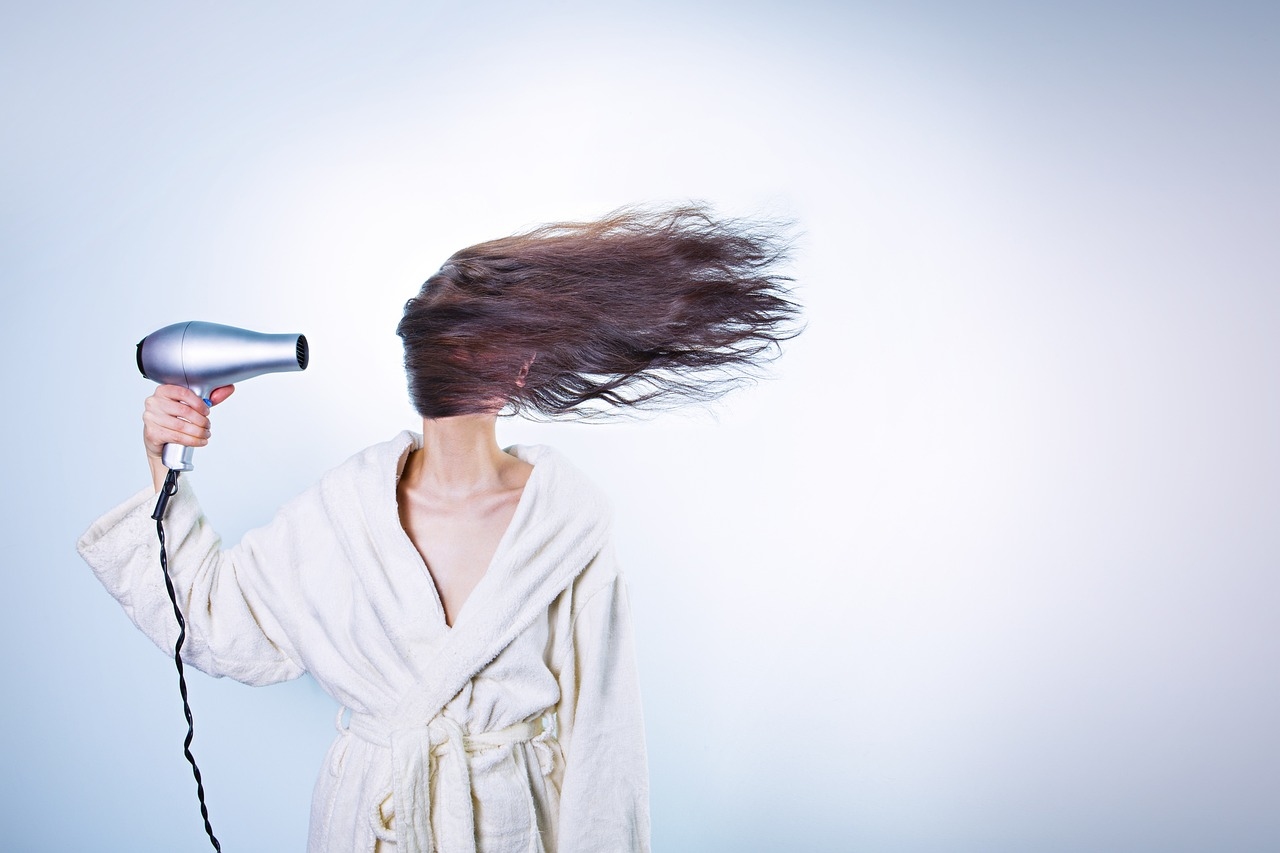
Heat styling compounds the problem. Hairdryers, straighteners, and curling irons operating at temperatures between 200-450°F can evaporate the water inside your hair shaft. A study by the British Association of Dermatologists found that regular heat styling without proper protection increases dryness severity by an average of 40% within 12 weeks.
The cumulative effect matters. Someone who colours their hair every four weeks whilst also blow-drying daily and using a straightener three times weekly is stacking multiple drying factors on top of each other. Each one independently damages the cuticle; together, they create severely compromised, chronically dry hair.
Harsh Shampoos and Improper Cleansing
Your shampoo is either feeding your dryness problem or helping solve it. Conventional shampoos containing sulfates (sodium lauryl sulfate and sodium laureth sulfate) work by stripping everything from your hair—oil, dirt, colour, and moisture alike. For dry hair, this is disastrous.
Sulfates break down the natural oils your scalp produces (called sebum), which provide essential lubrication and moisture to your strands. When you strip these away daily with harsh shampoo, your scalp eventually stops producing enough oil to compensate, and your hair becomes progressively drier.
Additionally, how often you wash matters enormously. Washing daily is one of the quickest ways to guarantee persistently dry hair. Your natural oils need time to distribute down the hair shaft—typically 48-72 hours. Washing every day prevents this distribution and continuously strips the oils away before they can do their job.
Environmental and Seasonal Factors
The time of year significantly impacts your hair’s moisture levels. During winter (November through February in the UK), heating systems indoors create extremely dry air with humidity levels often dropping to 20-30%, compared to the 40-50% humidity your hair prefers. This environmental dryness pulls moisture directly from your strands.
Summer presents different challenges. UV rays penetrate the hair shaft, breaking down proteins and degrading the cuticle structure. Additionally, chlorine in swimming pools strips protective oils and can even bleach hair. Sea salt in ocean water is similarly drying and damaging.
Central heating, air conditioning, and winter weather are particular culprits in the UK climate. The constant switch between heated indoor environments and cold, dry outdoor air stresses your hair throughout the winter season, causing visible dryness and increased breakage from December through March.
Nutritional Deficiencies and Internal Health
Hair quality directly reflects your nutritional status. Your hair is made primarily of a protein called keratin, which requires specific amino acids, vitamins, and minerals to be built and maintained properly.
Iron deficiency, particularly common in women, can cause hair to become dry and brittle. Similarly, insufficient protein intake, low zinc levels, and deficiencies in B vitamins all manifest as poor hair quality. Thyroid dysfunction and hormonal imbalances frequently cause sudden changes in hair texture, including increased dryness.
Dehydration—not drinking enough water—also plays a role. While hair doesn’t directly absorb water you drink, chronic dehydration affects your entire body’s ability to maintain moisture balance, including in your hair and skin. Aim for at least 8-10 glasses (2-2.5 litres) of water daily, more if you exercise or live in a dry climate.
Genetics and Hair Porosity
Some people are simply born with naturally drier hair. If your parents or siblings experienced chronic dryness, you’re more likely to as well. This comes down to hair porosity—how easily your hair absorbs and retains moisture.
Low porosity hair (typically finer, denser hair that feels smooth) struggles to absorb moisture and can seem perpetually dry despite numerous treatments. High porosity hair (typically curly or damaged hair) absorbs moisture easily but can’t retain it, leading to quick drying between treatments.
Understanding your hair’s porosity helps you select the right treatments. A simple test: drop a strand of clean hair into a glass of water. If it sinks immediately, you have high porosity. If it floats for a while before sinking, you have low porosity. If it hovers in the middle, you have normal porosity.
Practical Steps to Fix Dry Hair Right Now
Choose the Right Shampoo and Conditioner
Switch to a sulphate-free shampoo immediately. These gentler formulas cleanse without stripping essential oils. Look for shampoos containing hydrating ingredients like glycerin, hyaluronic acid, or ceramides. Expect to pay £8-15 for a quality sulphate-free shampoo, but the investment pays off in measurably better hair condition within 2-3 weeks.
Equally important is using a proper conditioner—and using enough of it. Many people skimp on conditioner, assuming a small squirt will suffice. For dry hair, coat the bottom two-thirds of your hair generously with conditioner, leave it on for at least 3-5 minutes, then rinse thoroughly. Some conditioners benefit from leaving them on for 10+ minutes or even overnight.
Consider a weekly deep conditioning treatment. Masks and intensive treatments penetrate deeper than daily conditioner and provide concentrated moisture. Products with argan oil, coconut oil, shea butter, or keratin can transform dry hair condition noticeably within 3-4 applications.
Adjust Your Washing Routine
Reduce washing frequency to every 2-3 days if possible. Your scalp will adjust within 1-2 weeks, producing optimal amounts of natural oil. If you feel you must wash more frequently, use dry shampoo on non-wash days to absorb excess oil without stripping moisture from your hair.
When you do wash, use lukewarm or cool water rather than hot water. Hot water opens the hair cuticle more aggressively and increases moisture evaporation. Ending your wash with a cool rinse helps seal the cuticle closed, trapping moisture inside.
Minimise shampooing just your lengths. Use shampoo primarily on your scalp where oil naturally accumulates, then let the shampoo rinse down through the lengths. This approach cleanses thoroughly whilst protecting the dryer ends of your hair from excessive stripping.
Protect Hair from Heat Damage
If you use heat styling tools, always apply a heat protectant spray or serum first. These create a barrier around the hair shaft, reducing moisture loss by up to 70%. Quality heat protectants cost £6-12 and are non-negotiable for anyone regularly using heat tools on dry hair.
Lower your tool temperatures. Many people set their hair dryer to maximum heat or straightener to 400°F because they assume higher heat works faster. In reality, moderately lower temperatures—around 350°F for straighteners and medium heat for blow dryers—damage hair less while still delivering excellent results. The styling simply takes a couple of minutes longer.
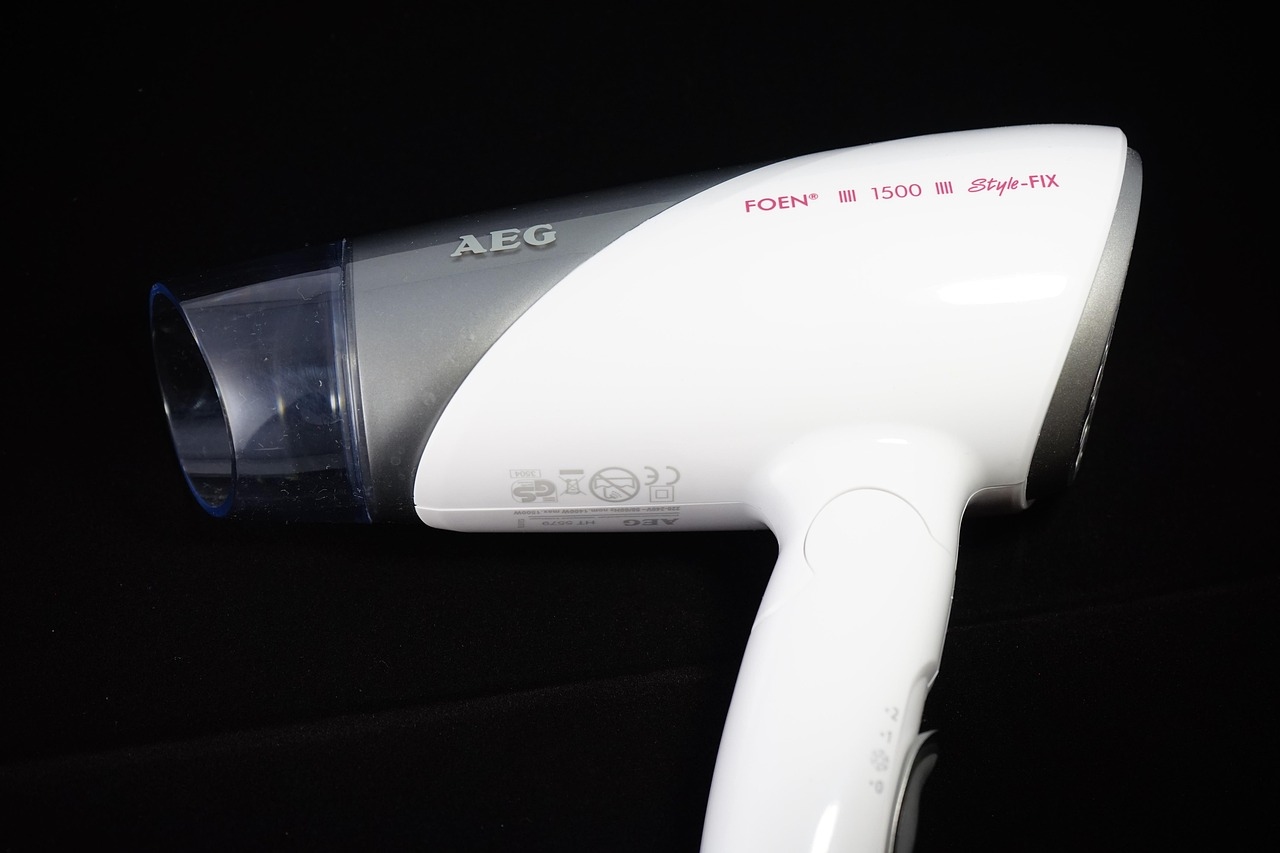
Reduce heat styling frequency where possible. Even with protectant products, heat accumulates damage over time. Consider air-drying your hair more often, using heatless styling methods like braids for waves, or spacing out straightening sessions from daily to just 2-3 times weekly. This single change often produces the most dramatic improvement in dry hair.
Deep Conditioning Treatments and Oils
Weekly (or bi-weekly) intensive conditioning is essential for dry hair. Coconut oil, argan oil, and jojoba oil penetrate the hair shaft effectively and provide significant moisture and shine improvements. Apply these oils to damp hair (not soaking wet—excess water prevents oil penetration), concentrate on the mid-lengths and ends, leave for 15-30 minutes, then shampoo out completely.
Hair masks designed for dry hair are particularly effective. Look for products containing hydrating ingredients like hyaluronic acid, keratin, or moisture-rich butters. Apply generously, let sit for the recommended time (usually 10-20 minutes), then rinse. One £12-18 mask can be used 4-5 times, making it cost-effective whilst delivering visible results.
Don’t overlook scalp health. A dry scalp often leads to dry hair. Use scalp oils or treatments designed to restore moisture balance at the roots. A healthy, hydrated scalp produces better quality oil that benefits your entire hair length.
Seasonal Hair Care Timeline for the UK Climate
Your hair’s needs shift throughout the year. Building a seasonal strategy prevents chronic dryness from worsening during vulnerable periods.
Winter (November-February): This is peak dryness season due to heating systems and cold outdoor air. Increase deep conditioning to twice weekly. Use hydrating leave-in conditioners. Minimise heat styling. Switch to a richer moisturising shampoo and conditioner. Avoid swimming in chlorinated pools as much as possible—chlorine bonds to dry hair especially readily.
Spring (March-May): As humidity increases, you can slightly reduce intensive conditioning frequency to once weekly. Begin introducing UV protection products as sun exposure increases. This is an ideal time to trim away winter damage before summer.
Summer (June-August): UV rays are strongest. Always use hair products containing UV filters when spending time outdoors. Chlorine protection is critical—rinse hair with fresh water before swimming and apply leave-in conditioner beforehand to create a protective barrier. Salt water from ocean swimming is drying; rinse thoroughly afterward. Reduce heavy oils (which can feel greasy in heat) but maintain regular conditioning.
Autumn (September-October): Begin preparing for winter dryness. Reintroduce heavier conditioning treatments. Have a trim to remove summer damage. Evaluate your heating situation at home—ensure heating systems aren’t set excessively high before winter kicks in.
Nutritional and Lifestyle Changes
Addressing dry hair from the inside is as important as external treatments. Hair growth and quality is determined significantly by your nutrition and overall health.
Protein intake is fundamental—your hair is essentially a protein structure. Aim for 50-60 grams of protein daily from sources like chicken, fish, eggs, legumes, and dairy. If you don’t achieve this through food, a simple protein powder added to breakfast smoothies is effective.
Biotin supplementation shows measurable benefits for hair strength and hydration. Studies show that 2.5mg of biotin daily improves hair texture and reduces brittleness. You’ll notice changes within 2-3 months of consistent supplementation. A month’s supply costs £5-10.
Iron levels matter, especially for women. If you experience fatigue alongside dry hair, ask your GP for a simple blood test to check your iron status. Iron deficiency anaemia is easily corrected and often dramatically improves hair quality.
Reduce stress where possible. Chronic stress triggers inflammatory responses and hormonal imbalances that negatively affect hair quality. Even 10-15 minutes of daily meditation, exercise, or relaxation noticeably improves hair condition within 4-6 weeks.
When to Seek Professional Help
Persistent dryness despite home treatments might indicate an underlying condition. Consult a trichologist if you experience:
- Dryness that worsens despite following these recommendations for 6-8 weeks
- Sudden changes in hair texture or moisture levels (particularly with fatigue or weight changes)
- Scalp conditions like flaking, itching, or irritation accompanying the dryness
- Hair loss alongside dryness
- Dryness concentrated on one area of your head rather than throughout
A trichologist can identify underlying health conditions—thyroid dysfunction, nutritional deficiencies, hormonal imbalances—that might be driving your dryness. Costs typically range from £75-150 for a consultation, with additional testing if needed.
Professional treatments like keratin treatments, bonding treatments, or moisture infusion therapies can help severely compromised hair. These cost £100-300+ but can provide temporary dramatic improvements whilst you work on fixing underlying causes.
FAQ: Your Dry Hair Questions Answered
How long does it take to fix dry hair?
The timeline depends on severity. Fine damage from insufficient conditioning typically improves within 2-4 weeks of proper conditioning. Significant damage from chemical treatments or heat styling requires 6-12 weeks of consistent care to see substantial improvement. Hair growing healthily from the roots outward means you won’t see complete “fixing” until damaged hair grows out (typically 4-6 inches per year in the UK). Patience combined with consistent effort yields the best results.
Is dry hair permanent or reversible?
Dry hair from external damage (improper products, heat, chemicals) is entirely reversible through proper care. Hair that’s already grown out and damaged cannot be “repaired” at the cellular level—the damage is permanent in those strands. However, new hair growing from your scalp can be perfectly healthy and hydrated. Trimming damaged ends whilst growing new healthy hair is the most effective strategy.
Can I use oils on fine or thin dry hair without making it greasy?
Yes, with technique. Use oils only on damp (not wet) hair, concentrate application on the bottom two-thirds of your hair lengths, avoid oils near the scalp, and shampoo thoroughly after 15-30 minutes. Lightweight oils like jojoba or argan work better on fine hair than heavier coconut oil. Start with small quantities and increase gradually as you learn what your hair tolerates.
What’s the difference between dry hair and damaged hair?
Dry hair lacks moisture but may have intact structure. Damaged hair has compromised protein structure, cuticle damage, and often includes dryness as a symptom. All damaged hair appears dry, but not all dry hair is damaged—sometimes it simply needs proper hydration. A good conditioner can improve dryness temporarily; truly damaged hair requires growth replacement.
Should I get a hair cut if my hair is very dry?
Yes, especially if ends are split or brittle. Dry, damaged ends don’t improve with conditioning alone—they split further up the hair shaft if left uncut. Get a trim every 6-8 weeks to remove damaged ends. Once you’ve established proper care and new healthy hair has grown in, you can extend trims to every 10-12 weeks.
Your Path Forward
Dry hair isn’t a life sentence—it’s a condition with identifiable causes and proven solutions. Whether your dryness stems from chemical damage, harsh products, environmental stress, or internal health factors, the pathway forward is clear: identify the cause, eliminate the damaging factor, and consistently nourish your hair with proper products and treatments.
The changes that work best are rarely the most dramatic ones. Simply switching to a sulphate-free shampoo, reducing wash frequency to every 2-3 days, and adding a weekly deep conditioning treatment transforms dry hair for most people within 3-4 weeks. These changes cost minimal money and require minimal effort—they’re genuinely sustainable long-term habits rather than complicated regimens you’ll abandon.
Start with whichever factor you know is most problematic for your hair—whether that’s heat styling, harsh shampoo, or seasonal winter dryness—and address that first. Once you’ve tackled the primary cause, layer in additional solutions. Build your routine gradually rather than overhauling everything at once. Sustainable improvement comes from consistent, manageable changes that become automatic.
Track your progress with monthly photos in consistent lighting. Hair improvements can be subtle week-to-week but dramatic month-to-month. Within 2-3 months of addressing the root cause and providing consistent moisture, you’ll have noticeably shinier, softer, healthier-looking hair. The dry, brittle strands looking back at you in the mirror will transform into the shiny, hydrated hair you deserve.